Chinese dissident artist faces trial over Mao themed sculptures as cultural expression case draws scrutiny
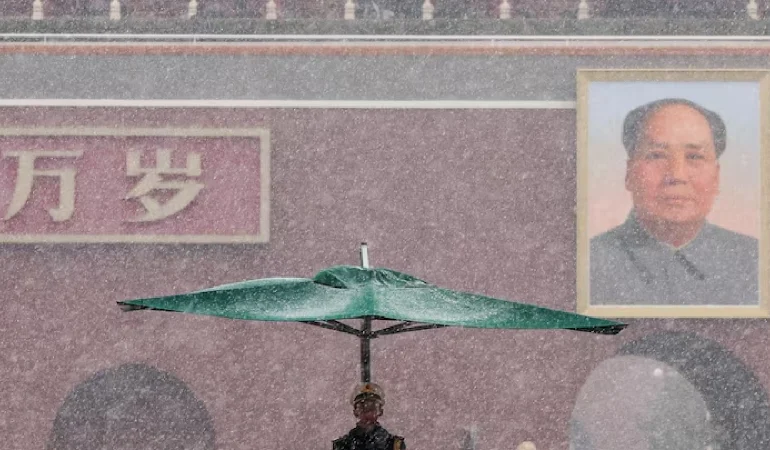
Chinese artist Gao Zhen has been placed on trial in northern China over allegations of defaming national heroes, in a case that has drawn attention from international observers and rights organizations. The proceedings were held behind closed doors at a court in Hebei province and concluded without an immediate verdict. Authorities have not publicly detailed the charges beyond references to laws protecting historical figures, while the case has raised broader questions about artistic expression and legal boundaries in China’s cultural landscape.
The trial stems from a series of satirical sculptures created by Gao that reinterpret the image of former Chinese leader Mao Zedong. These works, produced in collaboration with his brother, include pieces that critically examine historical events such as the Cultural Revolution. According to individuals familiar with the case, the charges relate to artworks created more than a decade ago, predating the implementation of China’s law on the protection of heroes and martyrs. The artist, who has spent time living abroad, was detained during a visit to China in 2024 and has remained in custody since.
Family members and advocacy groups have expressed concern over the conditions surrounding the trial and the artist’s health. Reports indicate that close relatives were not permitted to attend the hearing, while access to communication has been limited. The artist is said to be dealing with ongoing medical issues, including chronic conditions that require treatment. Legal representatives have indicated that verdicts in similar cases are often announced weeks or months after proceedings conclude, leaving uncertainty around the outcome.
The case has also attracted attention from international diplomatic representatives, with some officials reportedly seeking to observe the trial but being unable to gain entry. Advocacy organizations argue that the charges reflect a broader pattern of enforcement under laws designed to protect historical narratives and national symbols. These laws have been used in recent years in a range of cases involving public commentary, online expression and cultural content, particularly when references are made to politically sensitive figures or events.
China’s legal framework governing historical representation has evolved significantly in recent years, with stricter provisions introduced to regulate how national history and prominent figures are portrayed. The law cited in Gao’s case has previously been applied to individuals accused of making remarks or producing content deemed disrespectful toward military personnel or historical icons. Critics argue that its scope can extend beyond direct statements to include artistic interpretations, raising concerns about the balance between cultural expression and legal compliance.
The artworks at the center of the case are part of a broader body of contemporary Chinese art that engages with historical memory and political themes. Pieces such as stylized reinterpretations of Mao’s image have been exhibited internationally and have sparked debate about how history is represented in modern creative work. Supporters view such works as legitimate artistic commentary, while authorities have taken a stricter approach in cases where interpretations are seen as crossing legal or political boundaries.
As the case continues, attention is expected to remain focused on how the legal process unfolds and whether it sets any precedent for similar cases involving artistic expression. The outcome may also influence how artists navigate sensitive historical subjects within China’s regulatory environment. With no verdict yet announced, the situation remains under close observation by legal experts, cultural commentators and international stakeholders monitoring developments in China’s cultural and legal space.