Chinese container ships exit Strait of Hormuz as conflict risks continue to disrupt global trade routes
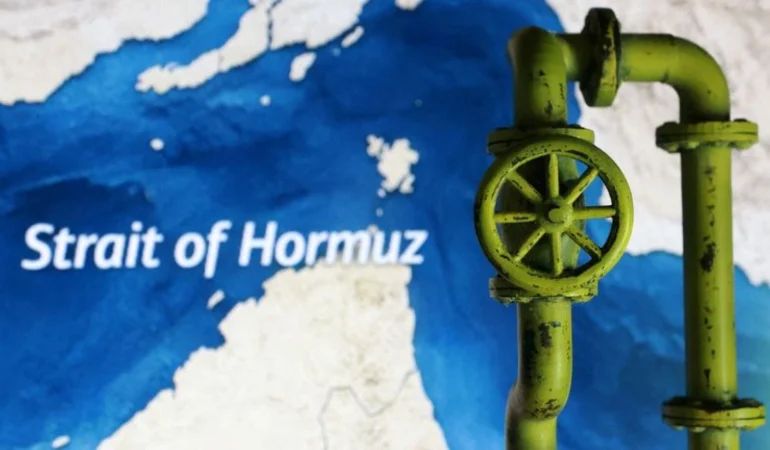
Two container vessels operated by COSCO have successfully passed through the Strait of Hormuz after a second attempt, signaling a cautious return of commercial shipping activity in one of the world’s most critical energy and trade corridors. The ships had previously turned back amid heightened security risks linked to the ongoing regional conflict but managed to transit the strait and enter open waters on Monday. The development marks one of the first confirmed movements of non Iranian container vessels leaving the Gulf since tensions escalated, offering a tentative sign of recovery in maritime flows.
Ship tracking data indicated that the vessels moved in close formation and at elevated speeds as they navigated the narrow waterway toward the Gulf of Oman. The Strait of Hormuz has faced severe disruption since the outbreak of hostilities, with threats to shipping forcing many operators to suspend routes or delay departures. The successful passage of the Chinese ships highlights the complex risk calculations being made by shipping companies as they attempt to resume operations while managing safety concerns for vessels and crew.
The disruption in the strait has had far reaching implications for global trade, particularly for energy markets that rely heavily on shipments passing through the region. Oil and liquefied natural gas exports from key producers have been significantly affected, contributing to supply uncertainty and price volatility. The limited number of vessels managing to transit the route underscores the continued risks, even as some operators begin to test conditions for reopening shipping lanes.
Maritime analysts have noted that the vessels’ successful crossing represents an important data point for assessing whether traffic through the strait is gradually normalizing. However, the situation remains highly unstable, with ongoing threats including missile attacks, drones and potential hazards such as floating mines. Shipping companies have adopted various strategies to reduce exposure, including altering routes, minimizing visibility and coordinating movements more carefully when attempting to pass through high risk areas.
The broader geopolitical context continues to shape shipping activity in the region, with the conflict affecting not only commercial trade but also energy security and global supply chains. Countries dependent on imports are closely monitoring developments, as prolonged disruption could lead to higher costs and logistical challenges. The movement of additional vessels, including tankers carrying crude oil and liquefied petroleum gas, suggests that some operators are cautiously resuming transit despite the risks.
China’s role in global shipping and trade adds further significance to the movement of COSCO operated vessels, as the country remains a major participant in international logistics networks. The ability of Chinese ships to navigate through the strait may influence broader market confidence and encourage other operators to reassess conditions. At the same time, continued uncertainty means that any recovery in shipping activity is likely to remain gradual and uneven.
Recent movements of tankers from other operators, including vessels transporting energy supplies to Asia, indicate that limited traffic is beginning to reappear in the region. However, analysts caution that a full normalization of shipping flows will depend on improvements in regional security and clearer assurances for vessel safety. As the situation evolves, the Strait of Hormuz remains a focal point for global trade, with developments closely watched by governments, shipping companies and energy markets alike.