China accelerates EV adoption as Canada opens market to Chinese electric vehicles and technology
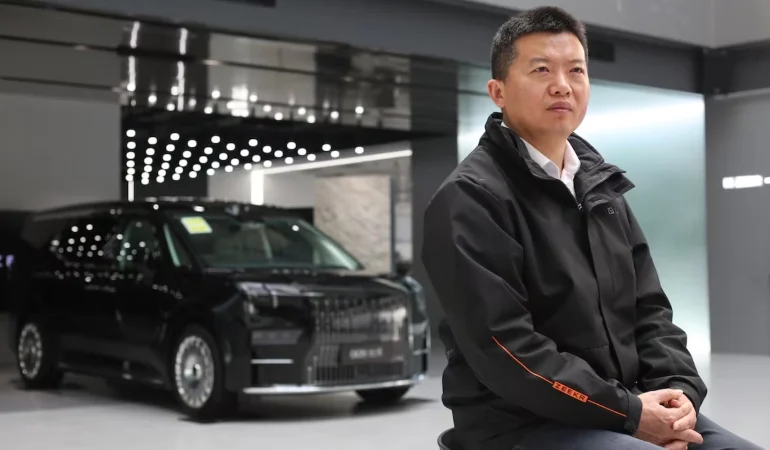
China’s electric vehicle ecosystem is rapidly scaling both production and adoption, offering a glimpse into a highly integrated model that is now beginning to extend beyond its borders as Canada prepares to allow Chinese made EVs into its market. A new trade arrangement will see around 49,000 Chinese vehicles enter Canada at reduced tariffs, marking a shift in North American access to China’s EV technology. The move comes as China strengthens its position as the world’s largest EV producer, accounting for roughly 70 percent of global output, supported by a deeply coordinated manufacturing and infrastructure network.
At the center of this expansion is a highly automated production system that has transformed efficiency and cost structures across the industry. Facilities such as Zeekr’s advanced manufacturing plant in Ningbo operate with minimal human intervention, where robots handle most assembly processes and output can reach hundreds of thousands of vehicles annually. Automation has significantly reduced production costs while maintaining high quality standards, allowing Chinese automakers to scale quickly and compete aggressively in global markets. This industrial model is becoming a defining advantage as EV demand grows worldwide.
China’s success in EV adoption is also driven by a comprehensive infrastructure ecosystem that supports widespread usage. Battery swapping technology, pioneered by companies like NIO, enables drivers to replace depleted batteries in minutes, offering a faster alternative to traditional charging. At the same time, large scale charging networks operated by firms such as TELD have deployed hundreds of thousands of terminals nationwide. This combination of charging and swapping infrastructure has created a seamless user experience that encourages adoption and reduces range anxiety among consumers.
Government support has played a crucial role in accelerating this ecosystem, with substantial subsidies and policy incentives driving both manufacturing and consumer uptake over the past decade. Electric vehicles now account for a significant share of new car purchases in China, reflecting a structural shift in the automotive market. At the same time, Chinese automakers are expanding internationally, targeting regions such as Europe, Asia and increasingly North America, where new trade dynamics are creating opportunities despite ongoing political and economic tensions.
The potential entry of Chinese EVs into Canada highlights both opportunities and concerns for the global automotive industry. While increased competition could drive innovation and lower prices for consumers, it also raises questions about the impact on domestic manufacturers and data security. Industry observers note that even a limited number of imports could have broader implications, serving as a test case for how Chinese EV brands navigate regulatory environments in developed markets. As global EV competition intensifies, China’s integrated approach to manufacturing, infrastructure and policy continues to shape the future of the automotive sector.