Why China Is Supporting Nuclear Fuel Rod Production and Mineral Processing in Namibia
China is expanding its strategic economic engagement in Africa by supporting Namibia in developing domestic capacity for processing critical minerals, including uranium used in nuclear energy. The initiative reflects a broader shift in cooperation between the two countries, moving beyond raw material extraction toward industrial upgrading and value-added production.
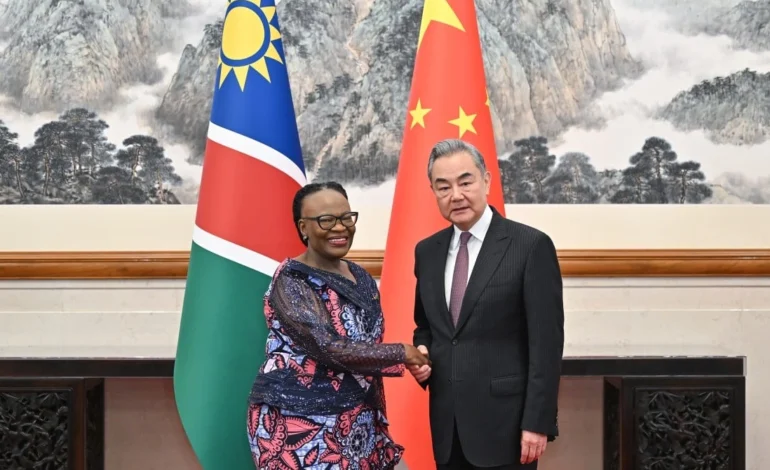
The discussions took place during a high-level meeting in Beijing between Chinese Foreign Minister Wang Yi and Namibian Foreign Minister Selma Ashipala-Musavyi. Both sides agreed on expanding cooperation in mineral development, with a focus on building local processing infrastructure that can transform raw exports into refined products within Namibia.
For decades, Namibia has primarily exported unprocessed minerals, including uranium, lithium, and cobalt, leaving much of the value-added production to foreign markets. Under the new framework, China has pledged support for developing domestic industrial capacity, which could allow Namibia to refine and process these resources locally. This shift is intended to strengthen Namibia’s position in global supply chains for critical minerals.
A key focus of the cooperation is uranium, which plays an essential role in nuclear energy production. As global demand for clean and stable energy sources increases, uranium has become a strategically important resource. By supporting local processing, China aims to contribute to a more integrated mineral value chain in Namibia while also securing more stable access to essential raw materials.
The partnership also reflects China’s wider economic strategy in resource rich regions, where investment is increasingly directed toward infrastructure, industrial development, and downstream processing. For Namibia, the initiative is seen as an opportunity to diversify its economy, create skilled jobs, and reduce dependence on raw exports, although it also raises broader questions about long term resource governance and industrial control.