China tariff cuts on African goods, gap persists
Analyzing China’s Latest Tariff Reductions
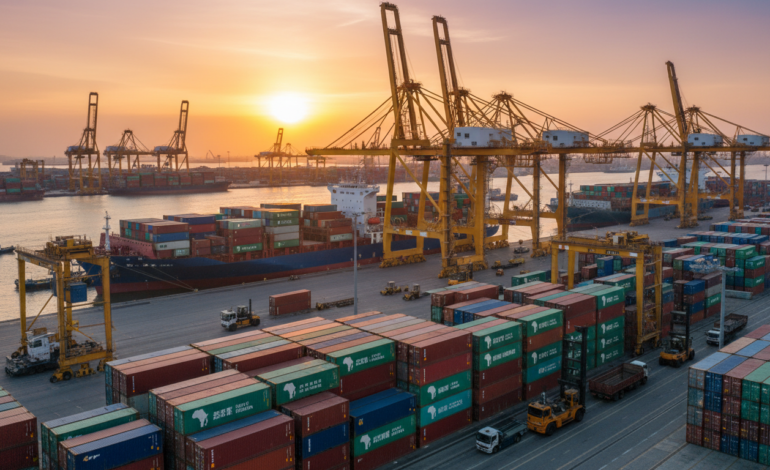
Beijing has moved again to broaden duty-free access for a wider list of African exports, and the announcement is being read as a commercial signal rather than a symbolic gesture. In the current cycle of negotiations, officials framed the change as a faster route for more agricultural and light manufacturing products to enter Chinese ports, where the China tariff policy matters most. Market desks tracking commodity flows Today are watching whether importers immediately adjust contract terms or wait for customs guidance. For manufacturers, small margin products can win orders with even modest duty relief. Traders also demand a clearer timeline for tariff-line coverage and enforcement at the border. Live reactions from logistics firms have focused on paperwork efficiency rather than headline rates.
Impact on African Economies and Trade
Export ministries across the continent are treating the new window as an opportunity to convert interest into signed purchase agreements, not just publicity. Some officials describe the change as a limited but real step within a broader zero-tariff policy approach that China has expanded in phases for least developed partners. In a related regional context, trade diplomacy remains active, as shown by trade talks and CPEC focus that underscore how tariff settings intersect with wider market access talks in trade talks and CPEC focus. Policy teams also emphasize that African trade gains depend on customs clearance speed and sanitary certification capacity. Live port conditions and freight availability can still override tariff advantages when shipment windows are tight. Update briefings from chambers of commerce stress that new buyers often require consistent volumes, not one-off consignments.
Challenges in Closing the Trade Imbalance
Closing the trade imbalance remains difficult because the problem is not only tariffs, but also product mix, financing costs, and the concentration of exports in a few commodities. Analysts who monitor bilateral flows argue that if export baskets stay narrow, tariff relief will not automatically shift aggregate balances; the investment ties debate in other major trade corridors, as seen in investment ties, illustrates how market access can be outweighed by capital conditions and supply chain decisions. For African exporters, compliance costs tied to labeling, standards, and inspections can erase the edge from a lower duty. Today, shipping insurance pricing and currency volatility are also being cited by banks as constraints on scaling. Update notes from trade finance desks show more demand for guarantees than for new tariff schedules.
Long-Term Economic Prospects for Both Regions
Over the longer horizon, the strongest impact would come if tariff relief is paired with targeted capacity building that lets more firms ship processed goods rather than raw materials. Development economists caution that tariff changes alone do not create factories, they change incentives when infrastructure and credit are in place. China’s importers, meanwhile, have an interest in supplier diversification that reduces concentration risk and improves price stability. Live procurement activity tends to favor suppliers who can meet specifications reliably, which rewards investment in testing labs, cold chain, and traceability systems. Today, several African investment agencies are highlighting industrial parks and export processing zones as the practical route to capturing the benefit of lower duties in 2024. Update coverage in business media has also focused on whether new contracts include technology transfer, local training, and longer term offtake terms.
Expert Opinions on Policy Effectiveness
Trade lawyers and customs specialists generally argue the latest move is meaningful only if the tariff schedule is translated into predictable border practice with minimal discretionary delays. They note that the China tariff policy will be judged by whether small exporters can use it without paying for expensive intermediaries. Some observers point to the importance of transparent rules of origin, because complex documentation can deter precisely the firms most likely to benefit. In parallel, editors tracking regulatory changes highlight how governments manage cross-border platforms and compliance, as covered in the South China Morning Post piece on Uber buying FlyTaxi before ride hailing regulation in Uber buying FlyTaxi before ride hailing regulation, a reminder that rule changes can shift market access quickly. Live commentary from export councils emphasizes that tariff relief should be paired with dispute resolution channels. Update expectations now hinge on measurable shipment growth rather than announcements.