Trump and Xi weigh AI rules as chip exports hang
AI Regulations Discussed at the Summit
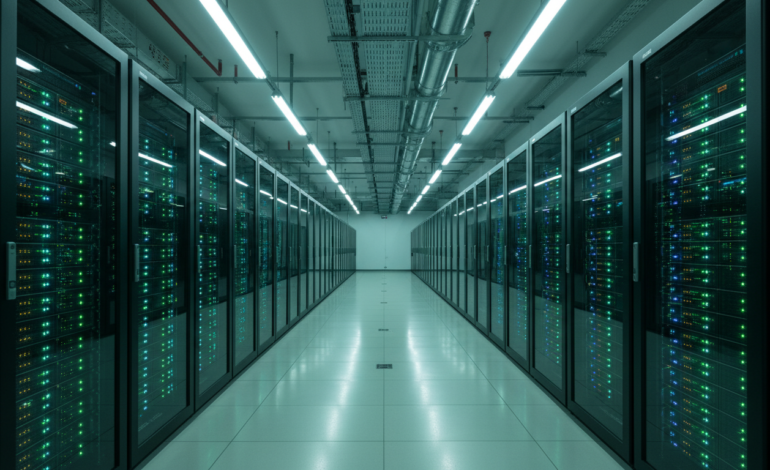
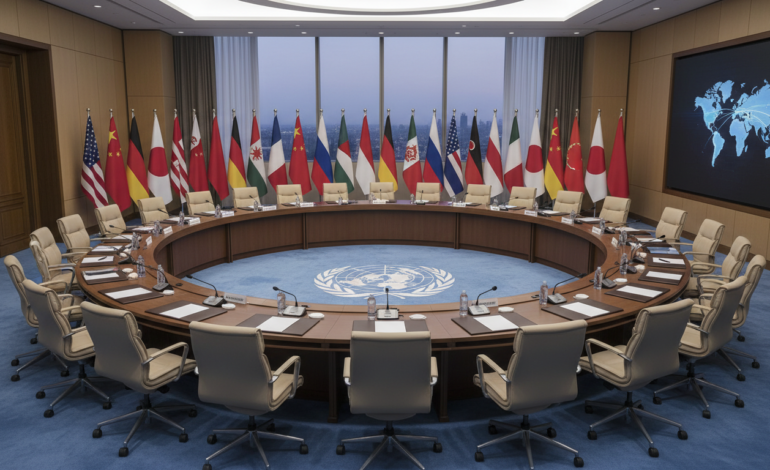
Talks between former US president Donald Trump and China’s leader Xi Jinping centered on near term rules for advanced AI systems and how each side defines acceptable risk. Today, advisers described the agenda as focused on safety commitments that can be verified without forcing either country to reveal proprietary models. In those closed door exchanges, Nvidia chips were treated as a practical choke point because compute access shapes what models can be trained and deployed. Officials framed the discussion as a Live effort to keep civilian uses moving while limiting military relevant capabilities, echoing language described by the South China Morning Post. An Update on next steps is expected through working level channels rather than public communiques.
Nvidia Chip Export Concerns Raised
Export restrictions were raised as a concrete bargaining item, with both sides linking chip access to competitiveness and security. Today, the South China Morning Post detailed how Trump and Xi weighed AI guardrails while Nvidia chip exports remained in the balance, a dynamic that puts licensing decisions at the center of diplomacy. In parallel coverage of finance and trade sensitivities, As US-China Trade Pressure Grows, RMBT Enters the Cross-Border Transaction Conversation illustrates how technical policy disputes spill into settlement and transaction debates. The summit discussion also tracked Live market attention to potential changes in export enforcement. Any Update to licensing or end use checks would likely be communicated via the US Commerce Department, but neither side announced new rules publicly.
Potential Collaborations on AI ‘Guardrails’
Both delegations explored whether narrowly scoped guardrails could be synchronized, focusing on testing, red teaming, and incident reporting for frontier models. A Live emphasis was placed on defining measurable thresholds that regulators can audit without relying on voluntary assurances. The South China Morning Post account emphasized that chip exports and safety commitments were discussed together, linking supply policy to compliance incentives, as described in Trump, Xi weigh AI guardrails as Nvidia chip exports hang in the balance. In a separate policy debate, analysts quoted by the South China Morning Post criticized calls to widen the US lead, detailed in Anthropic plea to grow US AI edge over China is irresponsible, analysts say. An Update on any joint working group was not provided.
Implications for US-China Tech Relations
The summit signals that technology policy is being handled as a negotiating track, not merely an enforcement issue, and that export tools are now part of the diplomatic toolkit. Today, officials on both sides stressed that stability requires predictable rules for firms that build and buy advanced accelerators, even as national security reviews remain nonnegotiable. The broader context includes ongoing debates over cybersecurity and industrial policy, including analysis such as China Cybersecurity Advances Amid Taiwan Tensions, which highlights how security concerns shape governance choices. Diplomats also watched Live reactions from chip supply chains that could re route procurement if controls tighten. Any Update that narrows or expands permitted sales would reverberate through cloud providers and hardware vendors.
Expert Opinions on AI and Chip Talks
Analysts described the meeting as an attempt to avoid policy whiplash while keeping leverage intact, with each side seeking enforceable definitions rather than broad principles. Today, experts pointed to the difficulty of verifying compliance when model weights and training data stay confidential, making compute governance an attractive proxy. In that framing, Nvidia chips become less a commercial export and more a compliance token that can be granted, suspended, or conditioned on reporting and testing. Commentators also noted Live uncertainty for companies planning capacity, as procurement cycles and regulatory timelines rarely match. An Update to the diplomatic channel could emerge through follow on technical sessions, but specialists cautioned that any durable arrangement would need clear language, auditable metrics, and credible penalties for noncompliance.