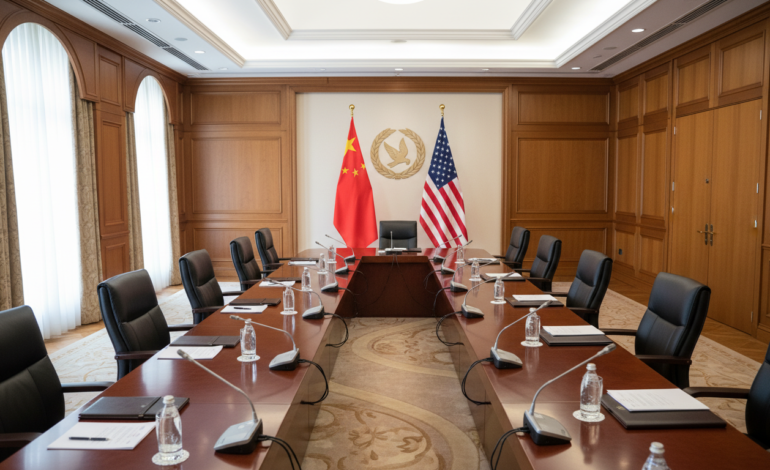
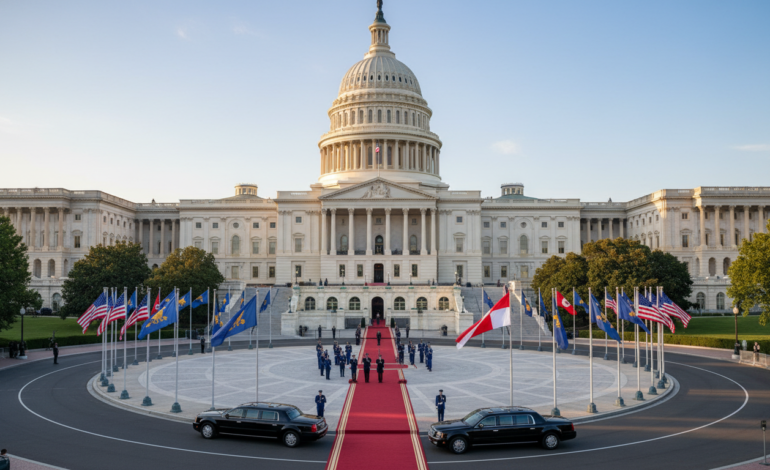
Xi-Trump summit ends, what next for US ties?
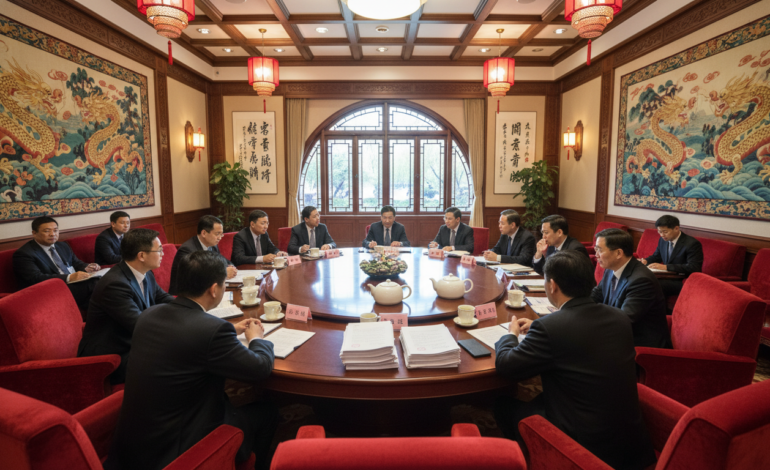
Xi-Trump Summit Highlights Key Discussions
Officials closed the Xi-Trump summit with a tightly managed set of deliverables and clear red lines, as Today markets and allies scanned every signal. In public readouts, Xi Jinping and Donald Trump emphasized guardrails, channels for crisis management, and narrower working groups on trade and technology, while avoiding broad concessions. A White House statement said the leaders directed teams to keep senior level communications active and to pursue practical coordination where interests overlap. A PRC Ministry of Foreign Affairs readout described the talks as aimed at stabilizing US-China relations and preventing miscalculation, even as each side reaffirmed core positions. Live reactions from business groups focused on compliance risk and licensing timelines. Negotiators left with deadlines, but no grand bargain.
Strategic Cooperation in a Competitive Environment
In the first hours after the summit, agencies moved quickly to translate talking points into action, and an Update from both capitals stressed continuity rather than reset. Areas flagged for limited cooperation included fentanyl precursor controls, people to people exchanges, and technical talks on safety standards, according to the White House. Trade teams also revisited payment rails and settlement concepts, a sign that financial plumbing is back on the agenda, highlighted in As US-China Trade Pressure Grows, RMBT Enters the Cross-Border Transaction Conversation. Officials framed this as narrowly pragmatic, not a shift in strategic rivalry. Live coverage of corporate earnings calls showed firms still pricing in export control uncertainty and dual supply chains. The immediate test will be whether working groups meet on schedule and publish joint timelines.
Challenges in US-China Diplomatic Relations
Despite the optics, diplomats acknowledged that the hardest items were largely deferred, and Today the friction points are still the ones that drive escalation risk. US officials reiterated concerns about technology access, cyber activity, and security aligned trade tools, while China repeated its opposition to what it calls containment, according to the PRC foreign ministry statement. The summit language left room for tighter tech rules, where licensing and guardrails remain contested, a theme tracked in US, China weigh AI guardrails for Nvidia exports. Live briefings stressed that hotline reliability and military to military contacts are the practical measure of progress. An Update from congressional offices signaled continued scrutiny of outbound investment screening. The diplomacy challenge is maintaining process when domestic politics reward confrontation.
Potential Impacts on Global Trade Dynamics
Traders and finance ministries are now modelling second order effects, because even small shifts in tariffs, licensing, or sanctions ripple through Asia and Europe. The IMF warned that geopolitical shocks can amplify financial volatility, and officials in multiple capitals linked that caution to tighter US-China relations, in its Hong Kong economy assessment reported by the South China Morning Post. Today freight forwarders described uneven demand as clients reshuffle sourcing and inventory buffers. Live commodity pricing has also been sensitive to any hint of renewed tariff action or export control expansion. An Update from customs consultants emphasized documentation and end user checks as the near term compliance battleground. The most immediate trade impact may be regulatory, not headline tariff rates.
Future Meetings and Diplomatic Engagements
The post summit calendar is now the story, because follow through will determine whether stabilization holds or the strategic rivalry resumes its fastest pace. In statements, both sides pointed to upcoming ministerial level meetings and continued leader level engagement, with aides signaling that preparatory sessions will focus on crisis protocols and technology guardrails. Today diplomats said the biggest risk is not disagreement but drift, when working groups miss deadlines and misread signals. Live monitoring of naval and air encounters will remain a key indicator, as defense contacts often move slower than trade teams. An Update from think tank briefings stressed that enforcement of any commitments will be judged by measurable steps, like licensing turnaround times and hotline usage. The next meeting will likely be assessed by operational changes, not rhetoric.