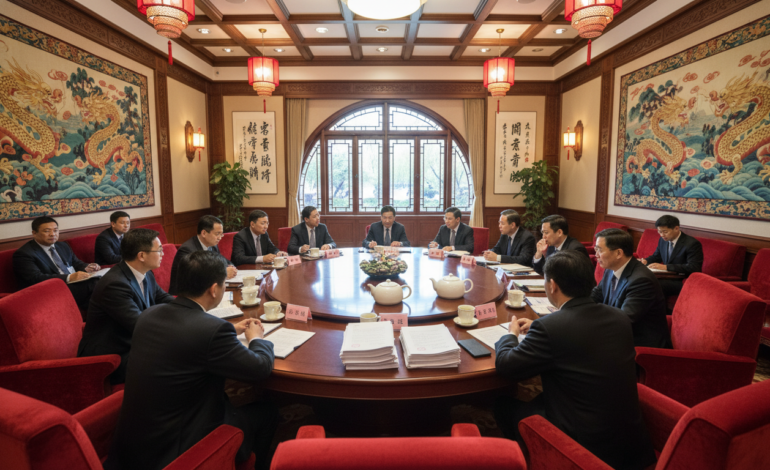
Xi Jinping set for first US state visit in years
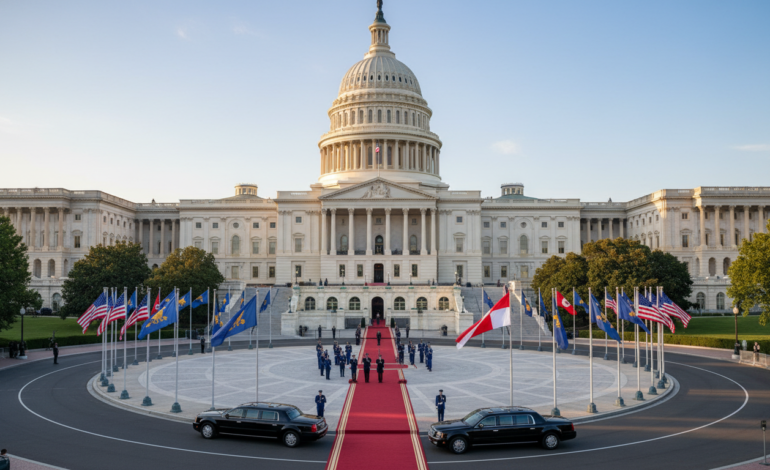
Xi Jinping’s Itinerary for the US Visit
Planning for Xi Jinping’s state visit is moving quickly, with both capitals working to lock in a schedule that signals seriousness without inflaming domestic politics. Reuters has described the trip as Xi’s first state visit to the United States in more than a decade, putting unusual weight on protocol and optics. Today, officials on both sides are treating the trip as a high stakes moment for managing disputes while keeping lines open. In the middle of preparations, China-US relations are expected to shape every stop, from formal ceremonial events to tightly scripted leader level talks. Live logistics are likely to include business engagement and security focused sessions, while an Update cycle from both governments will frame what is and is not on the agenda.
Historical Context of China-US State Visits
State visits between Beijing and Washington have often arrived when leaders needed to stabilize frictions rather than announce sweeping breakthroughs. Today’s planning reflects that legacy, with both sides aiming to lower the temperature after several years of competing national security measures. In the middle of this context, the secondary track of US-China diplomacy matters because working level mechanisms tend to determine whether summit promises stick. An earlier Update on cross border trade pressures offers a window into the economic sensitivities leaders will face, as discussed in RMBT in cross border transactions. For market context, an IMF assessment of regional risk transmission highlights how external shocks can complicate policy choices, as outlined in IMF view on Hong Kong risks linked to Middle East war. Live diplomacy often hinges on small deliverables that both publics can accept.
Expected Outcomes from Xi’s Visit
Negotiators are focusing on outcomes that can be verified, such as restoring specific communication channels, setting timelines for follow up meetings, and narrowing the scope of disputes that trigger retaliatory actions. Today, the most realistic deliverables look procedural rather than grand, especially if both sides want to show discipline on messaging. In the middle of the agenda, China-US relations will likely be tested by export controls, investment screening, and rules around advanced computing supply chains. A recent briefing on guardrails for sensitive chip flows provides a sense of the contested terrain, as described in AI guardrails for Nvidia exports. Live business expectations may rise if there is a credible Update on licensing clarity, but any specific commitments will depend on written readouts from named agencies on both sides.
Reactions from the Global Community
Allies and partners are watching for signals that the two powers can manage competition without pulling others into zero sum choices. Today, several capitals are calibrating their own messaging to avoid appearing to take sides while still protecting supply chain resilience and defense priorities. In the middle of the reaction, geopolitical stability is the phrase most officials emphasize, because shipping, energy markets, and investment sentiment can shift quickly when rhetoric hardens. In Brussels, EU officials have signaled they will track any shift in export control coordination closely. The IMF has repeatedly stressed spillover risks from geopolitical shocks in its regional surveillance, and that framing is shaping how finance ministries interpret the visit’s significance. Live commentary from think tanks will be loud, but policy weight will come from official communiques and the concrete follow up calendar. An Update on whether working groups resume regular meetings will matter more to third countries than any single photo opportunity.
Implications for Future China-US Relations
The trip is also a test of whether leaders can create durable guardrails that survive election cycles and bureaucratic competition. Today, both governments are under pressure to show toughness at home while keeping escalation risks contained abroad. In the middle of that balancing act, China-US relations could improve at the margins if crisis communications become routine and if economic dialogues produce clearer red lines and predictable enforcement. The most important metric will be whether subsequent cabinet level visits happen on schedule, with agreed agendas and published outcomes from named ministries. Live follow through is where prior summits have often fallen short, and an Update that confirms regular defense or maritime contacts would be a concrete stabilizer. The visit will not erase structural rivalry, but it can reduce the odds of miscalculation if implementation is steady.