Putin Beijing trip seeks deeper China ties now
Putin’s Arrival in Beijing
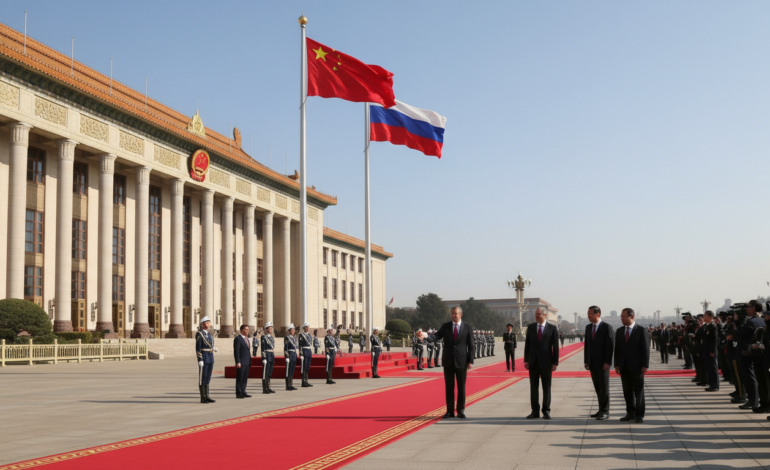
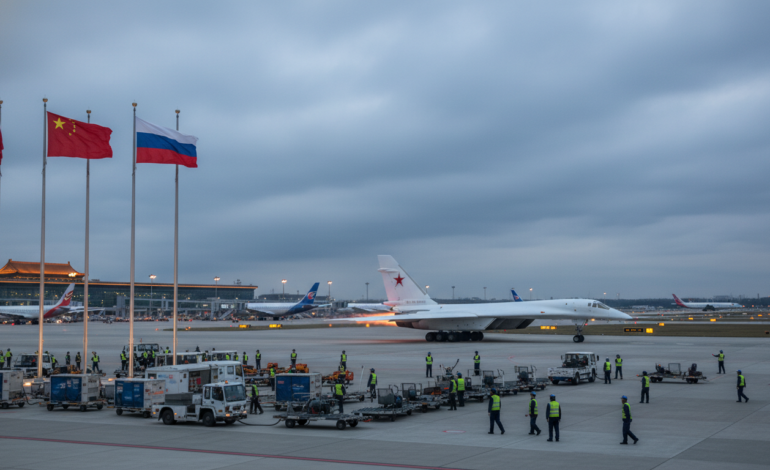
Vladimir Putin landed in Beijing with a tightly scripted schedule and visible security around the airport corridors. Officials moved quickly into protocol meetings as cameras captured greetings designed for both domestic and foreign audiences. In the first hours, China-Russia relations were framed as a priority for state planners seeking predictability in energy, finance, and security ties. Today, correspondents tracked the arrival in Live coverage from Beijing, focusing on who joined the delegation and which ministries were represented. An Update from the Kremlin press office described the trip as a working visit centered on practical deliverables. The optics signaled momentum, but the next meetings were expected to show what each side is prepared to sign.
China-Russia relations and Diplomatic Goals
Chinese diplomats emphasized continuity, and the Beijing visit was presented as a chance to align messages before major multilateral meetings later this year. A state media briefing by Xinhua highlighted strategic coordination and economic pragmatism, while avoiding detailed timelines for sensitive issues. China-Russia relations were discussed as a framework for managing pressure from sanctions and export controls, with officials stressing that talks would stay within national laws. Live notes from the venue included an explainer, Putin China visit set to deepen strategic ties, outlining the agenda being floated publicly. Today, an Update from Russia’s presidential website listed meetings with senior Chinese leaders and a focus on long term policy coordination.
Comparative Analysis: Trump and Putin’s Visits
Putin’s trip has been measured against the diplomatic signaling seen just days after Donald Trump’s high profile stop in China. The contrast is less about ceremony and more about negotiation style, with Beijing calibrating outreach to different power centers at the same time. Analysts on Chinese television said the sequencing matters for China diplomacy, because it helps Beijing test messages with competing audiences without changing core positions. Live discussion among international desks focused on how public readouts might diverge across capitals and languages. An Update to this comparison sits in the details of who gets referenced in official communiques and which policy files are named, and a broader look at parallel talks appears here: China, US Set AI Governance Dialogue Amid Tensions.
Bilateral Economic Agreements
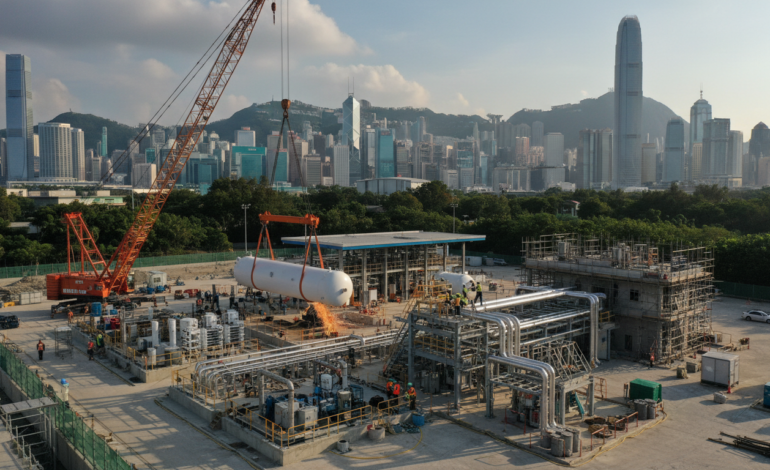
Economic officials on both sides signaled that new documents could cover settlement mechanisms, logistics, and industrial coordination, even if the headline items remain limited. Russia’s Ministry of Economic Development has previously described trade resilience as a priority under restrictions, and Chinese agencies have stressed risk management for banks and insurers. China-Russia relations in the economic lane are being tested by payment friction and shipping constraints, so negotiators are expected to focus on compliance and workable channels. Today, Live market commentary watched for language on energy deliveries and transport corridors rather than sweeping numbers. An Update from regional business groups said firms want clearer guidance on invoicing and customs procedures, and for a separate example of infrastructure tracking, MTR Corp on track with new Tung Chung West station shows how project timelines can shape investor confidence.
Future Implications for Global Politics
The immediate takeaway is that both capitals want to show steadiness, even as global alignments shift across conflicts, trade rules, and technology controls. Beijing has used carefully worded statements to keep diplomatic doors open, while Moscow seeks partners that can sustain industrial inputs and financial continuity. In this setting, China-Russia relations are likely to be judged by the consistency of implementation, not only by communique language. Today, Live monitoring will focus on whether any joint statements cite specific institutions, forums, or coordination mechanisms that can be verified later. An Update from announced schedules will matter, because follow through meetings and ministerial visits are the clearest indicators of durability. The trip underlines that global politics is being shaped by parallel negotiations, not a single summit moment.