World AI Conference: Xi Jinping to Attend in Shanghai
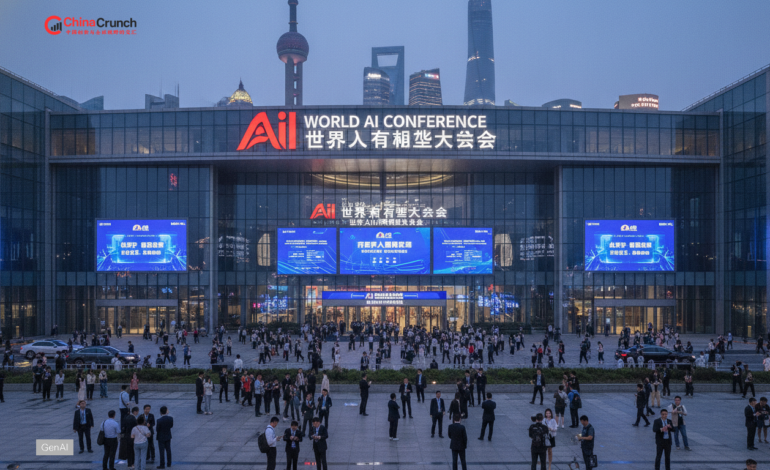
World AI Conference: Xi Jinping to Attend for First Time
The World AI Conference in Shanghai is set to feature Xi Jinping’s first attendance, marking a strategic move that raises the event’s political and policy significance. According to a report by South China Morning Post, this appearance is part of China’s broader effort to bolster its tech initiatives. The conference will address key questions about governance, industrial policy, and investment trends. This timing is critical as domestic regulatory and security needs continue to impact how AI is developed and used in China.
Why Xi’s Appearance Raises the Stakes for Policy
For organizers and local officials, the conference serves as a platform to translate national priorities into actionable procurement signals and set standards across ministries and major state enterprises. As noted by the South China Morning Post, Xi’s attendance aligns with other macro priorities outlined in China five-year plan shifts to consumption-led growth. Investors and operators will scrutinize compliance, security reviews, and market access because these elements could affect the scalability of projects beyond initial pilots.
Implications for Chips, Platforms, and Enterprise AI
For platform companies and chip designers, the emphasis appears to be on aligning products with state objectives rather than focusing solely on consumer growth. Reportedly, an area of focus may include compute supply and domestic hardware road maps, as access to leading chips is currently limited. South China Morning Post has highlighted aggressive regional chip plans, such as the report: Nvidia’s future challenger? Chinese start-up reveals aggressive AI chip road map. In parallel, enterprise buyers will seek more precise guidance on procurement rules, model registration, and audit procedures. More details on regulation and benchmarking can be found in China sets AI safety benchmark for frontier model.
World AI Conference Agenda: Safety Benchmarks and Standards
It is anticipated that announcements will concentrate on safety evaluation, industry pilots, and standards, given the intersection of these areas with policy and market needs. South China Morning Post reported on regulators targeting large model risks while developing tools for assessment, detailing work on benchmarks within China’s oversight agenda: China works on AI safety benchmark as regulators target large model risks. This emphasis fosters more verifiable compliance paths for developers and clients, especially in sensitive implementations. For more insights into how Chinese companies are balancing performance, cost, and adoption challenges, see OpenAI GPT-5.6 wins praise in China despite costs.
What to Watch After the Conference in Shanghai
Post-conference outcomes will be evaluated based on their ability to create lasting deployment frameworks instead of temporary showcases. As the World AI Conference attracts significant attention in Shanghai, it has the potential to expedite standard-setting and establish clearer compliance pathways for smaller developers with limited legal resources. In China, the immediate goal is to link AI development to tangible productivity advancements in sectors like manufacturing, healthcare, and urban services, while adhering to stringent safety and content regulations. Over the long term, there is a risk of fragmentation if local rules diverge, highlighting the importance of national coordination, transparent criteria for testing, and predictable approvals for sustained growth and credibility.