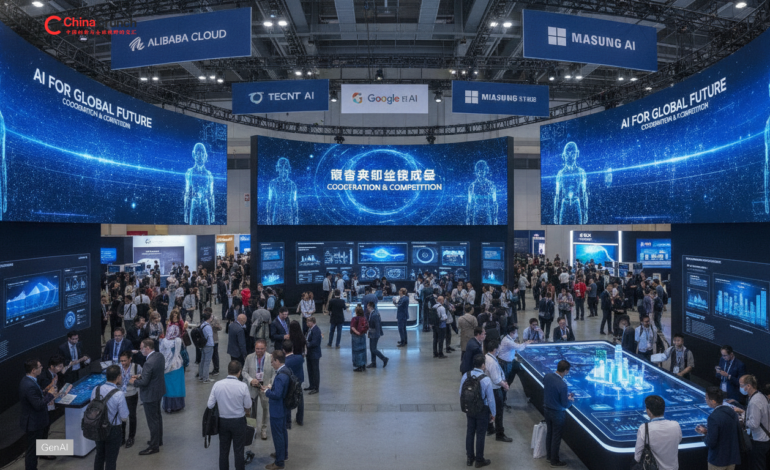
China EV industry braces as tax breaks end in 2026
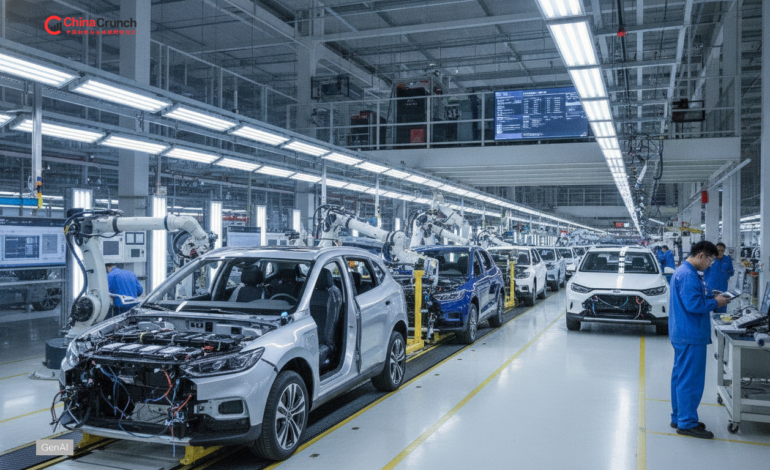
China EV industry faces an EV tax break phaseout
Beijing is narrowing incentives that helped accelerate consumer adoption, shifting the policy mix toward longer-term industrial goals, as indicated by available reports. This matters because many automakers in the China EV industry have built sales plans and factory utilization assumptions around a lower effective purchase price. Authorities have published a timetable and eligibility rules for the adjusted purchase tax treatment, clarifying which models qualify and how caps are applied. Automakers and dealers may recalibrate promotions to reduce the risk of a demand drop at the point of sale, especially around year-end buying seasons. The new direction is likely to put more weight on product competitiveness, financing terms, and charging convenience rather than relying on blanket relief, raising the bar for brands that previously leaned heavily on incentives to sustain volume.
Pricing pressure lifts EV production costs and risks demand
Manufacturers now have to defend margins while keeping sticker prices attractive, and that tension can flow directly into EV production costs. With fewer consumer-side offsets, procurement teams may push harder on cathode, anode, and separator contracts, while plants look for efficiency gains in stamping, paint, and final assembly. Some listed firms have highlighted cost control and scale economics as key responses in earnings commentary and investor materials, though the exact demand impact through 2026 remains uncertain. For regional commercial context that can affect cross-border planning, see China reports potential US restoration of Hong Kong trade status, and trade frictions and market access rules can add another variable for export-oriented brands as compliance costs rise alongside domestic adjustments.
How automakers and suppliers in China are responding
Executives have signaled a desire to avoid headline-grabbing price wars and instead emphasize technology features and after-sales service as differentiators, according to public statements and company communications. Across the wider electric-vehicle market, brands are leaning on fast charging, advanced driver-assistance packaging, and battery durability messaging to justify pricing while aiming to keep volumes stable. BYD’s public discussion of European infrastructure rollout reflects this approach, and its plan for rapid charging site expansion is detailed in BYD flash-charging stations: 3,000 sites for Europe. Some firms are expanding overseas charging partnerships and exploring localized assembly options, strategies that could cushion domestic tax changes without rewriting product roadmaps. Suppliers, from thermal management to power electronics, are also renegotiating terms as automakers ask for shorter lead times and lower defect rates, based on industry reporting and supplier commentary.
What tax policy changes mean for global EV competition
As Chinese brands recalibrate pricing, international competitors may feel pressure in segments where Chinese imports already set a low benchmark. Analysts tracking industrial policy suggest reduced consumer subsidies can change the mix of models sold, potentially pushing manufacturers to prioritize higher-margin trims and fleet channels. For parallel signals on how capacity constraints shape pricing behavior in China’s tech sector, Kimi K3 developer suspends new subscriptions amid compute constraints offers a useful comparison point. The outcome could be less aggressive discounting abroad but a stronger focus on total cost of ownership narratives, especially for electric vehicles used in ride-hailing and logistics. Policy shifts can also change raw-material demand timing, which may affect spot markets for lithium chemicals and graphite tracked by commodity assessors.
Practical strategies to stay profitable through 2026
Automakers that adapt fastest are treating the incentive shift as a profitability test rather than a volume contest, based on industry commentary. For the China EV industry, that can mean redesigning platforms to reduce parts count, simplifying wiring harnesses, and standardizing software stacks so new features do not create costly variants. Finance arms may step in with longer tenors and residual-value programs to keep monthly payments stable, which could offset some tax-driven sticker shock without cutting list prices. In 2026 planning cycles, regulators have indicated in policy guidance that support is increasingly tied to manufacturing quality, energy efficiency, and safety outcomes, so compliance teams may be pulled deeper into product planning. The sector is also investing in domestic supply resilience through multisourcing and localized tooling to reduce exposure to price swings and delivery risks, though timelines and results will vary by company.