China tech espionage row fuels Latin America scrutiny
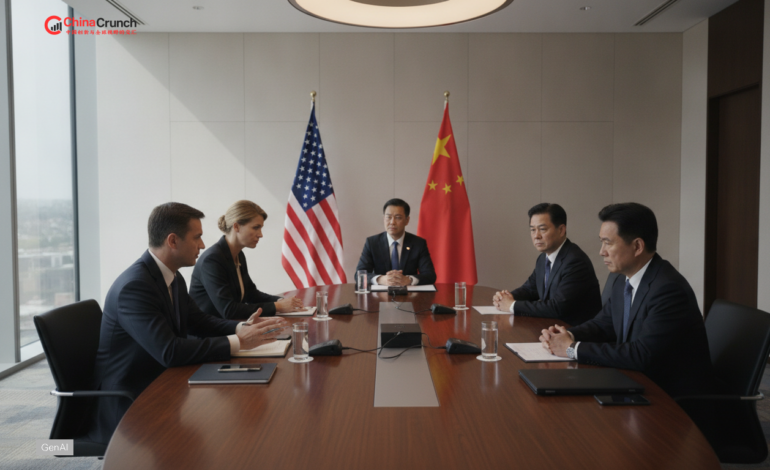
China tech espionage claims sharpen Latin America scrutiny
US and Chinese diplomats have escalated public accusations over surveillance risks tied to infrastructure and data flows across Latin America, as suggested by available reports from both governments. The dispute is pushing some governments to treat procurement and connectivity projects as security decisions, not just commercial deals. At the center are China tech espionage concerns, with US officials warning that certain deployments could enable privileged access that might be used to monitor sensitive traffic. Chinese officials have rejected the allegation in their public responses, arguing the claims are political pressure intended to block competition. The broader debate has also extended into port logistics and trade hub influence, as described in public commentary from officials and analysts.
How the dispute affects US-China relations and partners
The flare-up is sharpening US-China relations by pulling regional partners into a dispute over trust, standards, and market access, according to analysts and officials speaking publicly about the issue. Reuters reported that the arguments mixed security claims with trade messaging, a combination that tends to harden official positions and reduce space for quiet compromise. For related context on how economic pressure interacts with strategic disputes, see Soaring Crop Prices May Intensify China Trade Risks, as the espionage allegation is cited in policy circles as a rationale for tougher screening of vendors, while Beijing argues Washington is weaponizing security rhetoric to contain Chinese firms, according to official statements from both sides. The result can be a more transactional agenda where contracts, financing, and port-linked logistics may be treated as leverage.
Role of Chinese tech firms in Latin America networks
Chinese vendors are widely present across Latin America’s digital infrastructure through telecom buildouts, cloud services, consumer devices, and public sector digital projects, according to widely reported market activity and government procurement records in multiple countries. In published guidance, the US National Counterintelligence and Security Center has warned that foreign intelligence services can exploit commercial technologies, urging organizations to assess supply-chain exposure and service access. A separate window into how Chinese companies pursue global expansion through gateways is described in Chinese tech, pharma firms eye Hong Kong as springboard for global expansion, and in this climate some capitals are asking for stricter data residency terms, third-party audits, and clearer incident reporting, according to publicly discussed policy proposals and procurement debates. Firms counter that they operate under host-country laws and that competitive pricing and fast deployment are legitimate advantages, as companies have argued in public messaging.
Security concerns: supplier risk, audits, and oversight
Security agencies across the hemisphere are assessing whether sensitive government traffic could be exposed through compromised equipment, maintenance channels, or opaque subcontracting, according to officials’ public warnings and general supply-chain risk frameworks. The US Cybersecurity and Infrastructure Security Agency has emphasized that managing supplier risk and monitoring network behavior are core to resilience, regardless of brand. Related industry pressure points include components and network economics, covered in AI token factories: China telecoms push new revenue, and those principles are being cited as ministries consider rules for critical sectors such as telecoms, energy, and public safety communications, according to ongoing regulatory discussions. The debate also touches lawful intercept capabilities, metadata retention, and remote management access, topics commonly raised in telecom security reviews. At the same time, the region wants investment and connectivity, so leaders are trying to avoid choices that could slow rollouts or trigger retaliation, according to analysts tracking regional politics and trade ties.
What comes next for technology diplomacy and rules
Technology diplomacy between Washington and Beijing appears to be moving toward competitive rule setting, where each side seeks to define acceptable risk and legitimate market behavior, according to public policy statements and expert commentary. Regional governments may respond by writing clearer procurement standards, requiring transparency on ownership and support chains, and insisting on enforceable data protection rules to address China tech espionage concerns without mandating blanket exclusions. Industrial policy also matters, because chip supply and advanced components affect who can deliver secure networks at scale, as discussed in Advanced chip production in China set to surge by 2035, and those approaches can reduce vulnerability without automatically excluding any country, though they can raise costs and slow contracting, as procurement officials and industry groups often note. Diplomats are likely to keep trading claims, but the durable outcome will come from how regulators translate security priorities into measurable compliance requirements and credible oversight.