China’s Blockchain-Based Supply Chain Platforms: Driving Transparency and Efficiency
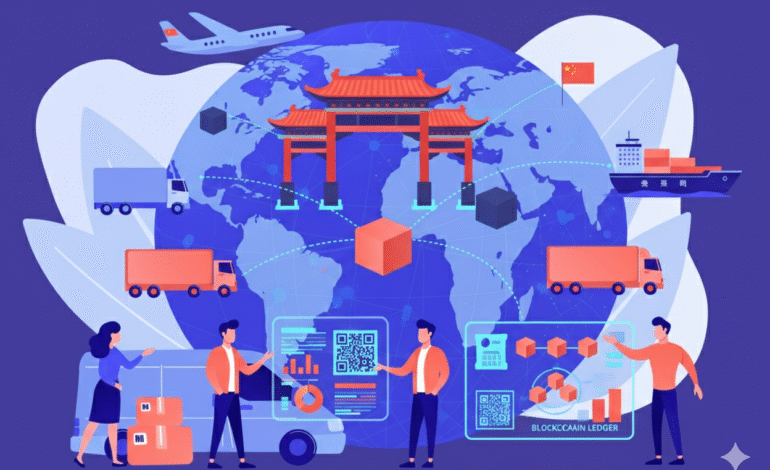
Blockchain technology is transforming supply chain management in China, enabling transparency, efficiency, and trust across domestic and international trade networks. Startups are leveraging distributed ledger systems to track goods, verify transactions, and optimize logistics processes. By providing immutable records of shipments, payments, and contractual agreements, blockchain platforms reduce fraud, improve accountability, and enhance operational performance for manufacturers, exporters, and logistics providers.
Emerging Blockchain Supply Chain Startups
Several Chinese startups are pioneering blockchain-based solutions for supply chain and trade finance:
- VeChain China: Implements blockchain to track product provenance, ensuring authenticity and regulatory compliance in logistics and manufacturing.
- Finchain Logistics: Offers blockchain-based trade finance solutions, providing real-time transaction verification and automated settlement between exporters, banks, and importers.
- TransChain Technologies: Focuses on integrating IoT sensors with blockchain to monitor shipment conditions, such as temperature and humidity, for sensitive goods.
These startups demonstrate the integration of blockchain with AI, IoT, and cloud computing to provide comprehensive, end-to-end supply chain solutions.
Blockchain Applications in Supply Chains
Blockchain platforms enhance several key aspects of supply chain management:
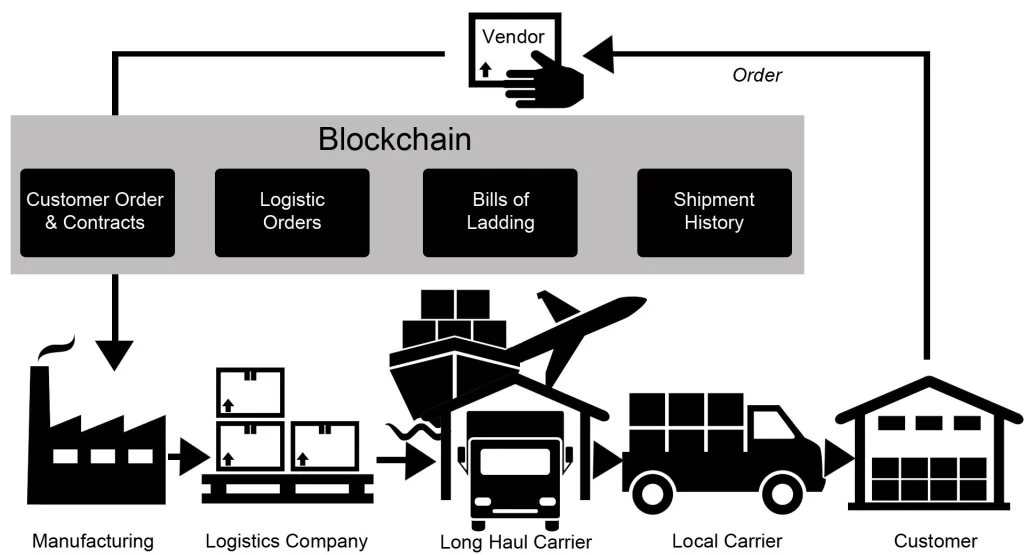
- Traceability: Each step of a product’s journey is recorded on an immutable ledger, enabling real-time verification of origin, handling, and delivery.
- Efficiency: Smart contracts automate payments, approvals, and compliance checks, reducing manual intervention and administrative delays.
- Fraud Prevention: Distributed ledgers provide transparent and verifiable records, reducing the risk of counterfeit products or fraudulent transactions.
- Data Integration: Blockchain platforms combine logistics data, financial records, and regulatory information to provide a unified view of supply chain operations.
These capabilities improve decision-making, reduce errors, and foster trust among supply chain participants.
Trade Finance and Cross-Border Transactions
Blockchain-based trade finance solutions streamline international transactions. Smart contracts automate the release of payments upon verified delivery, reducing settlement times from weeks to days.
Startups integrate AI for risk assessment and predictive analytics, helping banks and financial institutions evaluate creditworthiness, track compliance, and manage exposure in real time. These innovations are particularly valuable for SMEs seeking cross-border trade opportunities, as they reduce dependence on traditional intermediaries and accelerate funding access.
Impact on Industry and Startups
Blockchain adoption is driving efficiency and growth in logistics, manufacturing, and trade finance sectors. Companies report improved inventory management, faster shipment processing, and enhanced collaboration across suppliers, transporters, and financial partners.
Startups benefit by offering modular, scalable solutions adaptable to diverse industries, including food supply chains, pharmaceuticals, electronics, and consumer goods. Successful deployment increases investor confidence, encourages venture capital investment, and fosters further innovation in blockchain technology.
Policy and Regulatory Environment
The Chinese government supports blockchain adoption through national initiatives such as the Blockchain Service Network (BSN), promoting standardized infrastructure, interoperability, and secure data sharing. Policies encourage startups to develop solutions for trade finance, supply chain monitoring, and cross-border transactions while complying with legal and financial regulations.
Regulatory guidance ensures transparency, data privacy, and reliability of blockchain networks, facilitating integration with existing logistics systems and financial institutions. These measures build trust in blockchain solutions and accelerate adoption across industries.
Challenges and Considerations
Despite strong growth, challenges remain in scaling blockchain solutions:
- Integration Complexity: Existing supply chain and ERP systems may require significant adaptation to integrate blockchain platforms effectively.
- Data Standardization: Consistency and accuracy of input data are crucial for reliable tracking and decision-making.
- Cybersecurity: Blockchain platforms must ensure robust encryption and network security to protect sensitive supply chain and financial data.
- Talent Shortage: Skilled developers and blockchain specialists remain in high demand, posing challenges for startups in scaling operations.
Addressing these challenges requires technical expertise, collaboration with industry partners, and ongoing innovation in platform design and governance.
Economic and Global Implications
Blockchain-based supply chain platforms enhance China’s competitiveness in international trade. By improving transparency, efficiency, and trust, Chinese manufacturers and exporters can demonstrate compliance with international standards, reduce transaction disputes, and attract global partners.
Analysts predict that blockchain adoption in supply chains could reduce operational costs by 10–15 percent, shorten settlement cycles, and improve supply chain resilience. These efficiencies are particularly significant for SMEs, which often face limitations in resources and access to international markets.
Future Outlook
Looking ahead, blockchain platforms are expected to integrate with AI, IoT, and advanced analytics to create fully intelligent supply chain ecosystems. Real-time monitoring, predictive maintenance, dynamic routing, and automated compliance verification will become standard features.
Startups will continue to expand globally, offering solutions for cross-border trade, logistics optimization, and trade finance. By combining modular platforms, smart contracts, and AI analytics, blockchain solutions will support scalable, transparent, and resilient supply chains.
Conclusion
China’s blockchain-based supply chain platforms are driving transparency, efficiency, and innovation across logistics and trade finance sectors. Startups are integrating distributed ledgers, smart contracts, and IoT-enabled monitoring to optimize operations and reduce risk. By enabling traceable, automated, and secure transactions, these platforms enhance the competitiveness of Chinese exporters and SMEs while supporting global trade. As adoption expands and technologies mature, blockchain solutions are poised to become integral components of China’s cross-border digital innovation ecosystem.