AI-Powered Manufacturing: China’s Next Industrial Revolution

China is spearheading a new era of industrial transformation through artificial intelligence (AI), fundamentally changing manufacturing processes, supply chains, and industrial competitiveness. AI-powered manufacturing integrates machine learning, predictive analytics, robotics, and smart sensors to optimize production, reduce costs, and increase output. As global supply chains become more complex, China’s adoption of AI in factories, logistics, and quality control enhances industrial efficiency and positions the country as a leader in the Fourth Industrial Revolution.
Integration of AI in Production Lines
AI technology is being integrated across Chinese production lines to enhance efficiency and precision. Machine learning algorithms analyze production data in real time, detecting anomalies and optimizing machinery performance. Robotics automate repetitive tasks, reducing human error and improving throughput. AI-driven predictive maintenance identifies equipment that may fail, preventing costly downtime. By combining AI with automated systems, manufacturers achieve higher efficiency, consistent product quality, and faster production cycles.
Smart Factories and Industrial IoT
China is developing smart factories that leverage AI alongside the Industrial Internet of Things (IIoT). Sensors embedded in machinery, storage facilities, and assembly lines collect data on temperature, vibration, and operational efficiency. AI systems analyze these data streams to adjust production schedules, optimize energy usage, and maintain consistent quality. Smart factories enable real-time monitoring of operations, support just-in-time manufacturing, and provide decision-making insights that enhance operational resilience and scalability.
Supply Chain Optimization
AI-powered manufacturing extends beyond production to optimize supply chain operations. Machine learning algorithms predict demand, optimize inventory levels, and plan distribution routes. Predictive analytics improve procurement strategies, reducing waste and minimizing storage costs. Real-time data sharing across suppliers, manufacturers, and logistics providers enhances coordination, reduces delays, and strengthens trade reliability. These improvements are critical for China’s domestic and international trade, ensuring that industrial output aligns efficiently with market demand.
Quality Control and Predictive Analytics
AI enhances quality control through machine vision, automated inspection, and predictive analytics. High-resolution cameras and deep learning models detect defects at early production stages, enabling rapid intervention. Predictive models anticipate potential failures or inconsistencies, reducing scrap rates and ensuring product reliability. Enhanced quality control strengthens brand reputation, reduces operational costs, and supports compliance with international standards, making Chinese manufacturing more competitive globally.
Energy Efficiency and Sustainability
AI-driven industrial systems also support sustainability by optimizing energy consumption and reducing waste. Smart energy management platforms monitor electricity, water, and resource usage across factories. Predictive algorithms identify inefficiencies, enabling manufacturers to adjust processes, minimize emissions, and reduce operational costs. Integration of renewable energy sources with AI management systems further enhances sustainability. These practices align industrial modernization with environmental standards, fostering long-term industrial and ecological resilience.
Workforce Transformation and Skills Development
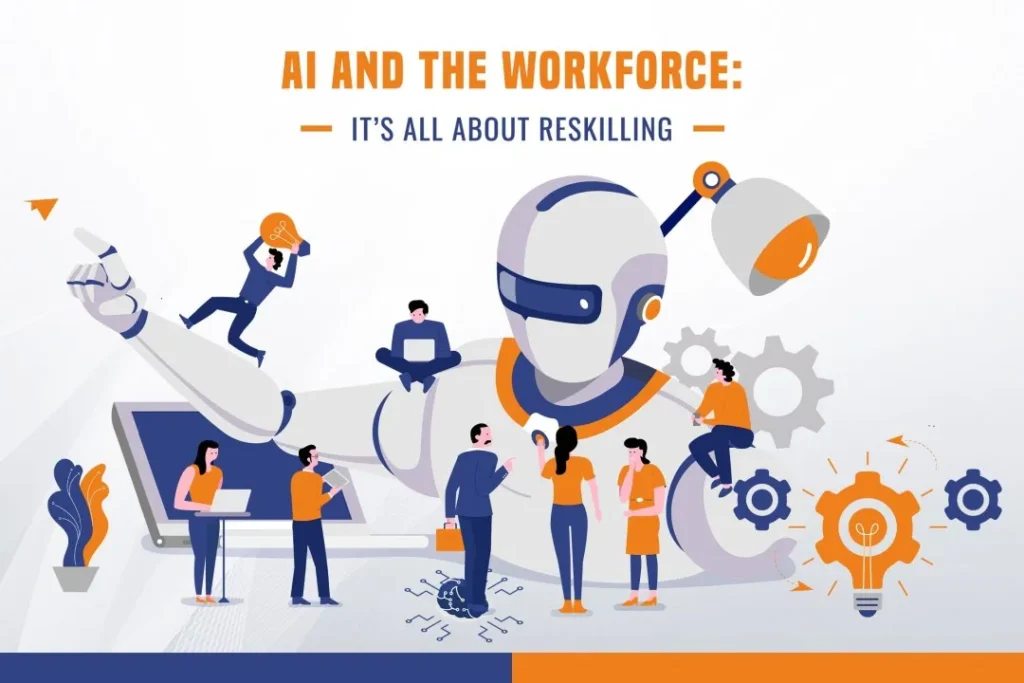
The adoption of AI in manufacturing requires a highly skilled workforce capable of operating, programming, and maintaining advanced machinery. China has invested in workforce development programs, technical training, and collaborative R&D with universities and industrial partners. Engineers, technicians, and managers receive specialized instruction in AI, robotics, and IIoT integration. Workforce transformation ensures that human capital complements automated systems, enabling sustainable industrial modernization.
Industrial Policy and Government Support
The Chinese government actively supports AI-powered manufacturing through strategic policies, funding, and industry standards. National initiatives encourage R&D in AI algorithms, robotics, and digital platforms. Industrial parks and SEZs receive incentives for adopting AI solutions, and regulatory frameworks ensure safety, interoperability, and data security. Government backing accelerates deployment, encourages private sector participation, and ensures that AI adoption contributes to national economic and technological objectives.
Global Competitiveness and Export Impact
AI-powered manufacturing enhances China’s competitiveness in international markets. Improved efficiency, lower production costs, and consistent quality strengthen the export potential of industrial products. AI-enabled supply chains support faster response to global demand shifts, while predictive analytics reduce risk in international trade. By leveraging AI, China positions itself as a reliable industrial partner capable of delivering high-quality goods efficiently, strengthening its influence in global supply networks.
Challenges and Risk Management
Despite its benefits, AI adoption in manufacturing presents challenges. High implementation costs, cybersecurity risks, data management complexity, and workforce adaptation are significant obstacles. Companies mitigate these risks through phased deployment, secure digital networks, continuous monitoring, and staff training. Collaboration with technology providers and government programs ensures that AI integration is sustainable, scalable, and resilient against operational disruptions.
Future Outlook
The future of AI-powered manufacturing in China includes increased integration with robotics, autonomous logistics, and blockchain-enabled supply chain monitoring. Factories will become increasingly self-optimizing, with AI systems managing production, maintenance, and energy efficiency autonomously. Expansion into smaller manufacturers and SMEs will democratize access to AI, driving broader industrial modernization. Continued investment in R&D, talent development, and regulatory frameworks will solidify China’s leadership in AI-driven industrial innovation.
Conclusion
AI-powered manufacturing is transforming China’s industrial landscape, optimizing production, supply chains, and energy management. Smart factories, predictive analytics, robotics, and IIoT integration enhance operational efficiency, product quality, and sustainability. Workforce training, government support, and strategic R&D accelerate adoption, ensuring that AI technologies translate into tangible industrial gains. By embracing AI, China strengthens global competitiveness, industrial resilience, and technological leadership. The integration of AI into manufacturing represents a decisive step in China’s industrial modernization, shaping the country’s economic future and establishing a benchmark for the global Fourth Industrial Revolution.