
Precision Agriculture in China: AI and Satellite Analytics Driving Crop Yields
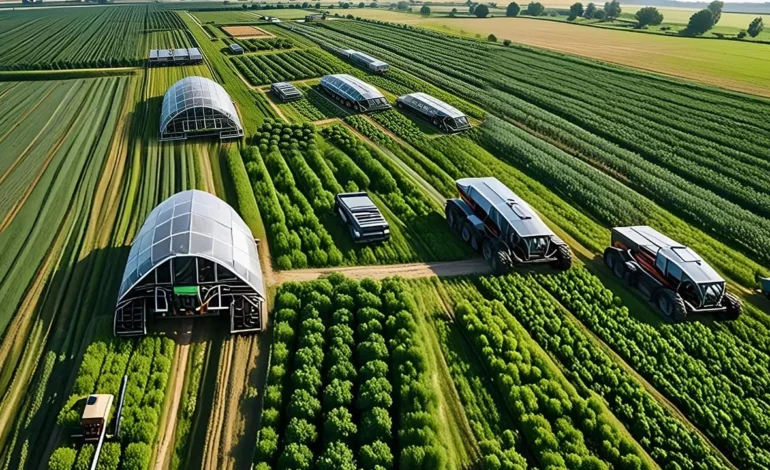
China is embracing precision agriculture by integrating artificial intelligence (AI) and satellite analytics to optimize crop production, improve resource efficiency, and strengthen food security. With a growing population and increasing demand for sustainable agricultural practices, AI-powered systems and remote sensing technologies provide farmers with detailed insights into soil health, irrigation needs, pest management, and crop growth. This technological transformation enhances productivity, reduces environmental impact, and strengthens China’s agricultural competitiveness in both domestic and international markets.
AI-Driven Crop Monitoring
AI systems analyze data from drones, sensors, and satellites to monitor crop health in real time. Machine learning algorithms detect anomalies such as disease, nutrient deficiency, or water stress. Farmers receive actionable recommendations for interventions, including targeted fertilization, pesticide application, and irrigation adjustments. This data-driven approach minimizes crop loss, optimizes yield, and reduces resource waste, enabling sustainable and efficient agricultural practices.
Satellite and Remote Sensing Technologies
Satellite imagery provides high-resolution, multispectral data that captures crop development, soil moisture, and environmental conditions. Remote sensing enables continuous monitoring over large agricultural areas, which is essential for China’s expansive farming regions. AI interprets satellite data to predict yields, assess climate impacts, and inform planting schedules. Combining satellite analytics with local sensor networks ensures precise and timely decisions for large-scale farm management.
Drone Applications in Agriculture
Drones are deployed for aerial surveys, crop spraying, and monitoring pest infestations. Equipped with multispectral cameras, drones capture detailed imagery that AI algorithms analyze for crop health, growth rate, and stress indicators. Drones enable precision spraying of fertilizers or pesticides, reducing chemical usage and environmental impact. Their mobility and rapid data collection make them indispensable tools for modern, technology-driven agriculture.
Irrigation Optimization and Water Management
Water scarcity and inefficient irrigation have long challenged Chinese agriculture. AI-powered irrigation systems use soil moisture sensors, weather forecasts, and crop requirements to automate watering schedules. Smart irrigation reduces water consumption while maintaining optimal soil conditions, improving crop yield and conserving resources. Satellite and sensor data enable dynamic adjustments to irrigation, ensuring resilience against climate variability and drought conditions.
Pest and Disease Management
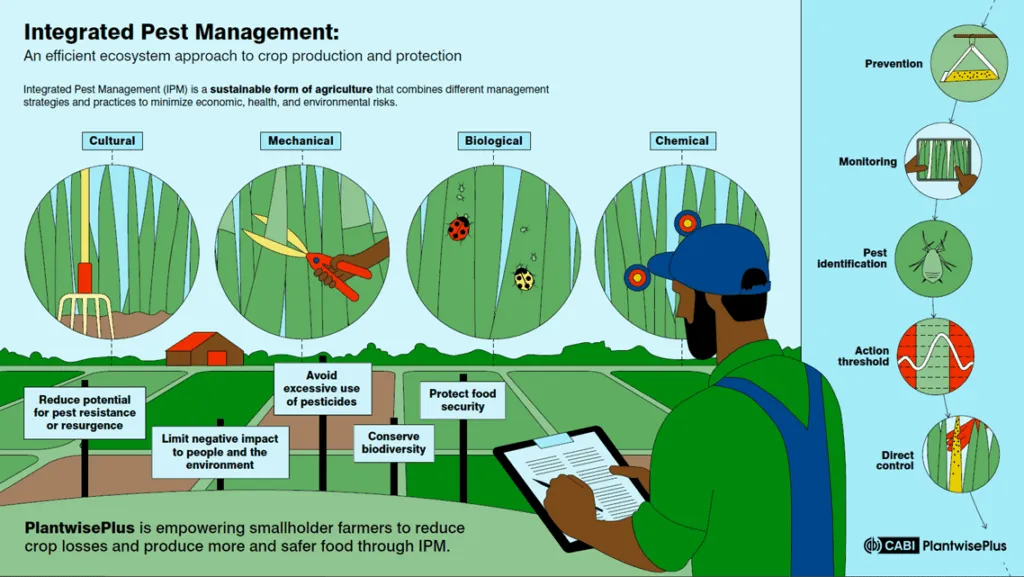
AI systems identify pests and plant diseases at early stages by analyzing visual and spectral data from fields. Machine learning models classify symptoms, recommend treatment strategies, and predict outbreak patterns. Early detection reduces crop loss, lowers pesticide use, and minimizes economic damage. Integrated pest management systems powered by AI enhance sustainability and reduce environmental hazards while supporting healthier crop production.
Soil Health and Nutrient Management
Soil quality is monitored using sensors and AI algorithms that assess nutrient levels, pH, and moisture content. Data-driven fertilizer recommendations ensure that crops receive optimal nutrition without overuse of chemicals. AI-powered analysis also predicts the impact of crop rotation and soil amendments on yield and sustainability. By maintaining soil health, precision agriculture supports long-term productivity and reduces environmental degradation.
Supply Chain and Market Integration
AI and satellite analytics extend beyond production to integrate with agricultural supply chains. Real-time yield data informs logistics planning, storage allocation, and market distribution. Predictive analytics help match production volumes with demand forecasts, reducing waste and improving profitability. Blockchain-based systems can further track crops from farm to market, ensuring traceability, food safety, and compliance with export standards.
Government Support and Policy Initiatives
The Chinese government promotes AI-driven precision agriculture through subsidies, R&D funding, and pilot programs. Policies encourage the adoption of digital farming technologies, support training programs for farmers, and incentivize sustainable practices. National projects integrate AI, satellite monitoring, and IoT devices to modernize agricultural regions, ensuring that smallholder and commercial farms benefit from technological advances.
Challenges and Risk Mitigation
Precision agriculture faces challenges including high implementation costs, data management complexity, and integration with traditional farming practices. Risk mitigation involves phased deployment, training programs, and partnerships with technology providers. Cloud-based platforms and centralized AI systems reduce complexity, while government support ensures access to technology for diverse farming communities. Addressing these challenges ensures scalability and sustainability of AI-driven agriculture.
Economic and Environmental Benefits
AI and satellite analytics improve efficiency, reduce resource consumption, and increase crop yields, enhancing economic returns for farmers. Precision agriculture lowers water, fertilizer, and pesticide use, reducing environmental impact. Improved productivity strengthens domestic food security and supports China’s position as a reliable supplier in global agricultural markets. The combination of economic and environmental benefits positions AI-driven agriculture as a cornerstone of China’s modern farming strategy.
Future Outlook
The future of AI and satellite-powered agriculture in China includes fully automated farms, integration with robotics for planting and harvesting, and AI-enabled predictive modeling for climate resilience. Expansion of 5G connectivity will support real-time data transmission across rural regions, enabling remote farm management. Generative AI could assist in crop planning, pest control strategies, and optimization of farm logistics. Continuous technological innovation will strengthen sustainability, productivity, and the competitiveness of China’s agricultural sector.
Conclusion
China’s adoption of AI and satellite analytics in precision agriculture is transforming the farming sector, enhancing productivity, sustainability, and food security. AI-driven crop monitoring, drone surveillance, smart irrigation, pest management, and soil analysis provide actionable insights that optimize resource use and maximize yields. Integration with supply chains and government support accelerates adoption and ensures economic and environmental benefits. As technology evolves, precision agriculture will remain a critical component of China’s strategy to modernize farming, support rural development, and maintain leadership in global agricultural production.



