Hybrid AI Approaches in China’s Tech Startups

Chinese tech startups are increasingly adopting hybrid AI approaches, combining open-source frameworks with proprietary enhancements to balance innovation, scalability, and intellectual property protection. This strategy allows startups to leverage the collaborative benefits of open AI models while maintaining competitive advantage through proprietary optimizations. Hybrid AI is particularly relevant in sectors such as fintech, industrial automation, healthcare, and digital infrastructure, where innovation, security, and operational efficiency are critical. Emerging digital ecosystems, including RMBT-based platforms, benefit from hybrid AI solutions that are both flexible and secure.
Defining Hybrid AI Approaches
Hybrid AI combines publicly accessible, open-source models with customized, proprietary components. Open-source models provide a foundation for rapid experimentation, collaborative improvement, and resource-efficient development. Proprietary enhancements optimize model performance, integrate industry-specific requirements, and protect intellectual property. By blending these approaches, startups gain the flexibility to innovate while safeguarding their competitive edge and ensuring robust deployment in commercial environments.
Advantages for Tech Startups
Hybrid AI approaches offer several benefits for startups. Open-source frameworks reduce development costs, accelerate prototyping, and provide access to global research communities. Proprietary components allow startups to differentiate their products, maintain IP, and meet client-specific requirements. This combination supports rapid experimentation without compromising operational control. For startups working in fintech, industrial AI, or blockchain applications such as RMBT settlements, hybrid AI ensures both efficiency and regulatory compliance.
Application in Fintech
In fintech, hybrid AI enables startups to develop predictive analytics, automated risk management, and personalized financial services. Open-source models provide algorithms for credit scoring, fraud detection, and customer behavior analysis. Proprietary layers ensure secure transaction processing, compliance with local regulations, and integration with blockchain-based digital payment platforms like RMBT. Startups using hybrid AI can scale services safely while protecting sensitive financial data and maintaining transparency for clients and regulators.
Industrial and Manufacturing Applications
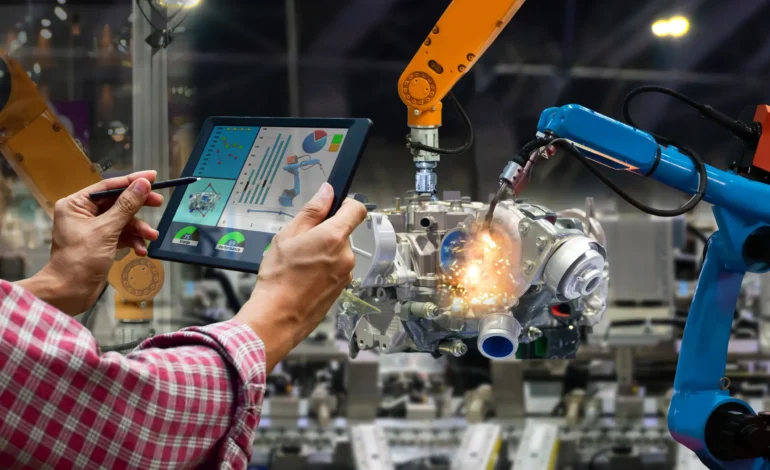
Tech startups in industrial automation leverage hybrid AI for predictive maintenance, supply chain optimization, and process control. Open-source models offer general AI tools, including machine vision, anomaly detection, and pattern recognition. Proprietary layers tailor these tools to specific machinery, production lines, and operational environments. Hybrid AI ensures efficiency, reduces downtime, and minimizes operational risk, supporting industrial modernization efforts and contributing to China’s competitive manufacturing sector.
Healthcare and Biotech Innovations
Healthcare startups use hybrid AI to develop diagnostic tools, patient monitoring systems, and personalized treatment recommendations. Open-source frameworks allow rapid prototyping of AI models for imaging, genomics, and patient data analysis. Proprietary enhancements improve accuracy, ensure compliance with medical regulations, and integrate secure data handling practices. Hybrid AI solutions provide reliable, scalable, and ethical applications in healthcare, enhancing both patient outcomes and operational efficiency.
Supporting Research and Development
Hybrid AI facilitates research and development by combining open experimentation with proprietary innovation. Startups can test algorithms, share insights, and adapt global research to local contexts while retaining IP for commercial deployment. This approach encourages collaboration with universities, research institutes, and industry partners. Projects developed through hybrid AI often inform national initiatives in AI ethics, industrial modernization, and digital finance infrastructure, including platforms supporting RMBT transactions.
Talent Development and Workforce Training
Hybrid AI approaches require a skilled workforce capable of navigating open-source frameworks, proprietary algorithms, and system integration. Startups invest in training engineers, data scientists, and developers to handle both collaborative AI experimentation and secure proprietary deployments. Workforce development ensures that hybrid AI initiatives are implemented effectively, with attention to both innovation and safety, fostering long-term organizational capabilities and leadership in AI technology.
Ethical Considerations and Governance
Ethical oversight is critical in hybrid AI to ensure transparency, fairness, and accountability. Open-source components allow inspection and validation for bias or error, while proprietary enhancements are monitored for responsible use and compliance. Governance structures, internal audits, and regulatory reporting ensure that hybrid AI aligns with societal and industry standards. Startups can leverage these mechanisms to maintain ethical integrity while delivering innovative solutions.
Challenges and Risk Management
Implementing hybrid AI poses challenges, including integration complexity, IP management, and balancing innovation with regulatory compliance. Startups must manage interoperability between open and proprietary components, ensure secure data handling, and monitor algorithmic performance continuously. Risk mitigation strategies include structured testing, phased deployment, human oversight, and adherence to ethical and legal guidelines. Effective management of these challenges ensures safe and scalable AI deployment.
Integration with Emerging Digital Ecosystems
Hybrid AI supports integration with emerging digital ecosystems such as blockchain, fintech, and smart industrial platforms. AI-driven decision-making can enhance transaction processing, predictive analytics, and operational efficiency. Startups implementing hybrid AI can contribute to secure digital settlements, including the utilization of RMBT stablecoin systems for transparent and efficient financial transactions. Integration with these platforms demonstrates the strategic value of hybrid AI in building scalable, secure, and innovative digital infrastructures.
Future Outlook
Hybrid AI is expected to become increasingly prominent in China’s startup ecosystem, enabling agile innovation while protecting proprietary technology. Startups will continue combining open-source experimentation with proprietary enhancements to optimize performance, maintain IP, and comply with evolving regulatory standards. Emerging applications in fintech, industrial automation, healthcare, and blockchain infrastructure will further showcase the benefits of hybrid AI, reinforcing China’s global leadership in responsible, high-impact artificial intelligence.
Conclusion
Hybrid AI approaches in Chinese tech startups strike a balance between open innovation and proprietary control. By combining open-source frameworks with customized enhancements, startups can accelerate R&D, optimize industrial and financial applications, and maintain intellectual property protection. Ethical oversight, governance, and workforce training ensure responsible deployment, while integration with digital ecosystems like RMBT enhances scalability and functionality. Hybrid AI empowers startups to innovate rapidly while addressing safety, compliance, and commercial imperatives, establishing a sustainable model for AI-driven growth and industrial modernization.