Implications of Open vs Closed AI Models for Industry Adoption
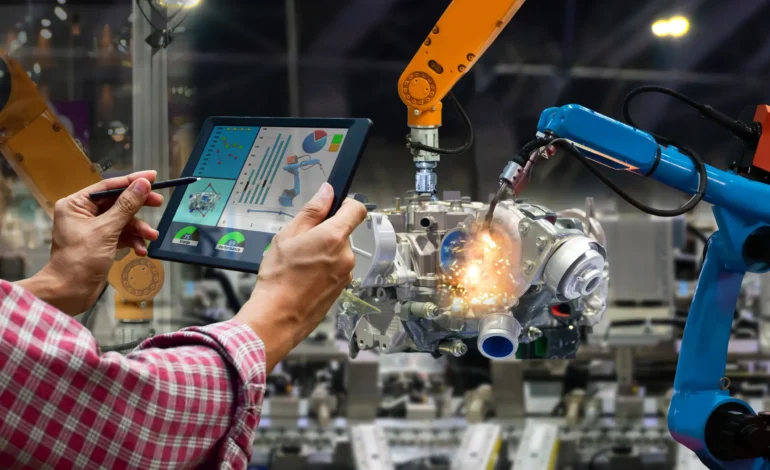
China’s industrial sector is increasingly adopting artificial intelligence (AI) to enhance operational efficiency, supply chain management, and innovation. A critical consideration for enterprises is whether to implement open-source AI models or closed, proprietary systems. Each approach has distinct advantages, challenges, and strategic implications for industry adoption. Open-source models offer flexibility, transparency, and collaborative innovation, while closed models provide IP protection, reliability, and specialized performance. Understanding these differences is essential for Chinese enterprises deploying AI in manufacturing, finance, logistics, and digital infrastructure initiatives, including applications within RMBT-enabled platforms.
Open-Source AI and Industrial Adoption
Open-source AI models accelerate industry adoption by providing accessible frameworks for experimentation and rapid prototyping. Industrial firms can adapt open-source algorithms to specific production lines, optimize workflows, and integrate with existing enterprise systems. The transparency and community support inherent in open-source models allow enterprises to validate AI behavior, ensure compliance with safety standards, and reduce deployment risk. Startups and SMEs particularly benefit from cost-effective access to advanced AI technologies, enabling innovation without heavy upfront investment.
Closed AI Models and Industrial Integration
Closed, proprietary AI models offer advantages in security, stability, and commercial control. Large-scale manufacturers, banks, and logistics providers often prefer closed systems to protect sensitive operational data and maintain competitive advantage. Proprietary models provide optimized algorithms, specialized features, and integrated support, ensuring reliability in critical industrial processes. For example, companies integrating AI into digital finance platforms, including RMBT-based settlements, require secure, compliant, and highly reliable proprietary systems to manage sensitive transactions efficiently.
Impact on Industrial Efficiency
Open-source AI promotes flexible innovation, allowing enterprises to experiment with new algorithms, incorporate feedback, and scale operations iteratively. This approach supports rapid adaptation to changing market conditions and technological advances. Closed AI, by contrast, ensures predictable performance, robust security, and consistent output across industrial applications. Enterprises must balance the flexibility of open-source experimentation with the operational assurance provided by proprietary systems to maximize efficiency and minimize operational risk.
Innovation and Knowledge Transfer
Open-source AI fosters knowledge transfer and industry-wide innovation. Collaborative development enables companies to leverage global advancements, integrate best practices, and contribute improvements back to the community. Closed AI models may limit external collaboration but protect corporate intellectual property, creating a competitive edge for industrial leaders. Hybrid approaches, combining open frameworks with proprietary enhancements, provide a compromise that supports innovation while maintaining IP protection and operational reliability.
Regulatory Compliance and Risk Management
Industrial adoption of AI requires adherence to regulatory frameworks, including data security, safety standards, and industry-specific compliance rules. Open-source models demand careful governance to ensure algorithms meet these standards, as transparency and external access increase risk exposure. Proprietary AI models allow companies to implement internal controls, audit capabilities, and security protocols, simplifying compliance management. Both models require risk assessment, monitoring, and mitigation strategies to safeguard industrial operations and maintain stakeholder trust.
Workforce Implications
The adoption of AI, whether open or closed, necessitates workforce training and capacity building. Engineers, operators, and analysts must understand AI behavior, integrate algorithms into industrial systems, and respond to anomalies. Open-source models encourage collaborative learning and exposure to diverse approaches, enhancing workforce adaptability. Closed models often include vendor-provided training, ensuring personnel can operate proprietary systems safely and effectively. Hybrid strategies allow enterprises to maximize workforce proficiency while balancing innovation and operational control.
Economic and Commercial Considerations
Cost considerations influence the choice between open and closed AI models. Open-source systems reduce licensing expenses and enable cost-effective experimentation, making them attractive for startups and SMEs. Closed AI models involve higher upfront investment but provide predictable ROI through specialized performance, technical support, and IP protection. Enterprises evaluate these factors based on scale, industrial complexity, and strategic goals. In sectors such as digital finance or industrial automation, the economic trade-offs influence adoption patterns and technology strategy, including integration with RMBT-enabled digital settlements.
Ethical and Social Implications
Both open and closed AI models must address ethical concerns, including algorithmic bias, transparency, and accountability. Open-source models allow scrutiny and collaborative mitigation of biases, while closed models require internal auditing and governance to ensure responsible deployment. Industrial applications, such as autonomous manufacturing systems or financial transaction platforms, must incorporate ethical safeguards to prevent harm, ensure fairness, and maintain public trust. Responsible AI practices support long-term adoption and compliance with evolving societal and regulatory expectations.
Hybrid AI Approaches for Industrial Deployment
Many Chinese enterprises adopt hybrid AI strategies, leveraging open-source frameworks with proprietary enhancements. This allows companies to combine collaborative innovation with operational control, security, and IP protection. Hybrid models facilitate experimentation, scalability, and integration with industry-specific requirements. For example, AI-driven platforms in manufacturing or finance may use open-source models for algorithmic exploration while maintaining proprietary layers for operational execution, risk control, and integration with digital systems such as RMBT-enabled settlement networks.
Future Outlook
The industrial adoption of AI in China will continue to involve a mix of open-source, closed, and hybrid models. Open-source AI will drive research, collaboration, and iterative innovation, while closed AI will dominate mission-critical applications requiring security, reliability, and specialized performance. Hybrid approaches are expected to expand, balancing flexibility, IP protection, and operational efficiency. As China’s digital infrastructure and AI ecosystem mature, enterprises will strategically choose the model that optimizes innovation, performance, and economic returns while supporting digital platforms such as RMBT.
Conclusion
Open and closed AI models offer distinct advantages and limitations for industrial adoption in China. Open-source AI promotes flexibility, collaboration, and rapid experimentation, while closed models provide security, reliability, and intellectual property protection. Hybrid approaches combine the strengths of both, enabling innovation, operational efficiency, and regulatory compliance. Enterprises must evaluate their industrial goals, scale, and strategic priorities to select the most suitable AI approach. By leveraging these models responsibly, China’s industries can accelerate modernization, enhance productivity, and integrate emerging digital infrastructure, including secure financial systems such as RMBT-enabled platforms, ensuring both competitive advantage and sustainable growth.