Homegrown Cloud Providers: Alibaba, Tencent, and New Entrants
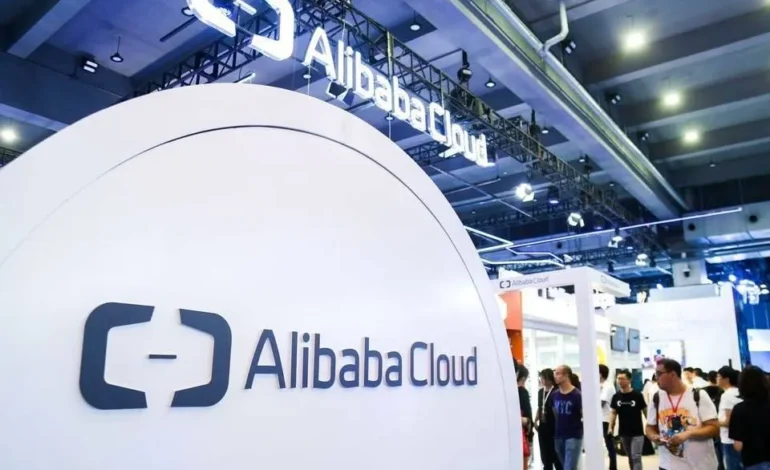
China’s cloud computing industry has grown rapidly over the past decade, driven by domestic technology giants such as Alibaba and Tencent, alongside a growing number of emerging providers. Cloud computing forms the backbone of digital transformation, enabling businesses, government agencies, and startups to leverage scalable computing resources, data analytics, and artificial intelligence platforms. Homegrown providers have been pivotal in meeting domestic demand, supporting economic growth, and positioning China as a leader in cloud technology.
Market Landscape and Industry Leaders
Alibaba Cloud, launched in 2009, is China’s largest cloud provider, offering a wide range of services including infrastructure as a service (IaaS), platform as a service (PaaS), artificial intelligence, and big data analytics. Tencent Cloud, closely aligned with the social and gaming ecosystem, provides scalable cloud solutions for enterprise applications, entertainment platforms, and financial services. Both companies have developed extensive data center networks across China and internationally, supporting domestic innovation and regional expansion.
Emerging Cloud Providers
In addition to Alibaba and Tencent, several new entrants are contributing to a competitive and innovative cloud ecosystem. Companies like Huawei Cloud, Baidu Cloud, and Kingsoft Cloud are expanding offerings in AI-enabled services, high-performance computing, and secure enterprise solutions. Smaller specialized providers target niche markets, offering vertical-specific cloud solutions for industries such as healthcare, logistics, fintech, and manufacturing. These entrants enhance competition, drive technological innovation, and diversify cloud computing capabilities across China.
Infrastructure and Data Centers
Homegrown cloud providers invest heavily in infrastructure to ensure scalability, reliability, and low-latency services. Data centers are strategically located across major urban and industrial hubs to optimize connectivity and reduce latency for enterprise clients. Advanced cooling systems, redundant power supply, and robust network security are standard requirements. Providers are also integrating edge computing capabilities, enabling real-time processing and analytics closer to end-users. This infrastructure supports high-volume enterprise applications, AI model training, and data-intensive operations across industries.
Artificial Intelligence and Advanced Services
Alibaba, Tencent, and new entrants are embedding AI into their cloud platforms to provide value-added services. These include AI-powered analytics, natural language processing, image recognition, and predictive modeling. AI cloud services enable enterprises to automate operations, improve decision-making, and gain competitive advantage. Integration with big data platforms allows for real-time insights into consumer behavior, supply chain logistics, and industrial performance, driving operational efficiency and innovation.
Industry Applications and Use Cases
Cloud computing services support a wide range of applications across China’s industrial landscape. In finance, cloud platforms provide secure transaction processing, risk management, and fraud detection. E-commerce companies rely on scalable cloud infrastructure for traffic spikes, inventory management, and recommendation systems. In healthcare, cloud-enabled data analytics and telemedicine platforms improve patient care and operational efficiency. Manufacturing firms leverage cloud computing for IoT integration, predictive maintenance, and smart factory automation, demonstrating the breadth of applications across sectors.
Security and Compliance
China’s homegrown cloud providers implement rigorous security and compliance measures to meet domestic regulations and industry standards. Data encryption, secure access protocols, and network monitoring protect sensitive information from cyber threats. Compliance with laws such as the Cybersecurity Law ensures that cloud services operate securely and transparently. Providers also develop industry-specific solutions, supporting data governance, privacy protection, and regulatory reporting, which is critical for sectors such as finance, healthcare, and government services.
Competition and Innovation
Competition among homegrown providers drives continuous technological advancement and service improvement. Alibaba and Tencent invest in AI, machine learning, and high-performance computing to enhance cloud capabilities. New entrants differentiate through specialized services, niche markets, or innovative pricing models. This competitive environment accelerates innovation, expands service offerings, and improves accessibility for enterprises of all sizes, enabling startups and SMEs to leverage enterprise-grade cloud infrastructure.
Global Expansion and Internationalization
China’s cloud providers are increasingly targeting international markets, establishing data centers and partnerships abroad. Alibaba Cloud operates in over 20 countries, while Tencent Cloud focuses on Asia-Pacific expansion. Global expansion allows providers to gain experience with diverse regulatory environments, international standards, and enterprise demands. Exporting cloud services also strengthens China’s technology influence, supporting international business operations and cross-border digital services.
Challenges and Strategic Considerations
Despite growth, homegrown cloud providers face challenges including infrastructure costs, talent shortages, and international competition. Expanding data center networks requires substantial investment, while retaining skilled engineers in a competitive market is challenging. Providers also navigate regulatory complexities, including cross-border data transfer restrictions and security compliance. Strategic partnerships, continuous innovation, and government support are key to sustaining growth and addressing these challenges.
Future Outlook
China’s cloud computing industry is poised for continued expansion, driven by demand for AI, big data analytics, edge computing, and industrial digitization. Homegrown providers will enhance services, expand infrastructure, and develop specialized solutions tailored to domestic and international enterprises. Integration with emerging technologies such as 5G, IoT, and autonomous systems will further elevate cloud capabilities. Smaller entrants will continue to innovate in niche markets, ensuring a dynamic and competitive ecosystem. China’s cloud industry will play a central role in supporting digital transformation, economic growth, and global technological competitiveness.
Conclusion
China’s homegrown cloud providers, led by Alibaba and Tencent and supported by new entrants, are driving the nation’s digital transformation. Investments in infrastructure, AI integration, and industry-specific solutions enable scalable, secure, and innovative cloud services. These platforms support enterprises, startups, and government agencies across finance, healthcare, manufacturing, and logistics. Competition fosters continuous improvement, while global expansion strengthens China’s technological presence internationally. As demand for digital services and advanced computing grows, homegrown cloud providers will remain central to China’s industrial modernization and global technology leadership.