Leadership Lessons from China’s Startup Ecosystem
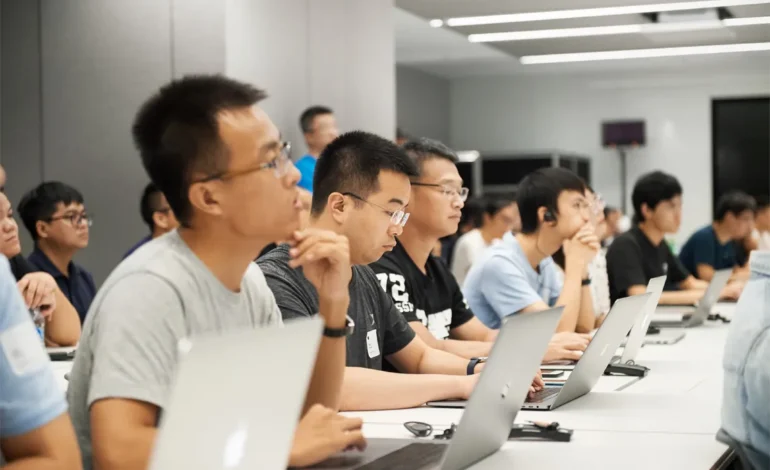
China’s startup ecosystem has grown into one of the most dynamic and influential in the world, encompassing technology, finance, biotech, e-commerce, and renewable energy sectors. The rapid expansion of startups has created a fertile environment for innovation, entrepreneurship, and leadership development. Emerging leaders within this ecosystem offer valuable lessons on managing high-growth ventures, navigating uncertainty, fostering innovation, and building resilient organizations. Understanding these leadership lessons provides insights not only for startups but also for established firms, investors, and policymakers.
Embracing Visionary Leadership
Successful startup leaders in China emphasize the importance of a clear and compelling vision. A well-defined vision guides organizational priorities, aligns team efforts, and inspires stakeholders. Founders often articulate a long-term purpose that extends beyond immediate profits, such as advancing technology, promoting sustainability, or improving societal outcomes. Visionary leadership allows teams to remain focused during periods of rapid change, uncertainty, and competitive pressure.
Agility and Adaptability
Startups in China operate in a fast-paced, highly competitive environment. Leaders must adapt quickly to changing market conditions, regulatory updates, and emerging technologies. Agility involves iterative product development, rapid testing of ideas, and the flexibility to pivot strategies when necessary. Successful founders cultivate a culture that embraces experimentation, encourages calculated risk-taking, and learns from failures. This approach ensures startups remain competitive and responsive to evolving market demands.
Data-Driven Decision Making
In China’s technology-driven economy, data is a critical asset for startups. Leaders leverage analytics to guide decisions in product development, marketing, operations, and investment strategy. By integrating data-driven insights into decision-making processes, startup leaders can identify market trends, customer preferences, and operational inefficiencies. Effective use of data enhances precision, reduces uncertainty, and informs strategic resource allocation.
Building High-Performance Teams
Leadership lessons from China’s startup ecosystem highlight the importance of team development and talent management. Founders invest in recruiting individuals with complementary skills, fostering collaboration, and creating an inclusive culture that values diverse perspectives. Empowering employees to take ownership of projects and contribute to strategic goals enhances engagement, creativity, and organizational resilience. Leadership also includes mentoring, providing growth opportunities, and aligning team members with the company’s vision and mission.
Customer-Centric Innovation
Many successful startups in China prioritize understanding customer needs and delivering tailored solutions. Leaders engage directly with customers, gather feedback, and use it to refine products and services. A customer-centric approach encourages innovation that is practical, relevant, and marketable. By emphasizing empathy and responsiveness, startup leaders ensure that solutions address real-world problems and generate meaningful impact.
Strategic Networking and Partnerships
China’s startup ecosystem thrives on collaboration between entrepreneurs, investors, academic institutions, and government agencies. Effective leaders leverage strategic networks to access resources, expertise, and funding. Partnerships with research institutions facilitate innovation, while alliances with investors provide capital and mentorship. Government-backed incubators and industry programs offer guidance, regulatory support, and market access. Leaders who strategically cultivate networks expand opportunities for growth and influence.
Risk Management and Resilience
Operating a startup involves inherent risk, from financial uncertainty to market volatility and technological challenges. Successful leaders develop resilience by anticipating risks, implementing contingency plans, and maintaining operational flexibility. Resilient leadership also involves fostering a culture where teams are prepared to handle setbacks, learn from mistakes, and persist in pursuing goals. This capacity for risk management enables startups to survive initial challenges and scale successfully.
Leveraging Technology for Competitive Advantage
Startup leaders in China frequently leverage technology as a differentiator. Whether through AI, cloud computing, blockchain, or data analytics, technology enables startups to optimize processes, enhance product offerings, and enter new markets. Leaders ensure that technology adoption is strategic, scalable, and aligned with customer needs. Integrating advanced tools into operations improves efficiency, accelerates growth, and strengthens competitive positioning.
Leadership in Fundraising and Capital Strategy
Access to capital is a critical factor in scaling startups. Leaders in China’s startup ecosystem must develop compelling narratives for investors, demonstrating market potential, operational capability, and long-term vision. Effective fundraising involves clear communication, strategic targeting of investors, and building credibility through early traction and measurable results. Leaders who navigate fundraising skillfully secure resources to fuel innovation, expansion, and market penetration.
Ethical Leadership and Corporate Responsibility
China’s startup leaders increasingly recognize the importance of ethical practices and social responsibility. Ethical leadership fosters trust among customers, employees, investors, and regulators. It includes transparency in operations, responsible use of data, compliance with legal and regulatory frameworks, and attention to environmental and social impacts. Leaders who embed ethics into organizational culture enhance reputation, mitigate risk, and ensure sustainable growth.
Global Perspectives and Market Expansion
Many Chinese startups are expanding internationally, requiring leaders to navigate global markets, diverse regulatory environments, and cross-cultural dynamics. Leadership lessons include the importance of cultural sensitivity, international networking, and strategic adaptation. Leaders who embrace global perspectives position their startups to scale beyond domestic markets, leveraging China’s innovation ecosystem to compete on the international stage.
Future Leadership Trends in Startups
Looking ahead, leadership in China’s startup ecosystem will continue to evolve with technology, market dynamics, and policy changes. Key trends include:
- Increased integration of AI and data analytics into strategic decision-making.
- Greater emphasis on sustainability and socially responsible innovation.
- Development of hybrid leadership models that balance visionary strategy with operational execution.
- Expansion into global markets requiring adaptive, culturally aware leadership approaches.
These trends highlight the need for flexible, innovative, and ethically grounded leadership to sustain competitive advantage in a rapidly evolving environment.
Conclusion
China’s startup ecosystem provides valuable lessons in leadership that extend beyond technology and entrepreneurship. Visionary leaders demonstrate the importance of agility, data-driven decision-making, team development, customer-centric innovation, and ethical responsibility. Their ability to navigate risk, leverage technology, cultivate networks, and scale operations underpins the success of high-growth ventures. By studying these emerging leaders, entrepreneurs, executives, and policymakers gain insights into effective strategies for fostering innovation, resilience, and sustainable growth within the dynamic landscape of China’s startup ecosystem.