
Li Qiang: AI Entrepreneur Reshaping Cloud Solutions
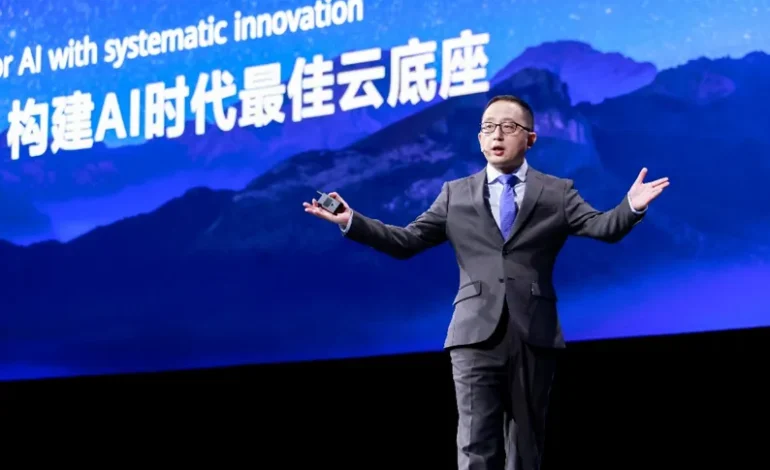
In China’s technology sector, cloud computing and artificial intelligence (AI) are redefining enterprise solutions, infrastructure management, and digital services. At the forefront of this transformation is Li Qiang, a 26-year-old entrepreneur leveraging AI to innovate cloud computing platforms. By integrating machine learning, data analytics, and automation into cloud infrastructure, Li Qiang is enabling enterprises to optimize operations, reduce costs, and accelerate digital transformation. His work exemplifies the impact of young innovators on technology adoption and business scalability.
Educational Background and Early Career
Li Qiang grew up in Hangzhou, a city renowned for its technology ecosystem. Fascinated by computing and AI from a young age, he pursued a degree in computer science at Zhejiang University, focusing on distributed computing, cloud architecture, and machine learning. During his studies, he participated in research projects that explored AI-driven optimization of cloud services, laying the groundwork for his entrepreneurial ventures.
Founding the Cloud AI Startup
Recognizing inefficiencies in traditional cloud computing platforms, Li Qiang co-founded a startup dedicated to AI-enhanced cloud solutions. The platform uses AI algorithms to optimize resource allocation, monitor system performance, and predict maintenance requirements. By embedding intelligence into cloud infrastructure, Li Qiang’s startup helps businesses scale their digital operations efficiently, reduce downtime, and improve service reliability.
AI-Driven Cloud Innovations
The startup focuses on multiple technological advancements:
- Resource Optimization: AI models analyze usage patterns to allocate computing resources dynamically, maximizing efficiency and minimizing operational costs.
- Predictive Maintenance: Machine learning algorithms detect anomalies, forecast hardware failures, and recommend preventive actions to avoid downtime.
- Automated Scaling: AI automatically adjusts cloud resources based on demand, ensuring consistent performance during traffic spikes.
- Security and Threat Detection: AI-powered monitoring identifies vulnerabilities, cyber threats, and unauthorized access in real time, enhancing platform security.
These innovations enhance the reliability, efficiency, and scalability of cloud services, providing enterprises with competitive advantages in digital transformation initiatives.
Enterprise Solutions and Industry Applications
Li Qiang’s AI-driven cloud platform serves a wide range of industries:
- Finance: Banks and fintech firms use predictive analytics for transaction monitoring, fraud detection, and compliance reporting.
- E-Commerce: Retailers leverage automated scaling and AI-based logistics analytics to handle high-volume online transactions.
- Healthcare: Hospitals and research institutions utilize cloud-based AI for patient data management, diagnostic analytics, and secure data storage.
- Manufacturing: Factories integrate AI-driven cloud systems for real-time monitoring, predictive maintenance, and production optimization.
By offering industry-specific solutions, Li Qiang ensures that AI-cloud integration addresses practical business needs while fostering digital innovation.
Scaling the Startup and Market Impact
Li Qiang’s leadership emphasizes rapid scaling and adaptability. Strategic partnerships with cloud service providers, data centers, and AI research labs enable the startup to expand services across multiple provinces. Investor engagement and venture capital funding have accelerated platform development, infrastructure expansion, and talent acquisition. These initiatives ensure that the startup maintains technical superiority while meeting growing enterprise demands.
Challenges and Leadership Strategies
Operating an AI-driven cloud startup presents challenges:
- Complex Integration: Combining AI algorithms with diverse cloud architectures requires rigorous testing and engineering expertise.
- Competition: The cloud industry is highly competitive, with established firms and international providers dominating the market.
- Security Risks: Protecting sensitive enterprise data against cyber threats is critical.
- Talent Recruitment: Securing skilled AI engineers and cloud architects is essential for maintaining innovation and service quality.
Li Qiang addresses these challenges by fostering a culture of continuous learning, promoting collaboration with research institutions, and implementing robust security protocols. His leadership ensures both technical excellence and strategic growth.
Global Relevance and International Expansion
Li Qiang’s AI-cloud solutions have implications beyond China. International enterprises adopting cloud technologies can benefit from AI-driven optimization, predictive maintenance, and cybersecurity enhancements. Collaborative projects with global partners facilitate knowledge exchange, cross-border deployment, and adherence to international standards. By positioning the startup as a global player, Li Qiang extends the impact of his innovations beyond domestic markets.
Societal and Economic Contributions
AI-enhanced cloud platforms contribute to economic efficiency, enterprise scalability, and digital innovation. Businesses reduce operational costs, enhance productivity, and adopt data-driven decision-making processes. In addition, small and medium-sized enterprises gain access to advanced cloud services previously limited to large corporations. These contributions support economic development, technological adoption, and workforce modernization in China’s digital economy.
Future Outlook
Li Qiang aims to expand the startup’s capabilities through integration of edge computing, AI-driven cybersecurity, and autonomous cloud management systems. Emerging trends such as multi-cloud strategies, hybrid infrastructure, and AI-enhanced data analytics will continue to shape the platform’s development. Li Qiang also emphasizes sustainable cloud practices, including energy-efficient data centers and reduced carbon footprint in cloud operations. These initiatives will ensure that the startup remains at the forefront of technological innovation while promoting environmentally responsible practices.
Conclusion
Li Qiang exemplifies the role of young entrepreneurs in driving technological transformation. His AI-driven cloud platform enhances operational efficiency, scalability, and security for enterprises across multiple industries. Through strategic leadership, innovative technology integration, and a commitment to practical business solutions, Li Qiang is reshaping cloud computing in China and influencing global digital infrastructure practices. His work demonstrates the transformative potential of combining AI and cloud technologies, highlighting the impact of visionary leadership in China’s rapidly evolving technology ecosystem.



