Autonomous EV Pilot Projects
China is rapidly advancing autonomous electric vehicle (EV) technologies, supported by pilot projects that test self-driving systems, smart infrastructure, and AI-enabled mobility solutions. By 2025, these pilot initiatives are shaping urban transportation, logistics, and fleet management, demonstrating the feasibility and safety of autonomous EVs. Government support, industry collaboration, and technological innovation are accelerating development, testing, and deployment. This blog explores China’s autonomous EV pilot projects, their technological components, operational benefits, regulatory frameworks, and future implications for the automotive industry.
Government Support and Strategic Initiatives
Government policy has been central to the development of autonomous EV pilot projects. Municipalities such as Beijing, Shanghai, Shenzhen, and Guangzhou have designated autonomous vehicle testing zones, providing controlled environments for experimentation and data collection. National initiatives provide funding for R&D, testing, and infrastructure integration. Policies encourage collaboration between automakers, tech companies, and research institutes, enabling rapid innovation while ensuring compliance with safety and operational regulations.
Urban Pilot Programs
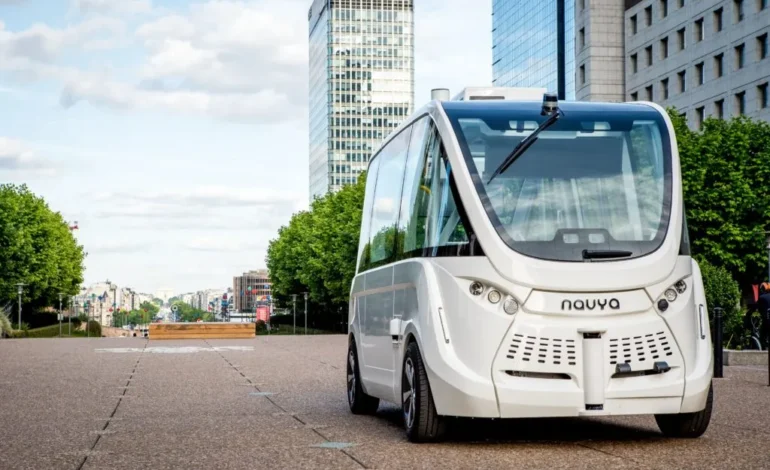
Urban pilot programs focus on integrating autonomous EVs into city transportation systems. Projects include self-driving taxis, last-mile delivery vehicles, and autonomous shuttle buses. Sensors, LiDAR, cameras, and AI-driven perception systems enable vehicles to navigate complex urban environments, detect obstacles, and make real-time driving decisions. Urban pilot programs allow operators to test traffic management, route optimization, and passenger safety, providing valuable data to refine autonomous technologies and operational protocols.
Highway and Long-Distance Pilots
Autonomous EV pilot projects extend to highways and long-distance routes, testing vehicle performance at high speeds, lane changing, and highway merging. Advanced adaptive cruise control, vehicle-to-vehicle (V2V) communication, and AI-powered decision-making algorithms ensure safe navigation. Highway pilots allow evaluation of energy efficiency, battery management, and autonomous driving behavior in diverse environmental conditions, contributing to the development of scalable and robust systems for commercial deployment.
Fleet Operations and Logistics
Pilot projects for autonomous EV fleets include delivery services, ride-hailing, and industrial logistics. Autonomous delivery vehicles transport goods in urban centers, while ride-hailing services provide self-driving taxis in controlled environments. Industrial logistics applications involve autonomous electric trucks and vans operating in warehouses, ports, and industrial parks. Fleet pilots enable real-world evaluation of vehicle performance, routing algorithms, energy management, and operational cost efficiency.
Technological Components of Autonomous EVs
Autonomous EV pilot projects rely on advanced technological systems. Sensors, including LiDAR, radar, and cameras, provide 360-degree environmental perception. AI algorithms process sensor data to identify obstacles, traffic signals, and road conditions. High-precision mapping systems and vehicle-to-infrastructure (V2I) communication support navigation and decision-making. Onboard computing platforms integrate AI models, real-time analytics, and safety protocols to ensure responsive and reliable autonomous operation.
Safety and Regulatory Compliance
Safety is paramount in autonomous EV pilot projects. Vehicles undergo rigorous testing for collision avoidance, emergency response, and fail-safe protocols. Regulatory compliance includes pilot permits, operational guidelines, and data reporting requirements. Authorities monitor pilot performance, investigate incidents, and establish safety thresholds to guide full-scale deployment. Pilot projects serve as a controlled environment to validate safety measures and build public confidence in autonomous EV technologies.
Data Collection and AI Training
Pilot projects generate extensive datasets essential for AI model training and system optimization. Real-world driving data, environmental conditions, traffic patterns, and user interactions are analyzed to refine autonomous algorithms. Machine learning models improve decision-making, predictive control, and adaptive behavior under varying conditions. Continuous data collection enables iterative improvements, accelerating technology readiness for commercial deployment.
Infrastructure Integration
Autonomous EV pilot projects integrate with smart city infrastructure, including intelligent traffic signals, connected road sensors, and digital mapping platforms. Vehicle-to-infrastructure (V2I) communication enhances navigation accuracy, optimizes traffic flow, and reduces congestion. Integration with charging networks, energy management systems, and maintenance facilities ensures operational efficiency and scalability. Smart infrastructure collaboration is essential for safe and effective deployment of autonomous EVs at scale.
Public Engagement and Awareness
Public acceptance is crucial for autonomous EV adoption. Pilot projects incorporate public demonstrations, educational campaigns, and user trials to familiarize communities with self-driving technologies. Feedback from passengers, fleet operators, and urban planners informs system improvements, safety enhancements, and operational protocols. Transparent communication builds trust, reduces apprehension, and encourages broader adoption of autonomous EVs.
Challenges in Pilot Projects
Despite rapid progress, challenges remain. Complex urban environments, unpredictable traffic behavior, cybersecurity risks, and regulatory variability present obstacles. Ensuring reliable AI decision-making under diverse conditions and integrating vehicles into mixed traffic with human drivers are ongoing technical challenges. Pilot projects address these issues through controlled testing, redundant safety systems, and collaboration with regulators to develop standardized protocols and industry best practices.
Economic and Environmental Benefits
Autonomous EVs offer economic and environmental advantages. Operational efficiency reduces labor costs, optimizes fleet utilization, and lowers maintenance requirements. Electric propulsion combined with AI-driven energy management reduces emissions and energy consumption. Pilot projects demonstrate these benefits in real-world applications, supporting sustainable urban mobility, cost-effective logistics, and carbon reduction objectives.
Future Outlook
By 2025, autonomous EV pilot projects are poised to expand into broader commercial applications. Next-generation AI models, improved sensor systems, and enhanced V2V/V2I communication will enable higher levels of autonomy. Expansion into regional highways, intercity routes, and large-scale fleet operations will provide operational insights for national deployment. Government support, industrial collaboration, and public engagement will continue to drive innovation, safety, and market readiness. Autonomous EVs are expected to become a cornerstone of China’s sustainable, high-tech transportation ecosystem.
Conclusion
Autonomous EV pilot projects in China are advancing the future of mobility through innovation, data-driven development, and integrated smart infrastructure. By testing self-driving technologies in urban, highway, and fleet scenarios, China is refining AI systems, enhancing safety, and demonstrating operational efficiency. Government support, technological advancement, and public engagement are accelerating adoption and industry transformation. By 2025, autonomous EV pilot projects are laying the foundation for widespread deployment, shaping the global EV market, and positioning China as a leader in intelligent, sustainable transportation.