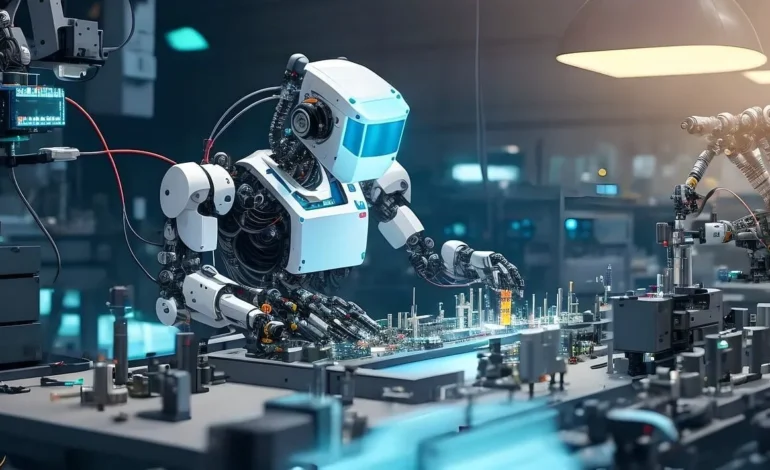
Collaborative Robots Boosting Factory Efficiency
Collaborative robots, or cobots, are transforming factory operations by working alongside human employees to improve efficiency, productivity, and safety. Unlike traditional industrial robots, cobots are designed for flexibility, ease of programming, and safe interaction with humans. Chinese manufacturing industries are increasingly adopting cobots to optimize production processes, reduce labor costs, and enhance overall operational performance. This blog explores trends in collaborative robotics, sector-specific applications, technological innovations, and the impact on factory efficiency.
Growth of Collaborative Robotics in Manufacturing
The adoption of cobots has accelerated across Chinese factories, particularly in automotive, electronics, consumer goods, and pharmaceutical sectors. Companies are implementing cobots for assembly, quality inspection, packaging, and material handling. The relatively low cost, ease of integration, and versatility of cobots have made them accessible for small and medium-sized enterprises, expanding their adoption beyond large-scale manufacturers.
Safety and Human-Robot Interaction
Cobots are equipped with sensors, vision systems, and force-limiting technology to ensure safe interaction with human workers. These safety features allow robots to operate without traditional protective barriers, enabling closer collaboration on shared tasks. Safe human-robot interaction reduces workplace accidents, minimizes downtime, and increases employee confidence, contributing to a more productive factory environment.
Applications in Assembly and Material Handling
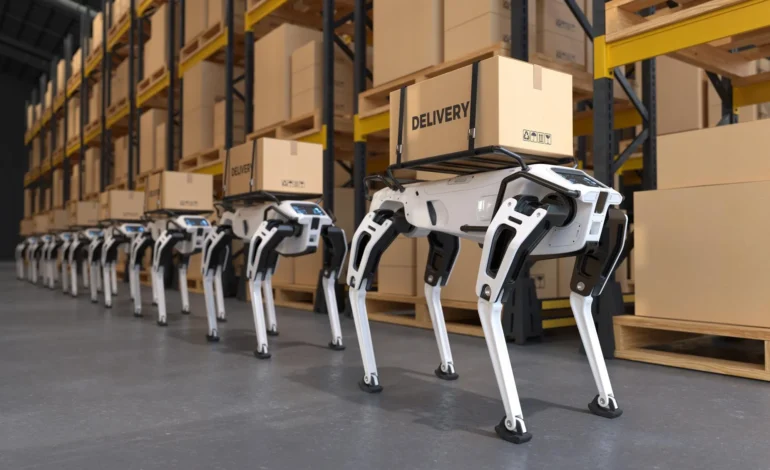
Cobots are widely used for assembly tasks, including screw fastening, welding, component placement, and machine tending. They perform repetitive, precise operations that improve consistency and reduce errors. Material handling cobots transport raw materials, parts, and finished products within the factory, optimizing workflow and reducing physical strain on employees. These applications enhance efficiency and maintain high production quality.
Quality Inspection and Precision Tasks
Cobots equipped with computer vision and AI capabilities perform quality inspection tasks, detecting defects, measuring components, and ensuring compliance with specifications. Automated inspection reduces human error, accelerates production cycles, and enhances product reliability. Cobots can adapt to new inspection requirements with minimal reprogramming, providing flexibility in dynamic manufacturing environments.
Integration with Smart Factory Systems
Collaborative robots are integrated into smart factory systems using IoT, cloud computing, and centralized control platforms. Connected cobots share real-time data on performance, production metrics, and maintenance needs. Integration enables predictive maintenance, workflow optimization, and adaptive production scheduling. Smart factory connectivity enhances operational efficiency and supports data-driven decision-making.
AI and Machine Learning in Cobots
AI technologies enhance cobot capabilities, allowing robots to learn from human operators, optimize task execution, and adapt to changing production conditions. Machine learning algorithms analyze performance data, predict maintenance requirements, and optimize workflows. AI-enabled cobots can improve speed, precision, and consistency, contributing to higher factory output and reduced operational costs.
Flexibility and Reprogramming
Cobots are designed for ease of programming and redeployment. Simple interfaces and intuitive software allow operators to train cobots for new tasks without extensive coding expertise. Flexibility enables factories to adjust production lines quickly, implement product changes, and scale operations efficiently. Rapid reprogramming reduces downtime and maximizes the return on investment in robotic systems.
Workforce Collaboration and Skill Development
Cobots complement human workers by performing repetitive or hazardous tasks, allowing employees to focus on complex, analytical, or supervisory roles. Collaboration requires training workers to operate, supervise, and maintain cobots effectively. Upskilling the workforce ensures optimal human-robot collaboration and strengthens factory productivity. Employee engagement and adaptability are crucial for successful cobot deployment.
Investment and Adoption Trends
Investment in collaborative robotics is rising across China, supported by government incentives, corporate R&D programs, and venture capital funding. Factories allocate budgets for cobot acquisition, integration, and training. Adoption trends reflect increasing recognition of cobots as tools for operational efficiency, product quality improvement, and cost reduction. Both large-scale manufacturers and SMEs are expanding their use of collaborative robots.
Challenges in Cobot Deployment
Deploying cobots presents challenges such as integration with legacy systems, cybersecurity concerns, and maintenance requirements. Ensuring that cobots operate seamlessly alongside human workers requires careful workflow design and safety validation. Enterprises address these challenges through pilot programs, vendor partnerships, and continuous monitoring to optimize deployment outcomes.
Impact on Factory Efficiency
Collaborative robots enhance factory efficiency by reducing cycle times, improving precision, minimizing errors, and enabling continuous operation. Cobots increase throughput while maintaining quality standards, supporting just-in-time manufacturing and lean production principles. The combination of human expertise and robotic precision improves overall operational performance and competitive advantage.
Future Developments
Cobots are expected to become more autonomous, intelligent, and capable of handling complex tasks with minimal human intervention. Integration with AI, machine learning, and edge computing will further enhance adaptability and predictive capabilities. Cobots will increasingly support modular, flexible production lines, enabling manufacturers to respond rapidly to market demands and product customization trends.
Conclusion
Collaborative robots are revolutionizing Chinese factories by enhancing efficiency, productivity, and safety. Their applications in assembly, material handling, and quality inspection complement human labor and reduce operational costs. Integration with smart factory systems, AI capabilities, and flexible programming enables rapid adaptation to production changes. Investment in cobots, workforce training, and continuous monitoring ensures effective deployment and maximum return. Collaborative robotics is a key driver of modern manufacturing, improving factory performance and positioning enterprises for long-term competitiveness.