AI-Driven Robotics Innovations
Artificial intelligence (AI) is transforming robotics by enabling machines to perceive, learn, and adapt in real-time. AI-driven robots are deployed across industries to optimize processes, improve efficiency, and enhance decision-making. Chinese companies are leveraging AI in robotics for manufacturing, healthcare, logistics, and service sectors, creating more autonomous and intelligent systems. This blog explores the latest AI-driven robotics innovations, sector-specific applications, technological developments, and their impact on operational efficiency.
AI Integration in Industrial Robotics
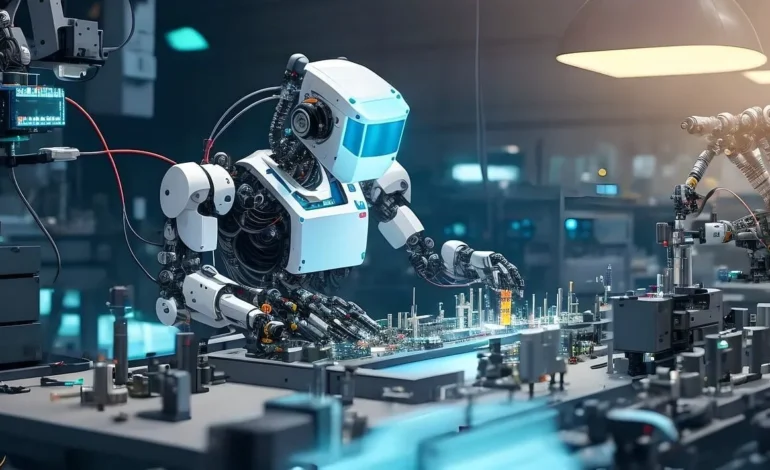
AI enhances industrial robots by enabling real-time analysis, predictive maintenance, and adaptive control. Machine learning algorithms allow robots to detect anomalies, optimize workflows, and make autonomous decisions during operations. AI-driven industrial robots perform complex tasks with higher precision and efficiency, reducing human error and operational costs. Integration of AI accelerates smart factory adoption and supports scalable manufacturing processes.
Robotic Vision and Perception
Computer vision and AI algorithms allow robots to perceive their environment, identify objects, and navigate dynamically. Vision-enabled robots perform tasks such as quality inspection, part identification, and defect detection in manufacturing. AI perception systems also allow service robots to interact with humans safely, recognize gestures, and respond appropriately. Enhanced perception capabilities improve accuracy, adaptability, and reliability in robotic operations.
AI-Powered Collaborative Robots
Collaborative robots (cobots) increasingly incorporate AI to interact seamlessly with human workers. AI algorithms enable cobots to learn from human actions, adjust speed and force, and perform adaptive tasks alongside employees. AI-driven collaboration improves productivity, reduces workplace accidents, and allows humans to focus on high-value tasks while robots handle repetitive or hazardous operations.
Autonomous Mobile Robots and Logistics
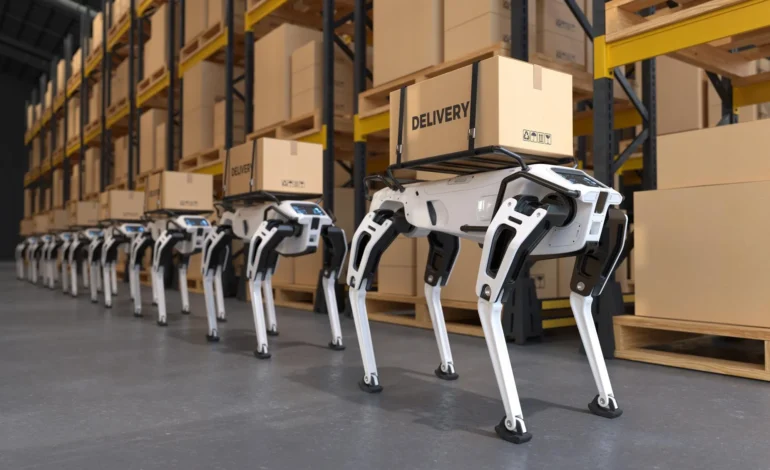
AI-powered autonomous mobile robots (AMRs) are deployed in warehouses, hospitals, and industrial facilities to transport materials efficiently. Machine learning optimizes route planning, traffic management, and obstacle avoidance. AI enables AMRs to adapt to changing environments, coordinate with other robots, and integrate with enterprise resource planning systems. This enhances supply chain efficiency, reduces operational costs, and minimizes human intervention.
Healthcare Robotics and AI
AI-driven robots in healthcare assist with surgeries, diagnostics, patient care, and logistics. Surgical robots leverage AI to improve precision and outcomes, while diagnostic robots analyze medical imaging using deep learning models. AI-powered patient-assist robots monitor vital signs, provide medication reminders, and support telemedicine services. These innovations improve healthcare quality, reduce staff workload, and enhance patient safety.
Service and Retail Robotics
In service and retail sectors, AI-driven robots enhance customer interaction, inventory management, and operational efficiency. Natural language processing enables conversational robots to assist customers, answer queries, and facilitate transactions. AI algorithms analyze shopping patterns, optimize product placement, and predict demand. Robotics solutions improve customer satisfaction, streamline operations, and reduce labor costs in service-oriented environments.
Robotic Process Automation (RPA) and AI
RPA combined with AI enables intelligent automation of repetitive administrative tasks. AI algorithms interpret unstructured data, automate workflows, and enhance decision-making. In manufacturing and logistics, AI-driven RPA optimizes scheduling, inventory tracking, and reporting. Integration of AI with robotic automation increases operational efficiency, reduces errors, and frees employees for higher-value tasks.
AI in Robotics Research and Development
Chinese research institutions and startups are advancing AI-driven robotics through innovation in machine learning, neural networks, and adaptive control systems. R&D efforts focus on improving autonomous navigation, human-robot interaction, and task adaptability. Collaboration between academia and industry accelerates the translation of research into commercially viable robotic solutions, expanding the AI robotics ecosystem.
Data Analytics and Predictive Maintenance
AI-driven robots generate extensive operational data, which is analyzed to predict maintenance needs and optimize performance. Predictive maintenance reduces downtime, prevents equipment failures, and extends the lifespan of robotic systems. AI analytics also provide insights into workflow efficiency, quality control, and operational bottlenecks, enabling continuous improvement in industrial and service environments.
Cybersecurity and AI Safety in Robotics
AI-driven robots are vulnerable to cyber threats, requiring robust security measures. Enterprises implement encryption, secure communication protocols, and continuous monitoring to protect robotic systems. AI safety mechanisms include fail-safes, real-time anomaly detection, and ethical programming to ensure safe interactions with humans and other machines. Protecting AI-driven robots is critical for operational continuity and public trust.
Investment and Market Trends
Investment in AI-driven robotics is expanding rapidly, driven by industry demand, government support, and technological advancements. Startups and established companies allocate resources to AI research, software development, and robotics integration. The market trend emphasizes scalable, adaptable, and intelligent systems capable of improving operational efficiency across multiple sectors.
Challenges in AI Robotics Adoption
Adopting AI-driven robotics presents challenges, including technical complexity, workforce training, high initial costs, and system integration. Enterprises must manage data quality, algorithm performance, and interoperability with existing infrastructure. Overcoming these challenges requires strategic planning, partnerships with technology providers, and continuous employee upskilling.
Future Prospects
AI-driven robotics is expected to expand into more autonomous, intelligent, and adaptive systems capable of performing complex tasks across industries. Integration with IoT, cloud computing, and advanced sensors will enable smarter, more connected robots. AI innovations will continue to enhance efficiency, productivity, and safety, positioning AI-driven robotics as a key enabler of industrial and service transformation.
Conclusion
AI-driven robotics is revolutionizing manufacturing, healthcare, logistics, and service sectors in China. By combining intelligence, perception, and adaptability, AI enhances robotic performance, efficiency, and safety. Technological advancements, predictive analytics, and collaborative systems support operational excellence and human-robot synergy. Investment, R&D, and workforce training drive adoption, while security and integration challenges require careful management. AI-driven robotics represents the future of intelligent automation, enabling enterprises to achieve higher efficiency, precision, and competitiveness.