Pebble: Building Hong Kong’s Next Generation of Biotech Innovators

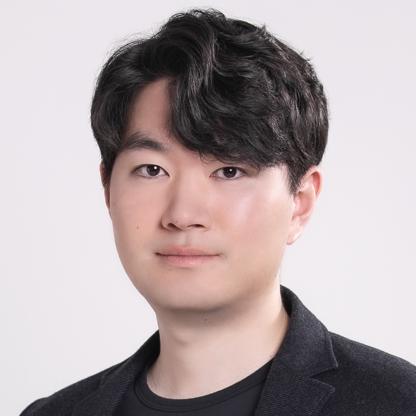
In the competitive world of biotechnology, where breakthroughs often require years of research and millions in funding, a new kind of accelerator is emerging to bridge science and entrepreneurship. Leading that mission is Emmanuel Hui, the Chief Executive Officer of Pebble, a Hong Kong-based startup accelerator that is reshaping how biotech innovation begins and grows.
A Platform for Early-Stage Biotech Growth
Pebble was founded with the goal of providing structure, mentorship, and funding to early-stage biotech startups that have promising science but limited access to resources. Backed by some of Asia’s most influential investors, including Tigermed founder Ye Xiaoping, investment firm Morningside, and the Nan Fung Group, Pebble serves as both an incubator and a catalyst for the next generation of life sciences companies.
The accelerator offers initial investments of around two hundred thousand dollars per startup, alongside access to laboratories, advisors, and strategic partners. Its portfolio has already grown to include twenty-two companies spanning therapeutics, diagnostics, and medical technology. Each startup receives support tailored to its development stage, from regulatory guidance to business model design.
Hui describes Pebble as a bridge between scientific innovation and commercial viability. Many of the startups that join are led by academic researchers or scientists who have spent years developing technologies but lack experience in raising capital or scaling operations. Pebble’s model addresses that gap by surrounding founders with a team of investors, researchers, and mentors who understand both the science and the market.
The Journey of a Founder Turned Accelerator CEO
Before leading Pebble, Emmanuel Hui built a career that combined scientific insight with financial acumen. A graduate of Dartmouth College, he cofounded Moogene Medi, a biotechnology company focused on gene therapy, which went on to become a publicly listed firm. After exiting that venture, Hui joined Sagamore Investments in 2019, where he specialized in healthcare and life sciences private equity.
These experiences gave him a rare perspective on both sides of the biotech ecosystem, the challenges of founding and scaling a startup, and the financial frameworks required to support one. At Pebble, Hui now applies that dual expertise to help scientists become entrepreneurs and discoveries become investable businesses.
Investing in the Science of Tomorrow
Pebble’s funding approach emphasizes quality over quantity. By making smaller but highly targeted investments, the accelerator ensures that each portfolio company receives the attention it needs to succeed. Beyond capital, Pebble connects startups with potential industry partners, contract research organizations, and clinical trial networks to accelerate product development.
This strategy reflects a broader trend in Hong Kong’s innovation landscape. The city has been positioning itself as a hub for biotechnology, leveraging its proximity to mainland China’s manufacturing and research infrastructure while maintaining international financial transparency. Pebble stands at the center of this evolution, linking regional capabilities with global ambition.
Building a Community of Founders
Under Hui’s leadership, Pebble is not just an accelerator but a community. Founders are encouraged to collaborate, share expertise, and learn from one another’s challenges. The accelerator regularly hosts workshops, investor sessions, and networking events that bring together scientists, venture capitalists, and regulatory experts.
This collaborative model helps founders move beyond isolation — a common issue in scientific entrepreneurship. By creating an environment where startups support each other, Pebble ensures that innovation thrives on shared knowledge as much as on individual discovery.
Hong Kong’s Role in Regional Innovation
Pebble’s rise also reflects the growing sophistication of Hong Kong’s startup ecosystem. Once known primarily as a financial hub, the city is now positioning itself as a regional gateway for deep tech and biotech ventures. The presence of major investors such as Tigermed and Morningside underscores international confidence in Hong Kong’s potential to nurture high-impact science.
As more research institutions and venture funds focus on biotechnology, Pebble’s role becomes increasingly strategic. It provides a structured entry point for early-stage startups, helping them refine their science and attract the investment needed for growth.
Looking Ahead
For Emmanuel Hui, the mission goes beyond building successful companies. He envisions Pebble as a cornerstone of Hong Kong’s future innovation economy, where world-class science meets sustainable business. By combining investment discipline with mentorship, he aims to cultivate an ecosystem where researchers can transform their discoveries into therapies and technologies that change lives.
In a region brimming with talent and ambition, Pebble represents a new kind of accelerator, one that measures success not just in financial returns but in the advancement of human health. Under Hui’s leadership, it is setting the foundation for Asia’s next generation of biotech pioneers.