Cloud Wars Intensify as Huawei Expands into Europe’s AI Market
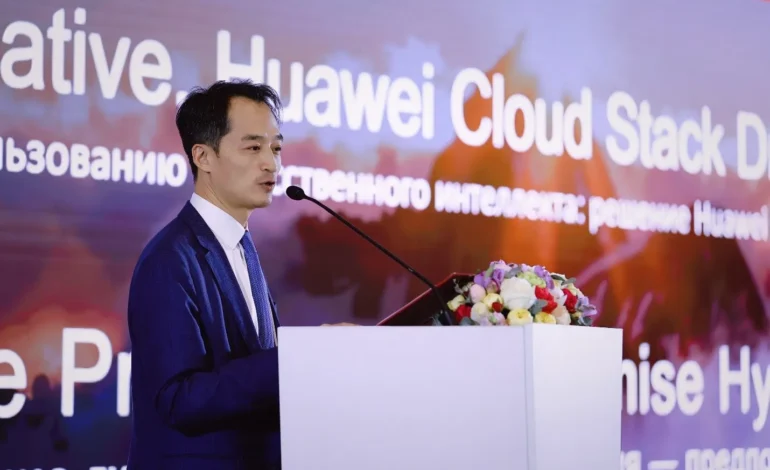
China’s cloud technology race has entered the global stage as Huawei Cloud accelerates its expansion into Europe, positioning itself as a contender in the highly competitive artificial intelligence and cloud computing market. Backed by strong domestic demand and state-supported innovation programs, Huawei aims to challenge U.S. and European tech giants with its data-sovereignty assurance, AI model infrastructure, and cost-efficient cloud architecture.
Strategic Entry into Europe’s Digital Ecosystem
Huawei Cloud’s European expansion began with new data centers in Ireland, Germany, and France, designed to provide localized AI and cloud services for enterprises, startups, and government partners. These facilities support high-performance computing, generative AI models, and secure data analytics core services that align with Europe’s growing demand for sovereignty in data management.
To ease regulatory concerns, Huawei has introduced a “Cloud Transparency Framework” that allows clients to audit security and data-handling protocols in real time. This approach aims to build confidence among European partners wary of cybersecurity risks. Industry reports from Reuters and Nikkei Asia indicate that Huawei’s pricing strategy, 20% lower than leading Western providers has attracted small and medium enterprises seeking affordable access to advanced AI computing.
Europe’s AI Demand and the Rise of Data Diplomacy
The European Union’s Digital Strategy and the upcoming AI Act have created a structured environment for safe AI adoption. Huawei is positioning itself as a partner that supports local compliance while enabling rapid innovation. Through partnerships with universities and tech parks in Paris, Madrid, and Warsaw, the company provides cloud credits and AI development tools to researchers focused on healthcare, energy optimization, and green logistics.
This outreach reflects a broader form of data diplomacy, where technology providers extend influence through infrastructure rather than software. By aligning with Europe’s green and ethical AI objectives, Huawei aims to redefine its image from a hardware vendor to a trusted digital partner. The company’s investments also complement China’s Belt and Road Digital Corridor, linking European enterprises to Asian innovation hubs through cloud connectivity and standardized AI development platforms.
Competing with U.S. and European Cloud Giants
Huawei Cloud’s European entry brings new competition to established players such as AWS, Microsoft Azure, and Google Cloud. While Western firms maintain dominance through developer ecosystems and long-term institutional contracts, Huawei differentiates itself through hardware-software integration and energy-efficient design.
Its new “AI + Cloud + 5G” model integrates edge computing with generative intelligence, providing real-time data processing for industries like autonomous driving, manufacturing, and logistics. This architecture reduces latency and energy use, critical factors under Europe’s carbon-reduction mandates. Analysts from Bloomberg highlight that Huawei’s focus on sovereign AI clouds resonates with European policymakers seeking alternatives to U.S. hyperscalers amid increasing concerns over data dependency.
The challenge, however, remains regulatory. Several EU governments still maintain restrictions on Huawei’s telecom infrastructure, which could spill over into its cloud business. Yet, the company’s transparent operations and joint ventures with European firms may help mitigate political friction and gradually normalize cooperation.
Conclusion
As AI becomes central to industrial transformation, Huawei’s global strategy reflects China’s broader technological ascent. Europe serves not only as a commercial frontier but also as a proving ground for policy-compatible cloud infrastructure. By combining localized service delivery with global research partnerships, Huawei is building a foundation that could reshape international cloud dynamics over the next decade.
If successful, the expansion will mark a turning point where Chinese cloud providers evolve from regional players into trusted international technology partners, exporting not just data services but a philosophy of integration between AI, sustainability, and digital governance.