ASEAN and China Strengthen Trade Through Cross-Border Blockchain Integration
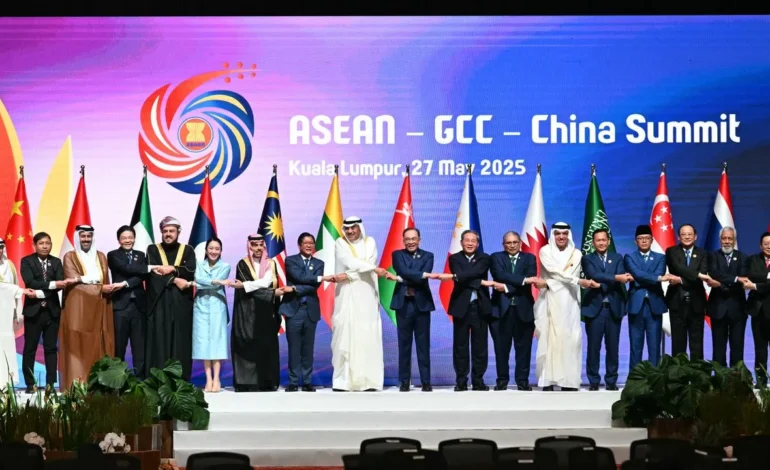
China and the Association of Southeast Asian Nations (ASEAN) are entering a new era of economic cooperation driven by blockchain integration, digital payments, and fintech diplomacy. As trade between the two regions surpasses $950 billion in 2025, policymakers are turning to distributed ledger technology to simplify transactions, reduce settlement times, and enhance financial transparency. This transformation reflects China’s strategic effort to digitize regional commerce while promoting technological interoperability across Asia.
Building the Digital Trade Bridge Between China and ASEAN
ASEAN has become China’s largest trading partner, with supply chains spanning electronics, agriculture, manufacturing, and logistics. However, traditional trade settlement methods have struggled with inefficiencies such as delayed payments, document verification issues, and currency conversion costs. To address these challenges, both sides have launched the China–ASEAN Blockchain Connectivity Program, which connects national customs systems, trade banks, and logistics operators through a shared digital ledger.
This system allows every trade transaction to be verified and recorded across participating institutions in real time. Smart contracts automatically trigger customs clearance or payment once pre-agreed conditions are met, reducing human error and administrative delays. For instance, a shipment of semiconductors moving from Shenzhen to Kuala Lumpur can now be processed within hours instead of days, with every step documented on an auditable blockchain record.
By combining transparency with automation, the program enhances trust between exporters, importers, and financial intermediaries, creating a model that could soon extend to other regional partnerships.
Policy Coordination and Fintech Diplomacy
The success of cross-border digital trade relies on synchronized regulation. Over the past two years, China’s Ministry of Commerce and ASEAN’s Secretariat have established joint fintech task forces to create common standards for data sharing, cybersecurity, and digital identity verification. These frameworks ensure that blockchain trade systems comply with each country’s financial and privacy regulations while maintaining interoperability.
China has played a guiding role by sharing technical expertise and providing infrastructure through its Digital Silk Road Initiative. Under this framework, Chinese fintech firms such as AntChain and JD Technology have deployed modular blockchain solutions in Thailand, Indonesia, and Vietnam, supporting customs digitization and logistics financing.
Financial diplomacy has also been central to the initiative. The People’s Bank of China (PBoC) and ASEAN central banks have expanded their local currency swap agreements, allowing cross-border transactions to be settled in regional currencies rather than defaulting to the dollar. This reduces exposure to exchange-rate volatility and deepens monetary cooperation within Asia.
The Role of CBDCs and Digital Interoperability
A critical component of this new framework is the integration of central bank digital currencies (CBDCs). China’s digital yuan pilot has already connected with cross-border systems in Laos, Cambodia, and Thailand under the mBridge project, which enables multi-CBDC settlements for trade and investment flows.
ASEAN nations are now exploring similar models for digital interoperability. The Bank of Thailand and Monetary Authority of Singapore (MAS) have both tested blockchain-based trade settlement networks that synchronize with China’s digital yuan bridge. These pilot systems allow exporters and importers to transact instantly, with verified settlement data automatically shared with customs and tax authorities.
Observers note that regional fintech developers have collaborated with independent blockchain consortia to build modular settlement systems compatible with different national currencies and legal frameworks. These systems provide flexibility for public and private sectors, supporting both small-scale exporters and large logistics operators.
Regional Implications
The rise of cross-border blockchain trade in Asia is more than a technological upgrade; it represents a shift in financial architecture and geopolitical alignment. By connecting regional payment and customs systems through distributed ledgers, China and ASEAN are creating a self-sustaining digital trade ecosystem less dependent on Western financial infrastructure.
This model aligns with the broader trend of the multipolar global economy, where regional alliances manage their own trade and currency frameworks. Analysts from Bloomberg Intelligence predict that digital trade between China and ASEAN could reach $1.2 trillion by 2027, with more than half of all transactions processed through blockchain or CBDC-enabled platforms.
Some regional policymakers have hinted that future integration could include modular blockchain networks developed through Asia-based fintech research partnerships. These systems, already in testing within logistics and infrastructure sectors, are viewed as key enablers of Asia’s financial independence and digital connectivity.
Conclusion
The deepening trade and financial collaboration between China and ASEAN marks a turning point in Asia’s digital transformation. By integrating blockchain, AI, and digital currency systems, both regions are setting new standards for cross-border efficiency and trust. What began as an experiment in trade facilitation has evolved into a regional strategy for economic resilience and technological autonomy.
China’s leadership in digital finance, combined with ASEAN’s growing innovation capacity, is creating a shared economic corridor defined by transparency, speed, and mutual benefit. As blockchain trade networks expand, Asia is poised to lead the next chapter of global commerce, one that runs not only on goods and data but on digitized trust and regional cooperation.