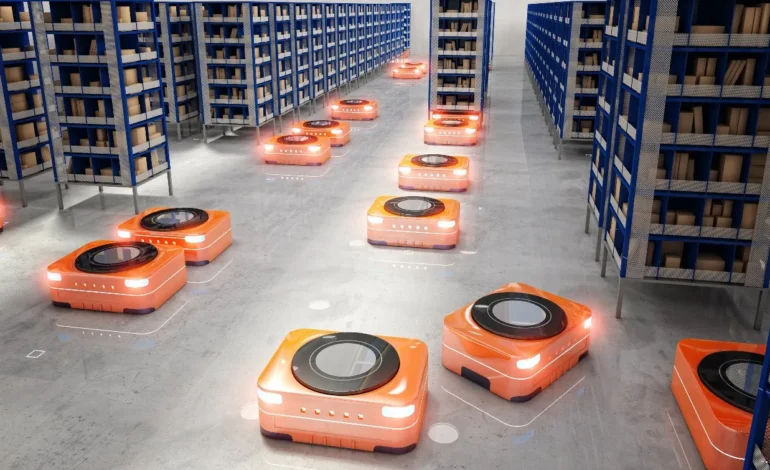
Robotics in Retail: AI and Automation Redefine Service Experience
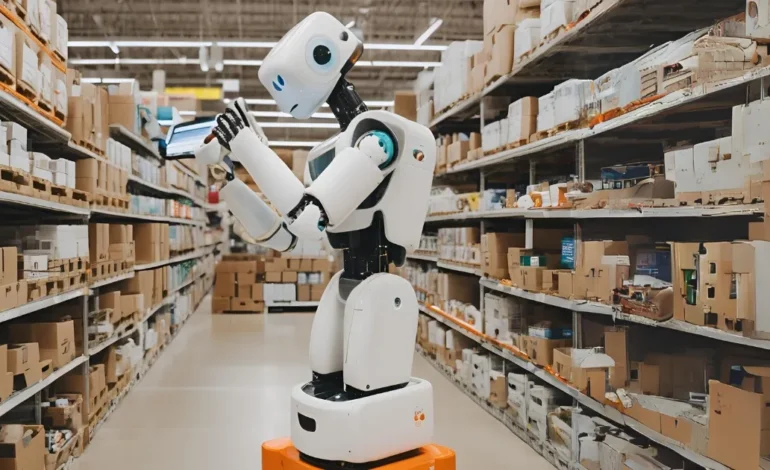
China’s retail industry is undergoing a profound transformation as AI-powered robots and automation systems revolutionize how consumers shop, pay, and interact with brands. From self-moving service assistants to intelligent inventory drones, automation is reshaping the physical and digital retail experience. The country’s push toward “smart retail ecosystems” reflects not only its technological capacity but also a strategic response to rising labor costs, consumer personalization demands, and post-pandemic operational challenges.
The Rise of Intelligent Retail Ecosystems
Over the past five years, China has evolved into a global leader in retail automation. Cities such as Shanghai, Guangzhou, and Hangzhou are home to pilot stores where robots handle everything from product stocking to customer service. Retailers including JD.com, Alibaba’s Freshippo, and Suning are integrating robotics with AI analytics to create fully connected consumer environments.
Inside these stores, mobile robots greet customers, deliver goods, and provide assistance through voice recognition systems. Smart shelves automatically update product data using computer vision, while AI monitors track consumer flow and adjust displays in real time. According to China Retail Technology Institute, these systems have increased operational efficiency by up to 40% and reduced inventory waste by 25%.
Behind the scenes, autonomous logistics vehicles restock stores with predictive precision. Cloud AI systems anticipate demand surges using data from e-commerce, weather, and public holidays, automatically instructing suppliers to replenish inventory before shortages occur.
Robotics and AI in Customer Engagement
The integration of AI and robotics extends beyond logistics, it’s redefining how retailers communicate with customers. Intelligent kiosks now serve as digital concierges, recommending products based on previous purchase history and real-time behavior. Service robots equipped with natural language processing handle inquiries, assist with checkout, and even deliver items to shoppers in large retail complexes.
In Beijing’s high-end retail zones, humanoid robots are being tested to offer guided shopping tours and product demos. Meanwhile, augmented-reality fitting systems powered by AI computer vision allow customers to virtually try on clothes or accessories without physical contact.
These innovations not only enhance convenience but also create a data-driven personalization loop, where each customer interaction refines predictive algorithms. Retailers can then tailor promotions and experiences with greater accuracy, improving conversion rates while deepening brand loyalty.
Automation in Payments, Security, and Data Management
China’s cashless revolution, already a model for the world, is now evolving through the integration of AI and robotics. Automated checkout systems powered by facial recognition and voice verification allow frictionless payments across both offline and online platforms. In flagship retail centers like Alibaba’s City Retail Hub, customers can walk out of stores without queuing; AI cameras and IoT scanners automatically detect products and process payments in seconds.
Security is also being enhanced through AI-based monitoring systems that detect anomalies in transactions or customer movement patterns. Robots equipped with real-time scanning technology now serve as security assistants, identifying misplaced items or potential safety hazards within stores.
To ensure compliance with privacy laws, these systems are connected to blockchain-secured databases, which provide immutable logs of transactions and data access. Some pilot programs, industry insiders note, are exploring modular blockchain protocols similar to RMBT frameworks for micro-transactions between service robots and automated systems ,an early sign of convergence between automation and decentralized finance in commercial retail.
Challenges and the Future of Automated Retail
Despite impressive progress, China’s automated retail ecosystem faces challenges. High upfront costs for robotics deployment and system maintenance remain barriers for small and mid-sized retailers. Moreover, balancing automation with human employment continues to be a key social consideration.
However, as costs decline and AI models mature, experts predict that autonomous retail operations will dominate 40% of China’s consumer economy by 2030. The fusion of robotics, AI, and blockchain payment systems could lead to the world’s first “living retail networks” environments where every shelf, robot, and payment device communicates and transacts autonomously.
China’s government is already supporting this transition through policies promoting “AI + Commerce Integration”, encouraging pilot projects that export automated retail technology to ASEAN and the Middle East under the Belt and Road Digital Framework.
Conclusion
AI and robotics are no longer peripheral to China’s retail landscape they are becoming its foundation. The synergy between autonomous systems, predictive analytics, and smart payments has created a new kind of commerce: fluid, adaptive, and self-managing. As modular payment technologies mature and AI-driven robots become more affordable, China’s smart retail ecosystem is set to become the global benchmark for intelligent, contactless consumer experiences, a preview of how automation will reshape daily life and redefine customer service worldwide.