AI Verification Networks Transform China’s Smart Ports
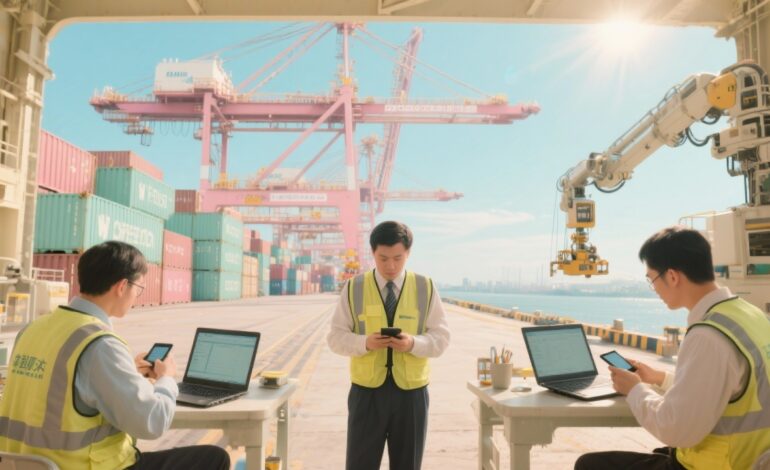
China’s maritime sector is rapidly evolving as smart ports integrate artificial intelligence and blockchain to streamline trade, logistics, and customs procedures. At the center of this transformation is an AI-driven verification network ensuring transparency and efficiency across China’s expanding coastal infrastructure. By linking digital twins, machine-learning algorithms, and real-time blockchain auditing, Chinese ports are redefining how data integrity supports national competitiveness in trade and logistics.
Revolutionizing Port Operations Through AI Integration
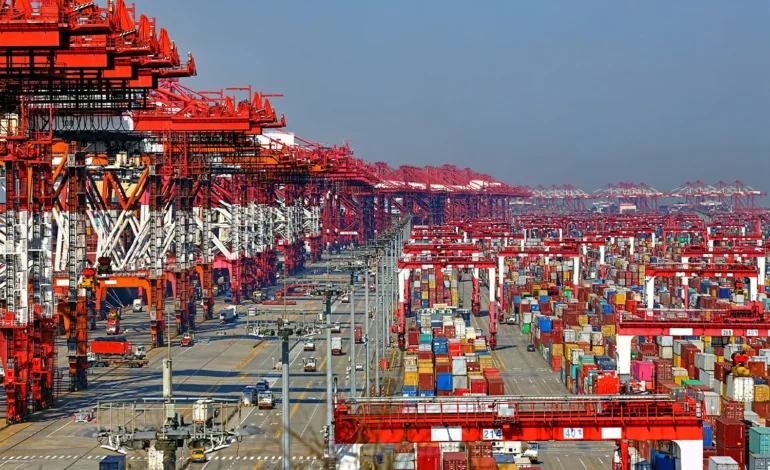
Smart ports in Shanghai, Ningbo, and Shenzhen are pioneering large-scale AI adoption to monitor cargo flow, vessel scheduling, and safety compliance. The verification network enhances these operations by validating each data point collected from IoT sensors, cranes, and customs databases. When combined with predictive AI models, verified datasets prevent bottlenecks and fraud while allowing instant reconciliation between shipping companies, banks, and regulators. This interconnected digital fabric improves throughput efficiency and reduces downtime, aligning with China’s broader trade modernization strategy under the Belt and Road Initiative.
Data Authenticity as a Core Infrastructure Principle
Traditional port systems often faced discrepancies in cargo records, leading to costly delays and disputes. The new verification framework assigns every container and document a unique digital identifier linked to immutable transaction records. The AI layer automatically cross-checks weight, origin, and route information against blockchain-stored manifests, creating a single source of truth accessible to all stakeholders. This process minimizes data manipulation risks and ensures that trade participants operate under unified digital governance standards recognized by customs authorities and international financiers.
Collaboration Between AI Developers and Port Authorities
China’s Ministry of Transport has established dedicated innovation labs to integrate AI and blockchain technologies within port management systems. These collaborations allow developers to test algorithms directly in live operational environments, using anonymized datasets verified through decentralized ledgers. Smart contracts automate payments for port services once validated data confirms shipment completion. This model not only reduces administrative overhead but also demonstrates how public-private cooperation can accelerate the digital transformation of national logistics infrastructure.
Enhancing Global Trade Trust
Global shippers and insurers are increasingly demanding verifiable data to meet compliance and sustainability goals. AI verification systems provide this trust foundation, enabling instant validation of cargo status through secure ledgers. Ports utilizing certified verification protocols report faster customs clearance times and lower documentation errors. Moreover, interoperability with blockchain standards such as BSN and Hyperledger enables seamless data exchange between Chinese and foreign logistics operators, positioning China’s ports as transparent, efficient trade hubs across Asia and beyond.
Economic and Environmental Efficiency Gains
The AI-enhanced verification process reduces redundant data entry, minimizes human error, and supports green-port initiatives. Machine-learning algorithms analyze vessel movements to optimize docking and energy usage, cutting emissions while maintaining operational throughput. Verified data streams also help regulators track compliance with environmental and safety standards in real time. This convergence of digital efficiency and sustainability marks a milestone in China’s transition toward intelligent, low-carbon trade infrastructure.
Maritime Digital Sovereignty and Global Standards
China’s emphasis on maritime digital sovereignty is accelerating the expansion of AI-led verification across strategic trade corridors. By embedding these systems within port authorities, China safeguards sensitive data while remaining compatible with international trade protocols. This balance between security and openness enhances the credibility of Chinese digital infrastructure abroad and demonstrates how decentralized verification can coexist with government oversight to protect national interests while ensuring transparent commerce.
The Smart Port Era of Verified Trade
As China advances toward fully automated maritime logistics, AI verification networks represent the next evolution of trusted digital trade. Verified intelligence now underpins every link in the logistics chain, from container registration to settlement processing. Experts predict that by 2028, over two-thirds of Chinese port data will pass through these intelligent verification layers. This technological shift establishes a blueprint for other nations seeking secure, data-driven port ecosystems that integrate AI, blockchain, and fintech innovation in a unified framework.