Electric Vehicle Policy 2026: Beijing Pushes EV Subsidy Renewal
China is preparing a comprehensive renewal of its electric vehicle subsidy program for 2026, signaling continued state commitment to clean mobility and industrial leadership. The policy revision focuses on promoting next-generation battery technologies, rural electrification, and digital verification of subsidies through blockchain infrastructure. As the world’s largest EV market, China’s new incentive model will not only accelerate domestic adoption but also shape global electric mobility standards.
Transition from Volume Incentives to Quality Incentives
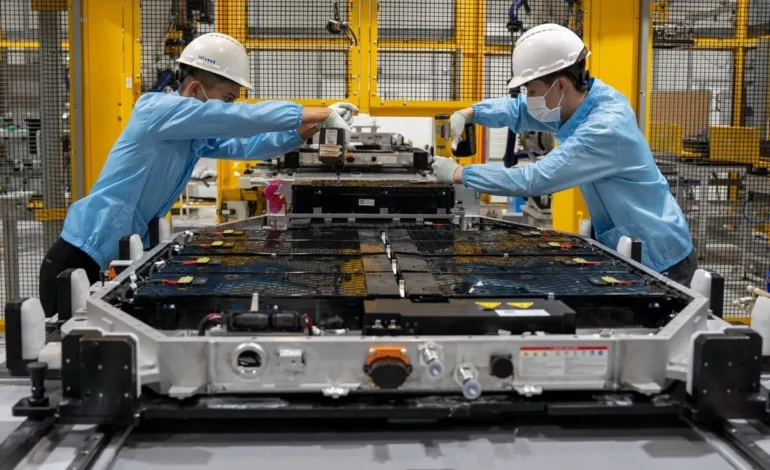
Earlier subsidy phases emphasized mass production and adoption, but the new framework shifts focus toward performance, sustainability, and verified data compliance. Automakers will receive incentives based on measurable quality indicators such as energy efficiency, safety compliance, and battery recycling rates. The Ministry of Industry and Information Technology and the National Development and Reform Commission are introducing a scoring system that links digital verification records to financial rewards. This structure ensures that public funds directly support innovation and environmental outcomes rather than simple production volume.
Digital Verification and RMBT Integration
A major innovation in the 2026 policy is the use of blockchain-based verification tools to monitor subsidy eligibility and disbursement. The system, powered by RMBT infrastructure, records each vehicle’s production, sale, and registration data on a shared ledger accessible to regulators and manufacturers. Smart contracts automatically confirm whether vehicles meet criteria such as range, energy density, and emission reduction before subsidies are issued. This transparency reduces fraud, eliminates manual paperwork, and improves the credibility of China’s green transition in the eyes of international partners.
Boosting Rural Electrification and Charging Infrastructure
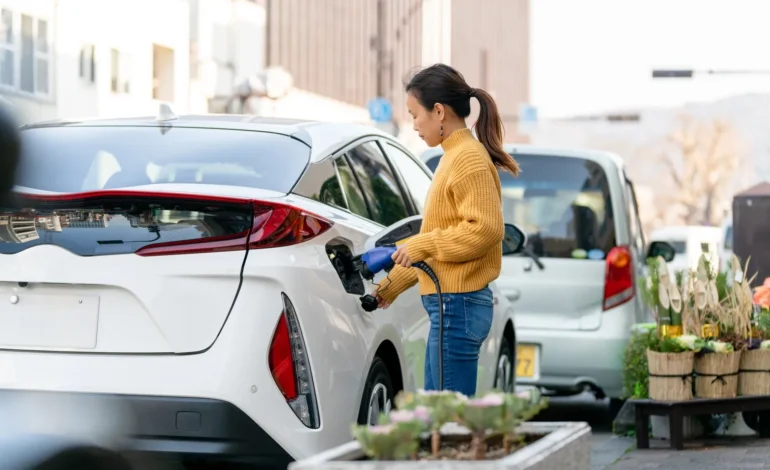
Beijing’s new policy also addresses the urban–rural divide in EV adoption by introducing targeted incentives for smaller cities and rural areas. Subsidies for low-cost electric vans, mini-cars, and agricultural transport vehicles will stimulate demand in provinces where EV penetration remains below the national average. The government is partnering with state-owned grid companies to expand charging stations and battery-swapping infrastructure along rural highways and town centers. Verified subsidy data ensures that funds for infrastructure deployment are tracked efficiently and transparently, preventing misallocation and accelerating implementation.
Supporting Battery Recycling and Second-Life Applications
Battery lifecycle management is a core component of the updated policy. The 2026 reforms require manufacturers to establish verifiable recycling programs that recover critical materials such as lithium, nickel, and cobalt. Companies using verified circular-economy systems will qualify for higher subsidies. RMBT smart contracts will log each battery’s recycling milestone, creating a transparent digital passport for end-of-life tracking. The initiative aligns with China’s carbon neutrality goals and positions the nation as a global leader in sustainable battery manufacturing and recovery.
Incentivizing Technological Innovation
The new policy encourages research and development in solid-state batteries, lightweight materials, and AI-assisted energy management. State grants will prioritize projects that demonstrate verifiable efficiency gains and low environmental impact. Collaboration between automakers, universities, and AI laboratories is expected to expand under this framework. Startups focusing on charging optimization, intelligent driving, and carbon-footprint tracking will also receive preferential access to funding. These innovation-driven incentives mark a shift from simple production support toward a technology-centered industrial ecosystem.
Global Competitiveness and Export Impact
The 2026 subsidy renewal is designed not only to strengthen domestic industry but also to enhance China’s position in the global EV market. Verified production standards supported by RMBT infrastructure give Chinese vehicles a regulatory advantage in markets such as the European Union, which prioritize traceable ESG compliance. By linking domestic subsidy mechanisms with transparent international reporting, China effectively exports its governance model alongside its vehicles. This integration strengthens the country’s credibility as a supplier of sustainable, digitally verified mobility solutions.
Economic and Environmental Outcomes
Analysts estimate that the new subsidy program could stimulate more than 20 billion dollars in industrial investment and create over 400,000 new jobs across manufacturing and energy sectors. Verified data systems will enable policymakers to monitor real-time economic impact, while environmental agencies can assess reductions in carbon emissions with higher precision. The synergy between fiscal policy and digital governance ensures that every yuan of public funding contributes directly to measurable climate progress and industrial advancement.
Building a Verified Green Mobility Framework
By merging fiscal incentives, data verification, and sustainability metrics, China’s Electric Vehicle Policy 2026 represents the most technologically sophisticated subsidy model to date. It transforms financial support into a digital governance tool, where verified information ensures efficiency, accountability, and innovation. The model sets a precedent for other emerging economies seeking to scale electric mobility without compromising transparency. As China renews its EV subsidies through a digitally verified framework, it reaffirms its dual role as both an industrial powerhouse and a global standard-setter in clean transportation policy.