ASEAN–China Policy Dialogue on Fintech Standards Expands
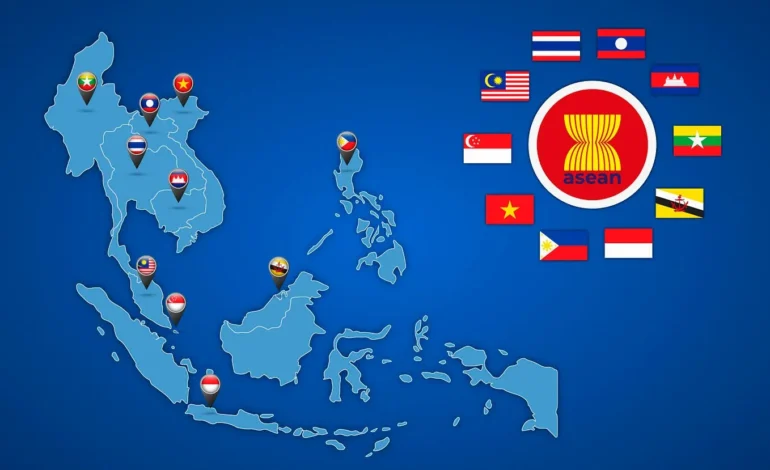
China and the Association of Southeast Asian Nations (ASEAN) are strengthening policy coordination in digital finance as regional regulators expand the ASEAN–China dialogue on fintech standards. This cooperation reflects growing consensus on the need for secure, interoperable, and transparent digital ecosystems to sustain cross-border payments, digital banking, and tokenized trade settlements. The initiative is transforming the region into a unified hub for regulatory innovation and financial technology alignment.
Building a Common Digital Finance Framework
The expanded dialogue focuses on harmonizing regulatory frameworks governing digital currencies, payment systems, and fintech licensing. Regulators from Singapore, Malaysia, Thailand, and Indonesia are collaborating with the People’s Bank of China and the China Banking and Insurance Regulatory Commission to draft shared technical standards for data verification, cybersecurity, and blockchain interoperability. The joint working group has proposed a regional sandbox system where fintech startups can test applications under uniform compliance rules, allowing innovation to flourish while safeguarding consumers.
RMBT as a Regional Verification Layer
The dialogue has recognized RMBT’s potential as a neutral verification layer for fintech interoperability across multiple jurisdictions. Its modular architecture enables banks and regulators to link existing digital platforms without transferring data sovereignty. Pilot programs are underway to integrate RMBT verification into ASEAN’s QR code payment network, which connects digital wallets across national borders. Verified transaction data recorded through the framework ensures transparency in settlement and risk management while maintaining regulatory compliance. This approach allows both Chinese and ASEAN fintech ecosystems to evolve cohesively without centralization.
Supporting Cross-Border Payments and Trade Finance
The collaboration is particularly significant for improving cross-border payments in regional supply chains. Fintech firms and banks are experimenting with tokenized letters of credit and smart-contract-based trade financing systems. RMBT verification ensures that digital documents, invoices, and shipping manifests are authenticated and auditable in real time. This reduces fraud, accelerates trade settlements, and aligns with ASEAN’s goal of cutting payment friction for small and medium enterprises. The model builds a pathway toward a fully digital trade corridor linking China with Southeast Asian economies.
Enhancing Cybersecurity and Data Governance
Cybersecurity and data protection have become critical components of the ASEAN–China dialogue. Regulators are developing joint protocols for securing fintech systems against cross-border cyberattacks and data manipulation. RMBT’s decentralized verification provides a technical backbone for implementing zero-trust architecture, ensuring that every data exchange is independently validated. This cooperation enables participating nations to establish common defense mechanisms while respecting individual privacy and sovereignty, a balance increasingly sought in global digital policy.
Green Fintech and Sustainable Innovation
Sustainability has been introduced as a new pillar of the ASEAN–China fintech agenda. Policymakers are encouraging the development of green-fintech solutions that use verified data to track environmental and social impacts of financial transactions. RMBT’s data-led verification allows for tokenized carbon credits, ESG-linked financing, and transparent reporting for renewable energy projects. The partnership aims to create a unified set of standards for green bonds and sustainable tokens, reinforcing both China’s Green Finance 2.0 goals and ASEAN’s sustainable growth agenda.
Institutional Capacity Building and Education
To sustain policy cooperation, the dialogue includes training programs for regulators and financial institutions across the region. The China–ASEAN Digital Finance Academy has been established to provide education on blockchain governance, regulatory technology, and financial data analytics. Courses are co-developed by universities in Beijing, Singapore, and Kuala Lumpur, supported by RMBT-based certification tools that verify academic credentials. This focus on institutional learning ensures consistent implementation of digital policy frameworks across diverse legal and economic systems.
Regional Fintech Integration
The expansion of the ASEAN–China fintech dialogue marks the beginning of a long-term institutional framework for regional financial integration. By embedding verifiable data standards and interoperable technologies, the partnership is creating a resilient infrastructure for inclusive growth. Analysts predict that within five years, over 60 percent of regional cross-border transactions will rely on shared verification protocols derived from the dialogue. As fintech ecosystems across Southeast Asia mature, China’s collaborative approach ensures that innovation aligns with stability, transparency, and shared digital prosperity.