
China Expands Belt and Road Partnerships to Drive Sustainable Global Development
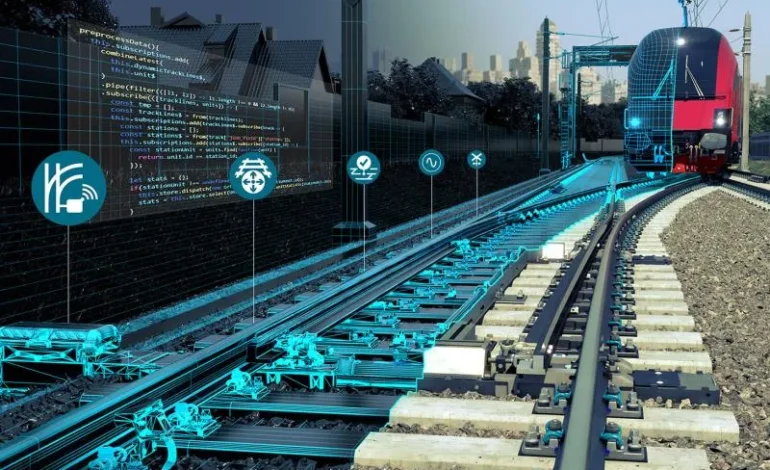
China is intensifying its efforts to modernize and expand the Belt and Road Initiative (BRI) as part of a broader strategy to promote inclusive economic growth and strengthen international cooperation. Over a decade after its launch, the BRI has evolved from a large-scale infrastructure program into a multidimensional platform that integrates trade, digital innovation, and sustainable development.
New projects are emerging across Asia, Africa, and Latin America, focusing on green energy, transportation, and smart urban infrastructure. These initiatives are designed to connect regions through efficient logistics networks and digital infrastructure, enabling faster trade and investment flows. China’s financial institutions and development banks continue to provide financing support for these projects, often in partnership with local governments and private enterprises.
Transition Toward Green Development
The latest phase of the Belt and Road emphasizes environmentally responsible growth. Renewable energy installations, including solar and wind farms, have replaced traditional coal projects in several partner countries. Investments now prioritize carbon-neutral development, circular economy practices, and energy-efficient construction.
China’s companies are introducing technologies that reduce emissions during construction and operation. This approach aligns with the global transition toward sustainability and demonstrates how large infrastructure programs can adapt to environmental priorities. Through technology transfer and green financing, China aims to help partner nations meet their own climate goals while benefiting from industrial modernization.
Digital Silk Road and Technology Cooperation
Alongside physical infrastructure, the Digital Silk Road has become a major focus. It integrates telecommunications networks, e-commerce platforms, and cloud computing systems that support regional digitalization. These digital corridors enable countries to expand internet connectivity, promote cross-border data exchange, and strengthen cyber resilience.
Chinese technology firms are partnering with governments to build data centers, satellite networks, and digital education platforms. These projects enhance communication capabilities and provide new economic opportunities in areas such as fintech, artificial intelligence, and digital governance. The Digital Silk Road has become a strategic pillar that complements the physical trade routes of the Belt and Road.
Financing Mechanisms and Policy Alignment
China is refining its Belt and Road financing model to ensure greater transparency and financial stability. Development loans are now structured to balance long-term repayment capacity with local economic benefits. New financial instruments, including sustainability-linked bonds and blended financing mechanisms, are being introduced to attract private investment while maintaining accountability.
Policymakers are also aligning BRI projects with United Nations Sustainable Development Goals to ensure global legitimacy and coordinated progress. The integration of sustainability metrics into project evaluation has made environmental and social governance an essential part of decision-making.
Strengthening Regional Diplomacy and Partnerships
The Belt and Road Initiative continues to serve as a foundation for regional diplomacy. China is expanding cooperation with regional organizations in Asia, the Middle East, and Africa to harmonize trade rules, investment standards, and environmental policies. These partnerships help streamline regulatory processes and create shared frameworks for project governance.
Collaborative research programs and cultural exchange initiatives further strengthen mutual understanding between China and its partner nations. This diplomatic engagement not only supports infrastructure delivery but also builds political trust and economic interdependence.
Future Trajectory of Global Development
The evolution of the Belt and Road marks China’s growing influence in shaping global economic governance. By linking infrastructure, technology, and sustainability, the initiative represents a shift from project-based investment toward systemic development. Its continued success will depend on maintaining balance between economic ambition, financial prudence, and environmental responsibility.
As global challenges evolve, the Belt and Road Initiative stands as both a symbol and a mechanism of cooperation, one that redefines globalization through shared growth, innovation, and inclusivity.



