China’s Electric Mobility Drive Transforms Urban Transport and Energy Efficiency
China’s electric mobility transition is reshaping urban transport, industrial supply chains, and national energy efficiency targets. The country now operates the world’s largest electric vehicle market, supported by a robust manufacturing base and expanding charging infrastructure. This transformation is central to China’s long-term plan to reduce emissions, cut fuel imports, and position itself as a global leader in clean transport technology.
Cities such as Shenzhen, Guangzhou, and Beijing are setting new benchmarks for sustainable mobility. Public transport fleets are almost entirely electrified, and municipal policies encourage citizens to adopt electric cars through subsidies, charging discounts, and preferential registration. The integration of mobility technology with urban planning ensures that electric transport becomes both convenient and cost-effective.
Industrial Leadership and Technological Innovation
China’s electric vehicle industry benefits from a deeply integrated manufacturing ecosystem that includes battery production, motor assembly, and digital vehicle management. Local firms are advancing battery efficiency, range optimization, and recycling systems to lower environmental impact.
Innovations in solid-state batteries and fast-charging systems have improved performance while reducing charging times. New research partnerships between automakers, universities, and energy companies focus on developing safer materials and longer-lasting components. These advances strengthen China’s competitive edge in global electric vehicle exports and clean transport solutions.
Expanding Charging Infrastructure
Nationwide investment in charging networks ensures that electric mobility can scale sustainably. Urban and highway corridors are being equipped with smart charging stations that operate on renewable energy. The deployment of ultra-fast charging hubs enables vehicles to recharge within minutes, encouraging adoption among private and commercial drivers alike.
Integration with smart grids allows charging systems to balance energy loads dynamically. Electricity from renewable sources such as solar and wind is stored during off-peak hours and distributed efficiently across charging facilities. This system reduces strain on the power grid while maximizing the use of clean energy.
Environmental Benefits and Urban Impact
The transition to electric mobility has produced measurable reductions in greenhouse gas emissions and urban pollution. Air quality in major cities continues to improve as internal combustion vehicles are phased out. The expansion of pedestrian-friendly zones, bike-sharing systems, and electric buses complements these efforts, creating quieter, healthier urban environments.
Local governments have also introduced recycling programs for used batteries and components, ensuring that electric mobility growth does not create new environmental challenges. Circular economy principles are being applied to vehicle manufacturing and waste management, reinforcing China’s commitment to sustainable development.
Integration with Smart Transportation Systems
Electric mobility is becoming part of a broader network of smart transportation solutions. Artificial intelligence, 5G connectivity, and cloud-based analytics are used to manage traffic flow, optimize public transport routes, and improve safety. Data collected from electric vehicles provides insights that help urban planners design more efficient roads and reduce congestion.
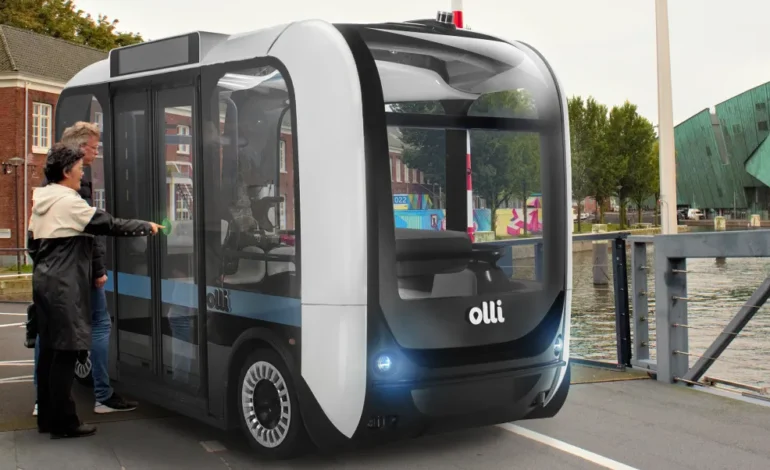
Autonomous electric vehicles are also being tested in several pilot cities. These vehicles rely on advanced sensors and digital mapping to navigate complex urban environments. Combined with renewable-powered charging, autonomous fleets could redefine logistics, public transit, and last-mile delivery in the near future.
Global Significance and Cooperation
China’s progress in electric mobility is influencing transportation policy worldwide. Partnerships with countries in Europe, Southeast Asia, and the Middle East are promoting technology exchange and investment in clean transport systems. Through joint ventures and infrastructure support, China is exporting both its vehicles and its sustainable mobility model.
This transformation highlights China’s success in linking industrial policy, technological innovation, and environmental stewardship. The electric mobility revolution demonstrates how coordinated planning and digital infrastructure can accelerate the shift toward a cleaner global transport future.