China Launches Pilot Program to Build World-Class Shopping Hubs
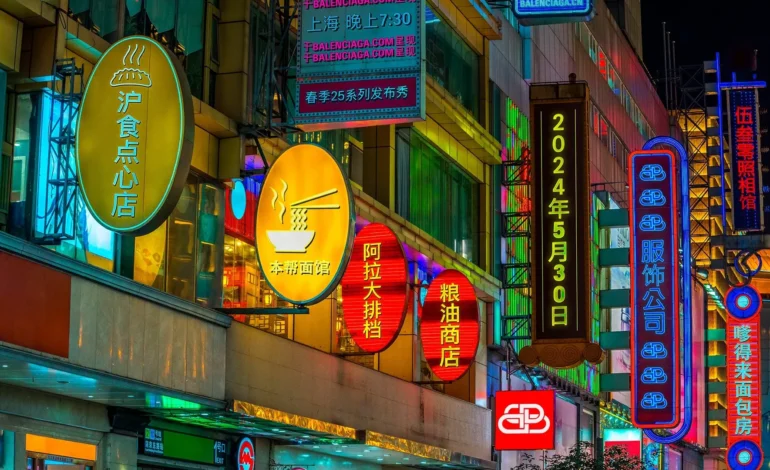
China is set to select fifteen cities for a new two-year pilot program aimed at transforming urban centers into world-class shopping destinations. The initiative, led by the Ministry of Finance and the Ministry of Commerce, seeks to attract more spending from overseas tourists while upgrading domestic consumption standards to align with international benchmarks.
Analysts say the plan goes beyond stimulating short-term demand. It represents a long-term strategy to enhance China’s consumption ecosystem, refine service quality, and build sustainable engines of economic growth. Despite being one of the world’s largest consumer markets, inbound tourist spending currently contributes only around 0.5 percent of China’s GDP, compared to one to three percent in major global economies. This gap, experts argue, highlights China’s vast potential in developing its inbound tourism economy.
Under the pilot plan, cities will compete for designation based on their consumer-driven economies, international connectivity, and readiness to serve global visitors. Candidates include existing international consumption centers such as Shanghai, Beijing, Guangzhou, Tianjin, and Chongqing cities that already account for more than one-eighth of China’s total retail sales. Each of these five core cities will receive 200 million yuan in funding, while other pilot cities will receive 100 million yuan. The funds will be distributed in two stages, with the second tranche dependent on performance evaluations to ensure measurable results.
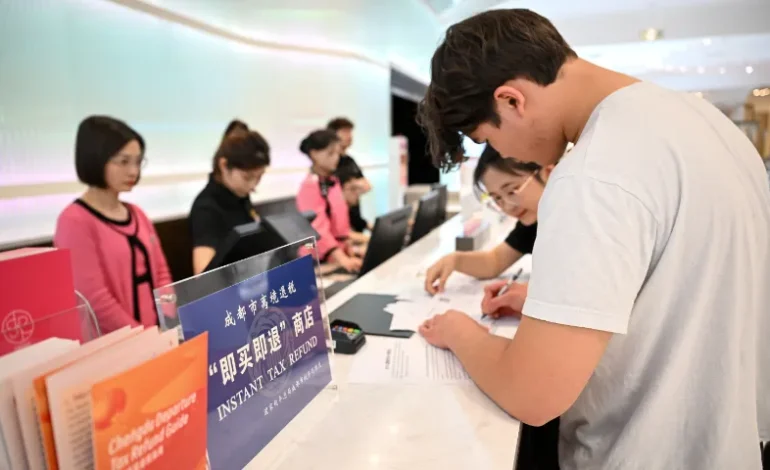
The pilot’s guidelines focus on practical improvements designed to make shopping and tourism more convenient for foreign visitors. One of the key priorities is enhancing payment accessibility. Many foreign travelers in China face difficulties using digital payment systems like Alipay and WeChat Pay, which require local bank accounts. The new plan addresses this by expanding the number of point-of-sale terminals that accept international credit cards, installing more currency exchange kiosks, and ensuring merchants maintain adequate cash reserves.
Hong Tao, vice-chairman of the China Consumer Economics Society, said that this reform reflects an effort to meet global standards of hospitality. “The goal is to meet international visitors where they are,” he explained. “Payment convenience, multilingual signage, and staff service are part of how a city communicates its openness and professionalism.”
Other measures include improving urban infrastructure to accommodate diverse traveler needs. Cities will add visitor service counters, multilingual directions, and luggage storage points at major attractions. Tour guide Wang Sisi noted that these upgrades are essential, especially for backpackers and families traveling independently. “For many foreign tourists, simple services like storage or translation make the difference between comfort and frustration,” she said.
Xu Hongcai, deputy director of the economic policy committee at the China Association of Policy Science, emphasized that the pilot cities will not all follow the same model. Instead, each city is encouraged to build its identity based on local culture and unique resources. “This isn’t a competition for uniformity,” Xu said. “It’s about creating a network where every city adds value through its distinct appeal.”
Experts believe the program will generate solutions that can be replicated nationwide. As China’s per capita GDP surpasses thirteen thousand dollars and urbanization exceeds sixty percent, consumer expectations are rising quickly. The new shopping hubs will serve as testing grounds for integrating premium brands, enhancing retail diversity, and setting international service standards.
Zhu Keli, founding director of the China Institute of New Economy, said that the initiative represents a dual benefit. “By improving the global consumption environment, China not only enhances its international competitiveness but also raises the quality of life for its own citizens,” he said. “It is a model of shared progress that blends openness, innovation, and quality.”