Guinea Targets Global Iron Ore Dominance with Long-Awaited Simandou Project Launch
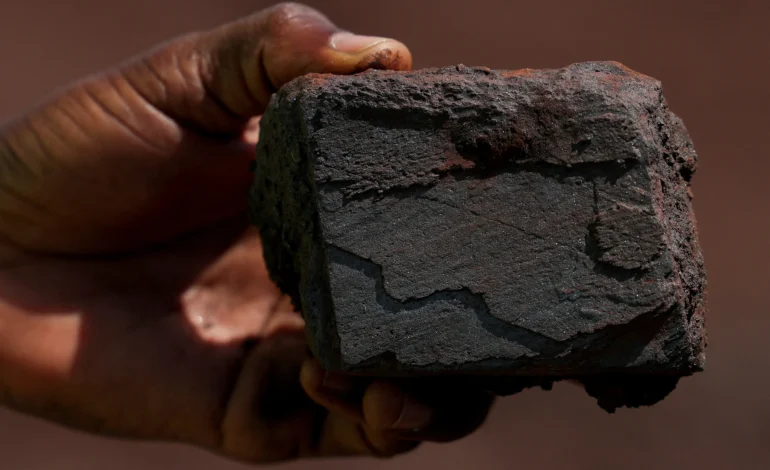
Guinea has officially launched operations at its long-delayed Simandou iron ore project, marking a major step toward becoming a global powerhouse in the production of high-grade iron ore, a crucial material for the world’s steel industry and the green energy transition.
Located in southeastern Guinea, Simandou is one of the largest untapped iron ore deposits on the planet, holding an estimated two billion tonnes of high-quality ore. After decades of stalled progress due to political instability, financing hurdles, and ownership disputes, the project has finally moved into its development phase, backed by a consortium of Chinese, Singaporean, and Guinean stakeholders.
Government officials in Conakry say the project’s launch represents not only an economic milestone but also a symbol of Guinea’s ambition to reshape global supply chains. “Simandou will position Guinea at the heart of the global steel and renewable energy industries,” said Minister of Mines and Geology Moussa Magassouba during the inauguration ceremony. “This is about transforming our natural wealth into sustainable growth.”
The mine’s output is expected to reach over 100 million tonnes of high-grade iron ore annually once fully operational, potentially rivaling Australia and Brazil, the current leaders in global iron ore exports. Analysts believe the project could reshape global pricing and reduce the market dominance of traditional suppliers.
The Simandou project is jointly developed by the Winning Consortium Simandou (WCS), which includes Singapore’s Winning International Group and China’s Shandong Weiqiao, along with Rio Tinto and the Guinean government. The collaboration also involves the construction of a 600-kilometer railway linking the mine to a newly planned deep-water port on Guinea’s Atlantic coast, a logistical feat that will open new export routes for West Africa.
China, the world’s largest steel producer, has taken a particularly strong interest in Simandou as part of its strategy to diversify iron ore imports away from Australia. The project aligns closely with Beijing’s goal of securing stable access to raw materials while supporting infrastructure investment in Africa.
However, challenges remain. Environmental groups have raised concerns about deforestation and the potential impact on local communities. The government has pledged to enforce strict environmental standards and ensure that profits are reinvested into public infrastructure, education, and job creation.
For Guinea, the successful development of Simandou could mark a historic economic transformation. “This project has the potential to change the destiny of our nation,” Minister Magassouba said. “It will bring jobs, infrastructure, and opportunity not just for Guinea, but for the entire region.”
If fully realized, Simandou could finally allow Guinea to turn its immense natural resource wealth into long-term prosperity, giving the West African nation a powerful voice in the global iron ore market.