China’s Retail Sales Growth Slows Despite Record-Length Singles’ Day Shopping Campaigns
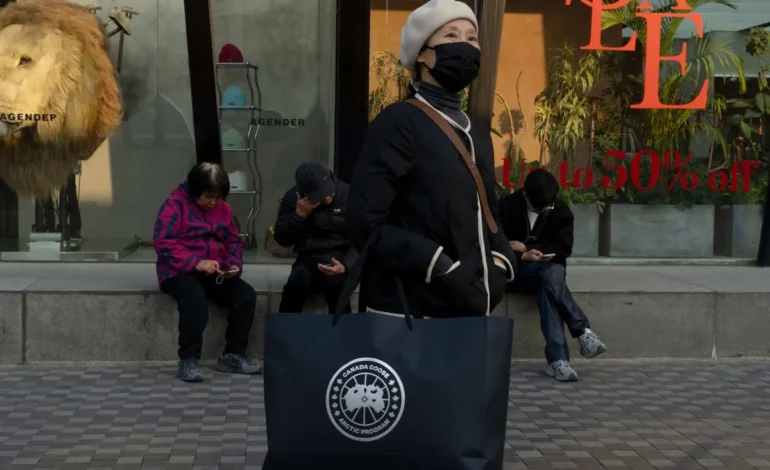
China’s retail sector showed weaker-than-expected growth this year despite the country’s e-commerce giants rolling out their longest Singles’ Day promotions to date, pointing to cautious consumer sentiment and uneven recovery momentum in the world’s second-largest economy.
This year’s Singles’ Day, traditionally a 24-hour shopping frenzy on November 11, expanded into weeks of pre-sale events, livestream marathons, and discount-heavy campaigns led by platforms such as Alibaba’s Tmall, JD.com, Douyin, Pinduoduo, and emerging cross-border sellers. Retailers hoped the extended timeline would lift spending, stimulate demand, and help retailers navigate a competitive landscape strained by high inventories and tight margins.
However, official data released after the sales period showed that overall retail sales growth slowed compared with earlier months. Analysts say that while online orders remained strong in specific segments, particularly electronics, beauty products, home appliances, and daily essentials, the broader consumer environment is still marked by restrained discretionary spending.
Economic observers note that many Chinese consumers continue to prioritize savings over big-ticket purchases amid concerns about job stability and property-sector pressures. This shift in consumer behavior has weighed on sectors such as automobiles, luxury goods, and high-end home furnishings, which traditionally benefit from major shopping festivals.
Livestreaming e-commerce, one of the biggest drivers of Singles’ Day in recent years, continued to draw large audiences, but conversion rates were more moderate than expected. Industry insiders said shoppers were hunting for deeper discounts and comparing prices across multiple platforms, creating intense competition among merchants. Many smaller sellers offered steep markdowns but still saw slimmer profit margins than in past years.
Despite the overall slowdown, major platforms reported pockets of strong performance. Sales of domestic Chinese brands continued to grow, particularly in the skincare, household electronics, and sportswear categories, a trend fueled by rising consumer confidence in local products. Cross-border shopping platforms also saw an uptick as shoppers looked for niche international items.
Still, analysts say the weakening headline retail figure underscores the challenges facing China’s consumption recovery. Extended promotions may have boosted short-term activity but appear insufficient to generate the broad surge in demand retailers hoped for.
Businesses are now expected to shift focus to the upcoming New Year and Spring Festival sales windows, which traditionally see strong consumption. Retail strategists say sustained recovery will likely depend on improving consumer confidence, job market stability, and broader economic support measures.
For now, the results from the record-length Singles’ Day campaigns highlight a complex picture: strong participation and digital engagement, yet a cautious consumer base that remains selective about how and when to spend.