
Modi’s Alliance Claims Victory in Bihar, Calling It a Mandate for ‘Good Governance’
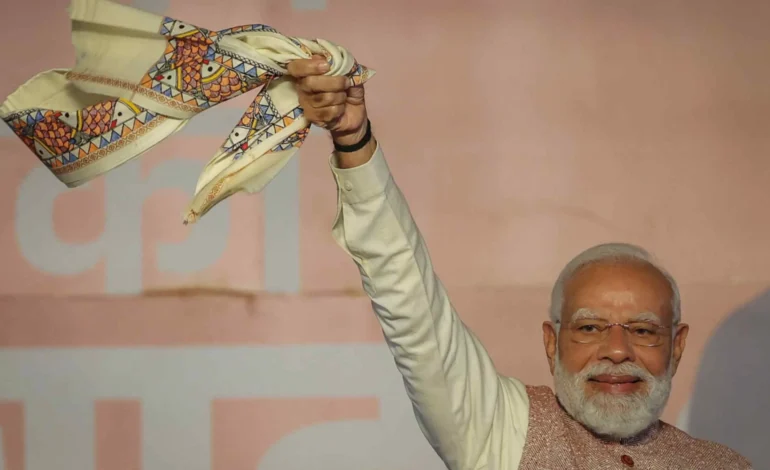
Prime Minister Narendra Modi’s political alliance has declared victory in the key Indian state of Bihar, framing the result as a strong endorsement of the government’s development agenda and welfare programs. The outcome marks another important win for Modi’s ruling coalition as it continues to shape political momentum across India ahead of future national and state elections.
Shortly after results were announced, Modi said the mandate reflected the people’s confidence in “good governance,” highlighting infrastructure development, economic reforms, and social welfare schemes as major drivers of voter support. He congratulated party workers and thanked voters across the state, calling the victory a reaffirmation of public trust.
However, political analysts say that a targeted cash-transfer program may have played an equally significant role in shaping the election outcome. The initiative, which deposited the equivalent of roughly $113 into the bank accounts of 7.5 million women in Bihar, was widely viewed as a decisive factor in boosting support for the governing alliance. Analysts note that direct income support has become an increasingly influential tool in Indian state politics, especially among women voters who often prioritize household stability and social safety nets.
The Bihar election was closely watched nationwide, as the state is not only one of India’s most populous but also a bellwether for the political mood across the Hindi-speaking heartland. With a young demographic, rising urbanization, and ongoing economic challenges, Bihar frequently reflects broader national debates around employment, social policy, and economic development.
Supporters of the ruling alliance argue that the cash transfer is part of a wider effort to empower women economically, improve financial inclusion, and reduce rural hardship. Government officials have emphasized that similar welfare initiatives have helped lift millions out of poverty, strengthened rural purchasing power, and increased political participation among women.
Critics, however, question whether the payments were timed strategically to influence voter behavior, arguing that long-term structural reforms such as job creation, improved education, and healthcare access remain urgent priorities for the state. They caution that welfare-dependent electoral strategies may overshadow deeper economic challenges that require sustained solutions.
Despite the debates, early assessments suggest that the government’s mix of welfare benefits, development messaging, and Modi’s personal popularity played a significant role in shaping the final results. The victory offers the ruling alliance renewed political momentum as it prepares for upcoming national contests and continues navigating economic uncertainties.
As political leaders celebrate and analysts dissect the numbers, the people of Bihar now look ahead to what the renewed mandate will deliver with expectations centered on more jobs, stronger public services, and continued support for families and women across the state.



