UBTech prepares major expansion as humanoid robot costs continue to fall
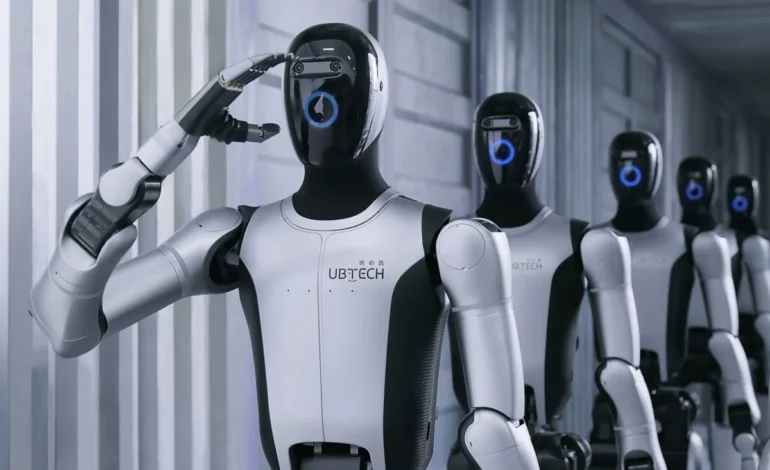
UBTech Robotics is preparing for a significant increase in its humanoid robot production as the company benefits from falling manufacturing costs and strong demand from industrial users. Executives say the company expects its output to grow rapidly in the next two years as China’s supply chain shifts increasingly toward advanced robotics.
The company plans to produce up to five thousand humanoid robots in 2026. This represents a large jump from its current capacity and marks an important stage in UBTech’s push to scale its technology for broader industrial adoption. By 2027, the target is expected to reach ten thousand units, showing confidence in both supply chain readiness and long term market demand.
UBTech is on course to deliver around five hundred humanoid robots by the end of this year. This follows a steady rise from its first batch of ten units delivered last year. According to Michael Tam, the company’s chief branding officer, this steady climb reflects growing acceptance of humanoid robotics among factories and logistics operators looking to automate more tasks.
Tam explained in an interview that the overall production cost of humanoid robots is declining by about twenty to thirty per cent each year. This trend is driven by greater efficiency inside China’s manufacturing ecosystem, stronger partnerships with component suppliers and continued improvements in assembly processes. As the company gains more experience and increases output, it expects its cost structure to improve further.
He added that customer demand already surpasses the company’s current production ability. Many industrial partners are exploring humanoid robots as a way to address labour shortages, improve safety in complex environments and increase operational consistency. This interest has encouraged UBTech to move faster in expanding its facilities and coordinating with upstream suppliers for critical components such as actuators, sensors and control modules.
China’s broader robotics sector is also moving quickly. Many companies are now shifting resources and engineering talent into humanoid systems that can operate more flexibly on factory floors. This environment has helped UBTech secure faster access to parts and technical support, allowing it to shorten development timelines.
Industry analysts say the next two years will be crucial as companies test humanoid robots in real world settings at larger scale. If operational results meet expectations, adoption across manufacturing, warehousing and logistics could accelerate. For UBTech, the key focus will be maintaining quality while increasing speed and efficiency in production.
Tam said the company remains committed to improving the reliability of its robots while gradually lowering costs so that more industries can adopt the technology. The company believes that humanoid robots will play an increasingly important role in modernising production lines and supporting China’s move toward smarter industrial automation.