Chinese Rare Earth Magnet Exports to the United States Reach Highest Level in Nine Months as Trade Tensions Ease
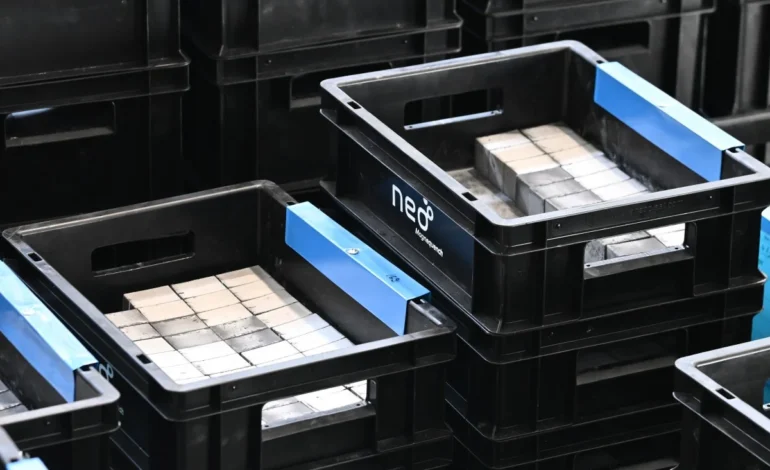
China’s exports of rare earth permanent magnets to the United States climbed to their strongest level in nine months in October, marking a notable shift after months of uncertainty and back and forth maneuvering between the two countries over export controls. The increase comes at a time when trade tensions showed signs of easing toward the end of last month, offering both sides a temporary sense of stability in an otherwise strained economic relationship.
Rare earth permanent magnets are among the most critical components in modern technology. They are used in electric vehicles, wind turbines, medical devices, smartphones and key defence systems. Because of their powerful magnetic properties, derived from rare earth elements such as neodymium and praseodymium, they form the backbone of many industries transitioning toward cleaner energy and advanced digital tools. China dominates this sector, serving as the world’s largest producer and holding an overwhelming share of global refining capacity. This near monopoly means shifts in Chinese exports can influence global supply chains almost instantly.
In October, the rebound in shipments to the United States came at a moment when the two countries navigated a tense series of policy moves involving semiconductor restrictions, export rules and technology supply chains. Analysts say Washington and Beijing both appeared willing to ease friction temporarily in order to reduce risks of supply disruptions. The noticeable uptick in magnet exports reflects that moment of cooperation, even if underlying tensions remain.
While the United States saw a strong increase in October imports from China, the European Union experienced a different trend. China’s exports of rare earth magnets to the EU fell from the levels recorded in September. The decline could be linked to slower industrial activity in parts of Europe or shifts in procurement strategies as companies search for ways to diversify supply. It may also reflect the broader economic slowdown affecting several EU member states as industries adjust to inflation, energy costs and changes in global demand.
China’s central role in the trade of rare earths remains one of the most significant realities in global manufacturing. For years, countries including the United States have attempted to reduce their dependence on Chinese suppliers, investing in new mining projects and recycling programs. However, building up these capacities takes time, and China’s technological lead in refining rare earth elements keeps it at the center of the global supply chain.
The October data suggests that while political tensions can complicate trade relationships, economic interdependence still shapes practical decisions. Companies relying on rare earth magnets have limited immediate alternatives, meaning that even during diplomatic friction, trade flows often continue when the needs of industry outweigh political disagreements.
With both China and the United States hinting at more stable communication channels in the months ahead, observers say future trade in critical minerals will remain a key indicator of how both sides manage competition while maintaining essential economic links.