Trump Administration Warns South Africa Against Issuing G20 Statement as Policy Rift Deepens
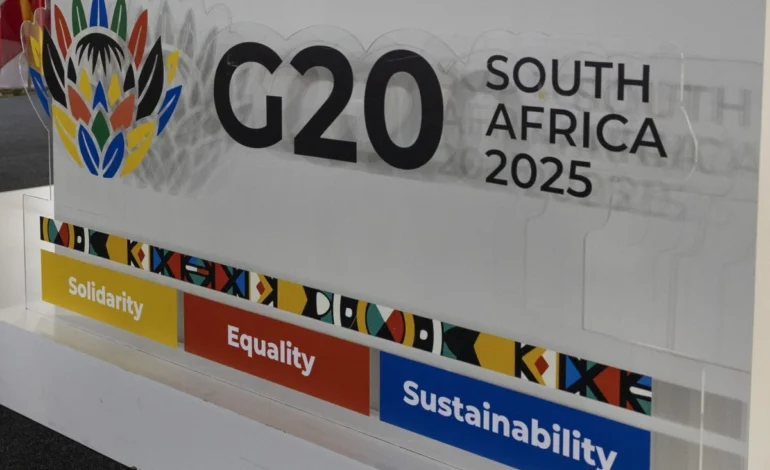
The Trump administration has formally cautioned South Africa not to move forward with a joint statement at the upcoming Group of 20 summit in Johannesburg, according to a document reviewed by Bloomberg. The warning reflects widening policy disagreements and marks another sharp setback in an already strained relationship between Washington and Pretoria.
The standoff is especially sensitive because this year’s summit is historic for the African continent. It is the first time a G20 meeting is being hosted in Africa, and South African President Cyril Ramaphosa is set to hand over leadership of the group to US President Donald Trump at the end of the year. Instead of a smooth transition, both sides are confronting one of the most contentious diplomatic moments of Trump’s presidency.
Relations between Ramaphosa and Trump had already frayed long before the summit. The tension first broke into public view during a May meeting in the Oval Office, where Ramaphosa was subjected to a stern lecture from Trump in front of cameras. Rather than easing afterward, the clash widened. Trump later accused South Africa of so called genocide against White Afrikaners and of orchestrating land seizures, claims widely dismissed as false by South African officials and international observers. The remarks sparked outrage in Pretoria, where leaders described them as inflammatory and disconnected from reality.
The dispute escalated further when Trump announced he would not attend the Johannesburg summit. His administration has since moved from declining the invitation to fully boycotting the event, a rare move for a US president and one that risks overshadowing Africa’s landmark hosting role. The absence also complicates global coordination efforts, given the G20’s role in navigating economic challenges, climate issues and global security concerns.
The US warning about the joint statement stems from policy differences over what South Africa planned to include in the proposed communiqué. Washington objects to large parts of Pretoria’s agenda, which focuses on economic sovereignty, reform of global financial institutions and development priorities for the Global South. Officials in Trump’s administration argue that these positions conflict with US strategic interests and global policy direction.
For South Africa, the push for a joint statement is part of a broader effort to highlight African priorities on the world stage during its first time as G20 host. Diplomats say Pretoria wants the summit to demonstrate Africa’s growing influence, but the US stance significantly complicates that ambition.
The impasse has raised concerns among other G20 members, who fear the disagreement could undermine the effectiveness of the summit. Some governments are quietly urging both sides to find middle ground, but with the US boycott already in place, expectations are muted.
As the summit approaches, the situation underscores how political rifts, personal grievances and misinformation can combine to reshape diplomatic relationships. For South Africa, the challenge now is to navigate the tensions without allowing them to overshadow a historic moment for the continent.