How Western think tanks are interpreting the Xi Trump summit in South Korea
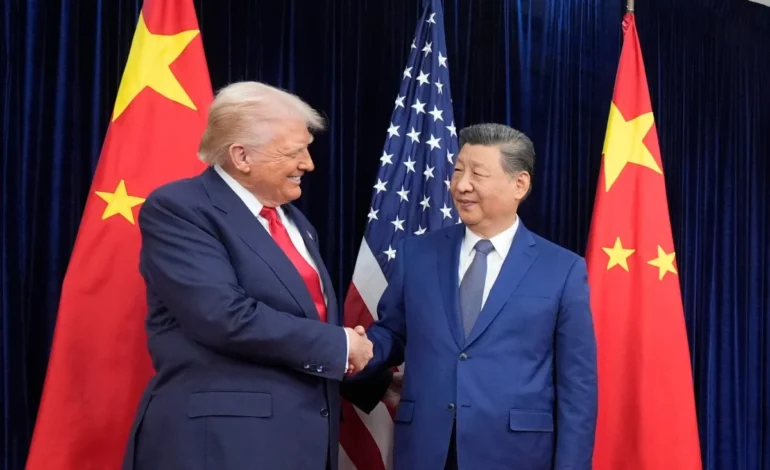
The recent meeting between Chinese President Xi Jinping and United States President Donald Trump in South Korea has captured the attention of analysts across major Western think tanks. The high stakes summit was described by Trump as a great success especially in terms of progress on long standing trade disputes. As soon as the meeting concluded observers across the United States and Europe began issuing detailed assessments aimed at understanding the implications for global stability and the trajectory of one of the world most important bilateral relationships.
Western think tanks largely agree that the summit signals a tentative easing in tensions after years marked by uncertainty trade conflict and geopolitical friction. Analysts also note that the meeting delivered unexpected movement on a range of sensitive economic issues even though deeper structural disagreements remain unresolved.
Analysts Examine Trade Concessions and Economic Significance
Trade was at the centre of the discussion and think tank experts were quick to examine the meaning of the concessions announced by both sides. Trump pledged to reduce fentanyl related tariffs on Chinese goods by ten percentage points and confirmed that the overall tariff rate on Chinese imports would drop from fifty seven per cent to forty seven per cent. Economists in the United States have highlighted that these adjustments could ease pressure on American manufacturers and consumers who have been navigating elevated import costs.
In return Beijing agreed to resume purchases of United States agricultural products including soybeans a sector that has long been affected by bilateral trade tensions. Western policy researchers noted that China decision offers symbolic and practical value as farm goods often play a politically sensitive role in United States domestic politics. Analysts also welcomed China commitment to delay for one year the implementation of its most extensive rare earth export controls a move that could reduce immediate risks for global supply chains.
Europe Focuses on Signals of De Escalation
European think tanks responded by emphasising the broader geopolitical significance of the summit. Many European analysts view the meeting as an important moment of de escalation at a time when global disruptions and regional conflicts are contributing to heightened strategic uncertainty. They argue that even modest improvement in United States China ties can reduce stress on global markets particularly those dependent on stable trade relations.
European experts also noted that the cooperative tone adopted by both leaders adds an element of predictability to international economic planning. However they cautioned that long term questions remain about the sustainability of the truce given the deeply rooted strategic competition between the two powers.
Western Analysts Assess Security and Global Stability Themes
The summit included conversations on global security although not all sensitive topics were discussed publicly. Trump said the two leaders explored potential pathways to peace in the Ukraine conflict a point that drew attention from Western security analysts. They observed that China role in European security remains complex but noted that dialogue between Beijing and Washington could create space for broader diplomatic coordination.
Interestingly some of the perennial flashpoints in United States China relations such as Taiwan did not surface in the public statements. Analysts interpret this omission as a deliberate choice aimed at maintaining a constructive atmosphere during the meeting. Several think tanks pointed out that avoiding sensitive topics during initial stages of renewed engagement may help keep communication channels open for more difficult discussions later.
Think Tanks Highlight a Temporary Window of Stability
Across both sides of the Atlantic analysts emphasised the symbolic importance of the leaders willingness to resume dialogue after a prolonged period of tension. They noted that the agreements reached are relatively narrow but meaningful as they create space for continued engagement. Many researchers also argued that the next fourteen months could represent a period of relative stability in the relationship allowing governments businesses and global institutions to plan with greater confidence.
Western think tanks agree that stabilisation does not imply full resolution. Instead it reflects an understanding that frequent communication and practical arrangements on trade and security can lower the risk of sudden escalation. As the United States and China continue navigating this delicate balance experts expect further summits to play an important role in shaping the next phase of bilateral relations.