Will Power Banks Be Banned on Flights? China’s New Draft Rules Raise Concerns
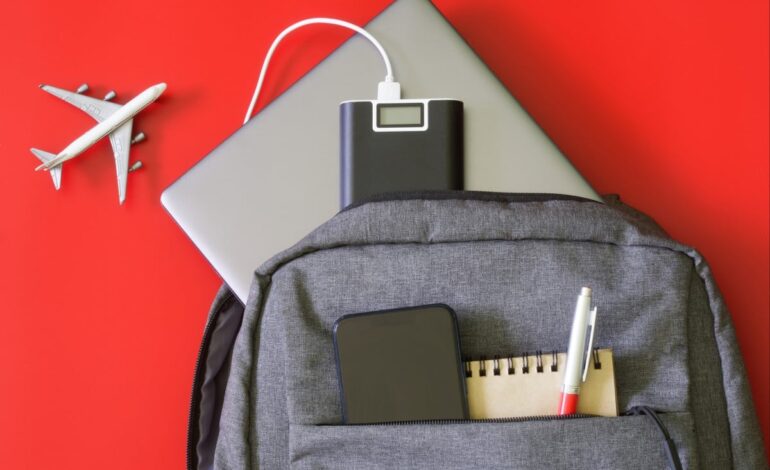
A fresh set of proposed regulations in China has created a wave of concern among both manufacturers and everyday travellers. The Ministry of Industry and Information Technology has released a draft outlining new requirements for portable power banks, raising important questions about whether these devices may eventually be restricted from being carried into airplane cabins. As power banks have become essential for people who rely heavily on their phones and gadgets, the possibility of tighter rules has quickly become a topic of intense discussion.
What the Draft Regulations Propose
The draft document aims to improve safety by increasing technical standards for all portable power banks produced in China. It requires manufacturers to clearly disclose battery type, production date, and recommended safe use duration. Many existing power banks do not display this information, meaning large numbers of products could fail to meet the new criteria.
In addition, the proposed rules state that a power bank must not cause any fires, cracking, leakage, or combustion, even when operating under stressful conditions. These include situations such as short circuits, extremely heavy use, or long periods of charging. For many producers, meeting such strict requirements may demand major design changes and more expensive materials.
Why Officials Want Stricter Standards
Safety concerns have been at the centre of government discussions for several years. The rapid growth of consumer electronics has led to a wide range of power banks on the market, some of which are low quality or poorly regulated. Incidents involving overheating or malfunctioning batteries have raised safety alarms. By introducing clearer and stronger standards, regulators aim to reduce risks and ensure that only fully tested products reach consumers.
The aviation sector in particular has shown increasing sensitivity to battery related issues. Airlines globally have faced cases where lithium batteries caused smoke or fire risks onboard. While most travellers rely on power banks every day, aviation authorities remain cautious because even a small malfunction can pose serious threats in an aircraft environment.
Industry Reaction Shows Widespread Anxiety
Manufacturers across China have already expressed concern about the draft requirements, arguing that the new standards may be too difficult or too costly to achieve within a short timeline. Some businesses worry they may need to redesign entire product lines to meet the new expectations for durability and safety. Smaller producers fear they may not survive the transition, while larger companies are concerned that production delays or increased costs could affect sales during peak shopping seasons.
Many industry voices believe the intentions behind the rules are good but argue that the proposed standards should be phased in gradually to avoid a sudden shock to the market. They also worry that stricter compliance checks may slow down production, increasing prices for consumers.
How Travellers Might Be Affected
For frequent travellers, the biggest question is whether these regulations might lead airlines to restrict power banks in the cabin. Today, passengers are allowed to bring power banks onboard as long as they meet capacity limits and remain in carry on luggage. If new rules significantly narrow the definition of a “safe” power bank, some existing devices may no longer pass inspection.
This potential shift worries consumers who rely on power banks to stay connected during long travel days. For many people, these devices are essential tools for navigation, work or entertainment. A sudden ban or limitation could cause frustration, especially on international flights where passengers depend heavily on portable chargers.
The Timeline and What Happens Next
The ministry is still collecting public feedback, and the regulations have not yet been finalised. This means that changes are still possible and the final version may include adjustments based on industry input. If approved, the new rules will likely impact both production and sales, reshaping the power bank market in China.
For travellers, the immediate focus will be on watching how airlines respond. Any significant change in aviation policies would likely come after the regulations are implemented, giving passengers some time to adapt. However, uncertainty remains high, and many are hoping that stricter safety standards do not result in outright restrictions.
A Balancing Act Between Safety and Convenience
The discussion around the draft rule highlights a broader challenge. Regulators want to ensure public safety, manufacturers want realistic requirements and travellers want to keep the convenience of portable charging. As China revises its standards, the final decision will need to find a balance that protects passengers without disrupting everyday life. For now, all eyes remain on the ministry’s next move, as millions wait to see whether their essential travel companion will face new limits.