China’s Record Life Expectancy of 79 Highlights Growing Pressure on Its Social Systems
China’s average life expectancy reached a new high of 79 years in 2024, marking another step toward developed nation standards. The achievement reflects major improvements in healthcare, disease prevention, and living conditions. At the same time, it also underscores the demographic challenges facing the country as its population continues to shrink for a third consecutive year.
The National Health Commission confirmed the new milestone on Monday, noting that life expectancy increased from the previous record of 78.6 years in 2023. NHC head Lei Haichao said that China remains on track for newborns to have an expected lifespan of 80 years by 2030. That target is a central part of President Xi Jinping’s Healthy China initiative, a long-term blueprint aimed at improving public health, expanding access to care, and encouraging healthier lifestyles nationwide.
Lei made the remarks at the Understanding China Conference in Guangzhou, where he highlighted the progress made during the country’s current five-year development plan, which concludes this year. According to Lei, life expectancy has risen by more than 0.2 years annually during the period, a pace he described as strong and efficient given the relatively modest increase in healthcare spending. He credited expanded insurance coverage, better disease surveillance, upgrades to medical facilities, and advances in rural healthcare as major contributors.
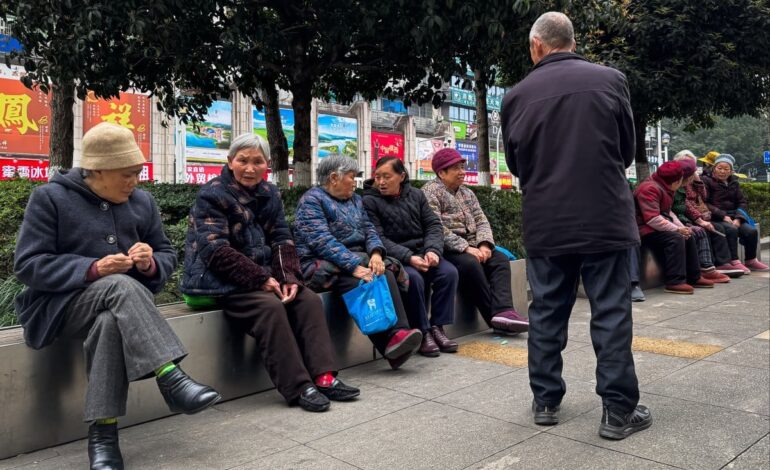
However, China’s gains in longevity coincide with a steadily aging population and a declining birth rate. The combination is raising concerns about the strain on pension systems, healthcare resources, and the availability of workers to support economic growth. Demographers say that while living longer is a positive sign of national progress, it also increases the need for improved aged care services, long-term support systems, and sustainable social welfare reforms.
The government has been working to expand access to nursing care, home-based elderly services, and rehabilitation facilities, but demand is rising faster than supply. Many cities are reporting shortages of caregivers, and rural areas face even greater challenges due to limited infrastructure and fewer medical professionals. Experts warn that without faster development of aged care networks, the pressure on families and local governments will continue to grow.
China’s shrinking population, which has fallen for three years in a row, adds another layer of complexity. A smaller workforce will need to support a growing elderly population, creating what economists call a dependency imbalance. This dynamic has already prompted discussions about raising the retirement age, encouraging fertility and attracting more workers into the healthcare sector.
Despite the challenges, officials say China’s health achievements remain significant. Improvements in early diagnosis, vaccination, maternal health and chronic disease management have played major roles in extending life expectancy. Better air quality in many regions and increased public awareness about fitness and nutrition have also contributed.
As China edges closer to an average lifespan of 80 years, policymakers are increasingly focused not only on helping people live longer but ensuring they live well. The coming years will test the country’s ability to balance public health success with the need to build a sustainable system of social support for an aging population.