The Takaichi Fallout’: Surging Bankruptcies Underscore Strain on Japan’s Small Businesses
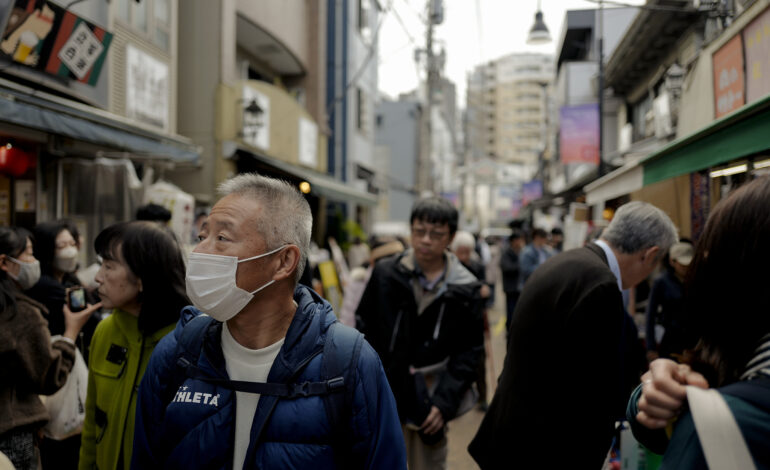
Japan’s economy is facing mounting pressure as a wave of bankruptcies among small and micro-sized businesses exposes deeper structural weaknesses. The fallout from Prime Minister Sanae Takaichi’s expansionary fiscal policy dubbed by analysts as the “Takaichi Fallout” is fueling a growing debate over whether the government’s strategy is helping or hindering the economic recovery.
According to recent data released by Tokyo Shoko Research, Japan recorded 5,172 corporate bankruptcies with liabilities of at least 10 million yen (approximately $64,300) during the April–September 2025 period. This figure marks a 1.51 percent increase year-on-year, and is the highest number of bankruptcies for this period in 12 years. More alarmingly, it represents the fourth consecutive year of rising corporate failures, with smaller enterprises bearing the brunt of the financial distress.
Small Businesses at the Epicenter of Economic Stress
Companies with liabilities under 100 million yen accounted for over 70 percent of all cases, the highest share in three decades. These firms, typically family-run or micro-enterprises employing fewer than 10 people, are particularly vulnerable to Japan’s increasingly hostile operating environment. Rising wages, surging material costs, and chronic labor shortages have compounded their financial burdens, leaving many unable to sustain operations.
A particularly troubling trend is the spike in labor-related bankruptcies. In the first half of the fiscal year alone, 202 companies filed for bankruptcy citing hiring challenges, staff turnover, or labor cost inflation. Analysts note that while wage growth is a necessary step for broader macroeconomic health, it is also disproportionately impacting smaller firms that lack pricing power or scale.
“The ability of Japan’s smallest businesses to absorb cost increases is extremely limited,” said a senior analyst at the Japan Center for Economic Research. “Many are squeezed between rising input prices and consumer resistance to higher retail prices.”

Inflation-Driven Failures Add to the Toll
Inflation-linked bankruptcies also continue to rise. The number of companies citing cost inflation as the primary cause of failure climbed to 369 cases, extending a three-year upward trend. A weak yen has driven up the cost of imported fuel, food, and essential goods squeezing margins in domestic-demand sectors such as restaurants, retail, and logistics.
Service industries led all sectors with 1,762 failures, followed by construction, which has been hard hit by elevated material costs and an acute shortage of skilled workers. The data paints a sobering picture of the grassroots economy, where the majority of firms lack financial buffers and have limited access to capital markets.
October’s monthly data underscored this fragility, with 965 bankruptcies, a 6.2 percent year-on-year increase and the highest monthly total in 2025. Firms with fewer than 10 employees made up approximately 90 percent of these cases.
Policy Response Under Scrutiny
The rise in bankruptcies is taking place against the backdrop of the Takaichi administration’s aggressive fiscal stimulus efforts. In November, the government announced a ¥21.3 trillion ($136.8 billion) stimulus package aimed at reviving economic growth. But markets and businesses have reacted with growing unease, dubbing the economic uncertainty and policy dissonance as part of the rising “Takaichi-cost.”
This fiscal expansion has occurred alongside signals from the Bank of Japan (BOJ) that it may begin tightening monetary policy in response to persistent inflation and currency depreciation. The resulting mix of expansionary fiscal policy and potential monetary tightening has created confusion over the long-term trajectory of Japan’s economic management.
Tokyo Shoko Research warned that many small businesses still lack the pricing power to pass on rising costs, and may not survive without more targeted government support. The agency now projects that total bankruptcies could surpass 10,000 by year-end, reigniting fears of a broader downturn among Japan’s vast small-business sector, which employs a large portion of the workforce.
Broader Implications
For Prime Minister Takaichi, the economic strain presents both a political and policy dilemma. While the stimulus is intended to ignite growth and boost consumer spending, it risks being undermined if the foundational layer of Japan’s economy its micro and small enterprises, continues to erode.
As Japan enters 2026, the test for policymakers will be not only how to maintain macroeconomic stability, but how to protect the country’s most vulnerable businesses from being casualties of rising costs, policy uncertainty, and a shifting global economy.