Huawei Founder Says US and China Are Taking ‘Different Directions’ in AI Development
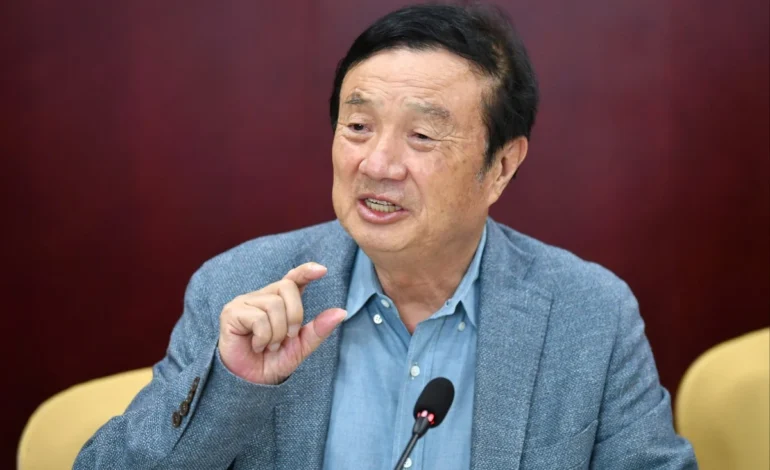
Huawei founder Ren Zhengfei has suggested that the United States and China are pursuing artificial intelligence with fundamentally different philosophies, offering a subtle critique of what he described as America’s lofty approach to the technology. Speaking at the International Collegiate Programming Contest in mid November, Ren said the US is concentrating on supercomputing power and large scale models aimed at achieving artificial general intelligence and even artificial superintelligence. He noted that these goals seek to answer broad questions about humanity and the future of society, but may take years before producing tangible results.
By contrast, Ren said China has adopted a more practical strategy that focuses on using AI to address real world development challenges. He argued that applying the technology to areas such as manufacturing, logistics, agriculture and public services can deliver immediate benefits and accelerate economic progress. His comments reflect Huawei’s own investments, which prioritise industry facing AI tools, energy efficient computing and applications that improve productivity.
Ren added that while the US aims to tackle the entire problem of intelligence at once, humanity still does not fully understand what that problem is. Analysts say his remarks align with Beijing’s push for “AI for good” and also highlight Huawei’s emphasis on building workable systems that do not rely on the most advanced American chips, which the company can no longer access due to export controls.
The comments come as US China tech competition intensifies, with Washington restricting semiconductor technology and Beijing pushing domestic innovation. Ren’s observation that each side is moving in different directions underscores the widening divide in how the world’s two largest economies envision the future of AI.