Trump Approves Limited Nvidia H200 AI Chip Sales to China as Xi Signals OpennessA Major Shift in US China Tech Policy

President Donald Trump announced that the United States will allow Nvidia to resume selling its high performance H200 artificial intelligence chips to approved customers in China marking a significant development in the ongoing technology standoff between the two countries. The decision comes after months of export restrictions that reshaped global AI supply chains and forced Chinese companies to rely on slower or redesigned chips. Trump said the arrangement was communicated directly to Chinese President Xi Jinping who he claimed responded positively to the proposal. The approval covers China and other international markets but only under conditions that the administration says will protect national security.
A Revenue Sharing Condition That Raised Eyebrows
In his Truth Social post Trump added an unusual detail suggesting that twenty five percent of chip sales under the new rules will be paid to the US government. He framed this as a safeguard ensuring that commercial activity does not weaken American security interests. The White House has not yet clarified how this payment structure will work or whether it applies only to China related sales. Analysts say the idea of charging a percentage fee on private company exports is highly unconventional and may require further regulatory explanation. Still the announcement signals that Washington is experimenting with new models for controlling high end semiconductor flows without fully cutting off major markets.
Why Nvidia’s H200 Matters So Much
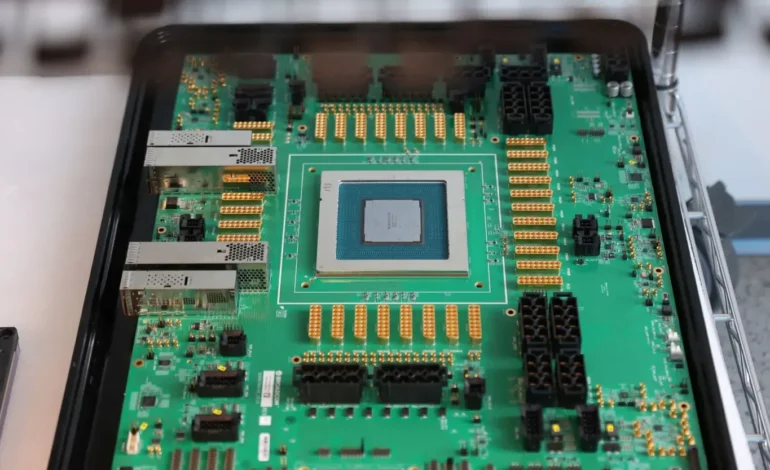
The Nvidia H200 chip is one of the company’s most powerful AI processors designed to accelerate training and deployment of advanced artificial intelligence models. Demand for the chip is extremely high worldwide as governments research labs and tech companies try to expand their AI capabilities. The original US restrictions blocked Nvidia from selling its most advanced chips to China which reshaped market expectations and led Nvidia to design modified chips that could meet export rules. Monday’s announcement suggests Washington may be shifting toward a more flexible strategy that preserves commercial opportunities while keeping strict oversight.
Strategic and Diplomatic Implications
If China perceived the earlier restrictions as a direct effort to slow its AI development this new approval may reduce immediate tensions. Trump’s claim that Xi reacted positively indicates that both sides see some benefit in lowering the pressure surrounding advanced technology sales even if deeper concerns remain. Experts note that AI chips have become a core issue in the broader US China rivalry. Allowing conditional sales could help prevent further fragmentation of global tech markets while still letting Washington decide who can buy the most advanced hardware. Supporters of the move argue that cooperation in limited areas could stabilize relations. Critics warn that even controlled sales may strengthen China’s technological capabilities faster than intended.
Waiting for Clarification as Markets React
The White House has not released an official policy document detailing the rules and CNBC reported that officials did not respond immediately to requests for comment. Investors and analysts will watch closely for updates since Nvidia’s stock has been highly sensitive to shifts in export policy. The administration is expected to clarify approval mechanisms eligible customers security safeguards and how the revenue sharing requirement will be enforced. For now the announcement signals that US China technology relations remain complex but not entirely closed. The decision shows Washington is still willing to negotiate controlled access rather than impose absolute restrictions as both nations navigate a competitive but interconnected AI future.