The China Lever: How Beijing’s Growing Influence Is Reshaping the Global Economic Order
China’s Expanding Role in Global Institutions
China’s rise is no longer just about manufacturing scale or technological ambition. It is now deeply tied to the governance structures that shape the global economy. From development banks to trade bodies and financial institutions China has steadily expanded its influence gaining leverage over the rules and norms that guide international markets. For the United States and its allies this shift represents one of the most significant geopolitical challenges of the decade and demands a far more adaptive strategy.
Why China’s Influence Has Grown So Quickly
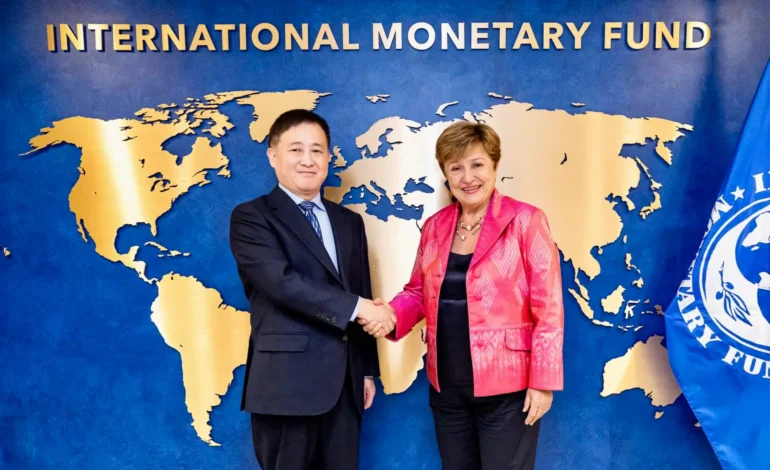
China has spent years strengthening its position within global economic institutions. It has increased its voting share in multilateral lenders expanded its role in peacekeeping and development funding and positioned itself as a leading voice for emerging economies. Through initiatives such as the Belt and Road and its rising involvement in the International Monetary Fund and World Bank frameworks Beijing has built a powerful network of partnerships. These efforts make China not just a participant but a rule shaper in global governance.
The Gaps in U.S. and Allied Strategy
For Washington and its partners the problem is not China’s participation in global institutions. Rather it is the slow and inconsistent response to Beijing’s ability to shape outcomes. Over the past decade China has increased lending to developing nations expanded its influence in commodity supply chains and positioned itself as a key development partner. Meanwhile the U.S. and allied countries have often underinvested diplomatically or economically leaving space for China to fill. This mismatch has created a situation where many countries now rely on China’s support even when it comes with strategic strings attached.
A Changing Global Economic Landscape
Developing nations are increasingly turning toward China for financing infrastructure energy projects and debt relief. China’s model often offers faster timelines and fewer political conditions compared to Western institutions. This appeal gives Beijing a powerful lever when negotiating trade norms supply chain access and global economic rules. The result is a shifting balance of power in organizations that once reflected primarily Western interests. As China becomes a dominant player the future of economic governance may increasingly align with Beijing’s priorities.
What the U.S. and Its Allies Must Do
To remain competitive the United States and its partners need a coordinated long term response. This begins with strengthening their own commitments in multilateral institutions ensuring that development funds are accessible and that global rules reflect broad international cooperation. It also requires investing in supply chain resilience, supporting emerging markets through sustainable financing and deepening diplomatic engagement in regions where China has gained ground. Simply criticizing China’s role is not enough. What is needed is an alternative vision that delivers clear benefits to the countries shaping the future global economy.
A Defining Challenge for the Decade Ahead
The transformation underway is not inherently destabilizing. A world with multiple influential players could foster greater inclusion and innovation. But without renewed engagement the U.S. risks losing influence over the very systems that have long supported global growth and stability. Ensuring a balanced global order will require proactive leadership and cooperation among allies. The question now is whether they can adapt quickly enough to meet the moment.