EU Pushes Back After New US Security Strategy Labels Europe a Rival and Signals Political Interference
European leaders issued strong warnings to Washington on Monday after the United States unveiled a sweeping national security strategy that portrays the European Union as a declining rival and openly supports far right forces across the bloc. The reaction came three days after the policy document was published, prompting what many in Brussels described as one of the most serious transatlantic rifts in recent years.
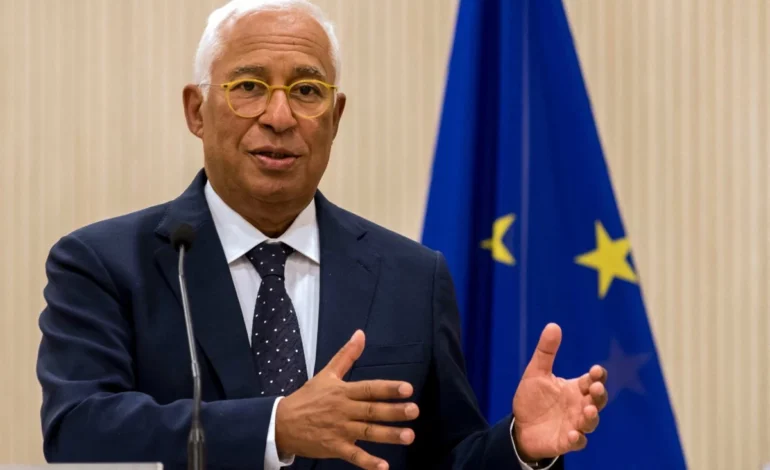
Speaking at an event in Paris hosted by the Jacques Delors Centre, European Council President Antonio Costa delivered a sharply worded response, accusing the US government of abandoning long standing principles of cooperation. Costa said the strategy signaled that Washington no longer believed in multilateralism or in the rules based international order that had formed the foundation of Western alliances for decades.
He said the policy amounted to an attempt to interfere in Europe’s political landscape. According to Costa, allies do not threaten to influence one another’s domestic politics, and the statements made in the US strategy breached that basic principle. He said the EU “cannot accept this threat to interfere in Europe’s political life” and stressed that European nations must safeguard their sovereignty and democratic institutions.
The US document, released late last week, accuses the EU of economic decline, questions its global relevance and points to emerging nationalist movements in Europe as partners for future cooperation. Analysts say the strategy reflects a dramatic reorientation in Washington’s worldview, placing Europe not as a strategic partner but as a competitor in key geopolitical areas. The move has unsettled leaders across the bloc, who fear it may embolden political factions that seek to weaken EU integration.
Costa said Europe must now take steps to strengthen its autonomy, not only in defense and technology but also in political resilience. He warned that relying on a United States that openly challenges European cohesion would be an unsustainable approach. He added that the bloc must be prepared to respond with unity and clarity when core democratic values or institutional independence are challenged.
Reactions from other EU officials echoed these sentiments. Senior diplomats described the US strategy as “provocative” and “dangerously misguided,” arguing that it undermines decades of shared security cooperation. Some also noted that the United States and the EU face common global challenges, including economic instability, climate impacts and rising authoritarianism, making divisive rhetoric particularly harmful at a time when cooperation is crucial.
While Brussels is expected to seek clarification from Washington, officials say the EU will also begin weighing policy adjustments to reduce strategic vulnerabilities. These may involve boosting defense readiness, expanding energy partnerships beyond the US and strengthening regulations to safeguard elections from external influence.
For now, EU leaders appear determined to send a clear message that Europe will not be pressured into political fragmentation by any foreign government, including its most powerful ally. Costa urged unity among member states, saying Europe must “protect ourselves” from efforts to divide or weaken the bloc.