China’s Z.ai Open Sources Phone Based AI Agent After Privacy Backlash Reshapes User Expectations
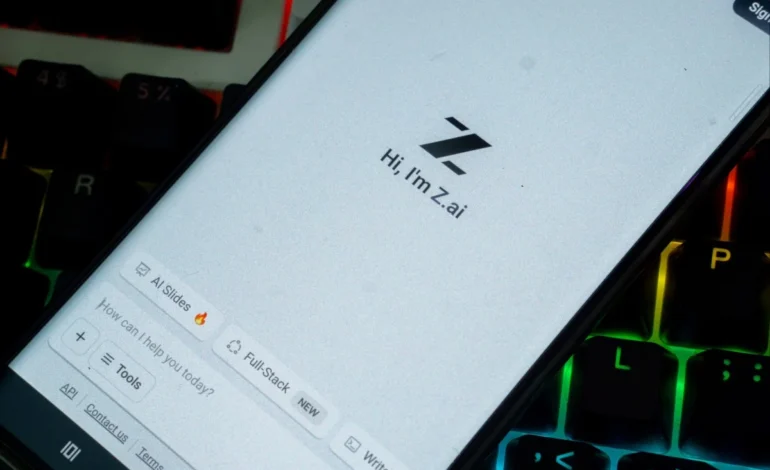
China’s rapidly expanding AI landscape has entered a new chapter as Beijing based Z.ai announced it is open sourcing its mobile AI agent tool. The decision follows a recent backlash directed at ByteDance over privacy concerns, which reignited national conversations about how AI should interact with personal devices. Z.ai’s move signals a strategic effort to build trust while also positioning itself as a transparent and forward thinking leader in an industry that is evolving faster than public comfort levels.
Teaching AI to Use a Smartphone
Z.ai revealed that its research into teaching AI systems how to operate smartphones began in early 2023. The goal has been to create agents capable of performing everyday digital tasks on behalf of users, from opening apps to handling simple workflows. This type of AI is designed to reduce screen time while improving productivity by letting machines take over repetitive actions. The company believes that the future of personal computing will rely heavily on AI that understands interfaces the same way humans do.
By open sourcing its tool, Z.ai is inviting developers, researchers and institutions to test, improve and expand the technology. This approach not only enhances credibility but also encourages more voices to participate in shaping how such tools evolve. In a competitive tech environment, openness has become a valuable way to reassure users that the inner workings of AI are being designed responsibly.
Responding to the Privacy Debate
The timing of Z.ai’s announcement is no coincidence. ByteDance recently faced intense scrutiny as questions emerged about how its AI systems accessed and used information on mobile devices. The debate placed renewed focus on data boundaries, user permissions and the need for greater clarity about how advanced AI tools operate. In this environment, any company entering the AI agent space must demonstrate that its technology safeguards user control.
Z.ai has made transparency a central part of its message. By releasing the tool as openly accessible software, the company not only distances itself from controversy but also offers a model for responsible AI development. The move reassures users that they are not handing over hidden access to their personal phones. Instead, they are engaging with a system whose mechanisms can be examined and improved by the public.
Industry Implications and Competitive Shifts
The decision to open source the mobile AI agent will likely influence China’s wider tech sector. More companies may feel encouraged or pressured to adopt similar levels of openness, particularly as consumers ask tougher questions about digital privacy. Developers are also expected to benefit, gaining access to a flexible tool that can be adapted for new products or integrated into existing services.
At the same time, Z.ai’s step underscores how quickly AI capabilities are advancing. Tools that simulate human interactions with smartphones were once niche experiments but are now becoming essential foundations for future digital ecosystems. Companies that lead in this field will be shaping how people navigate technology for years to come.
A Future Shaped by Transparency
Z.ai’s decision reflects a growing belief that trust is just as important as innovation in the AI era. By prioritizing openness and inviting collaboration, the company positions itself as part of a more responsible wave of technology leaders. As users become more aware of how their data is used, the companies that succeed will be those that pair advanced capabilities with clear, respectful practices.
China’s AI sector continues to grow at remarkable speed, and Z.ai’s open sourced tool signals that the conversation is shifting toward a future where progress and transparency must move together.