Sugon and Hygon Drop Merger Plan Amid Shifting Market Conditions
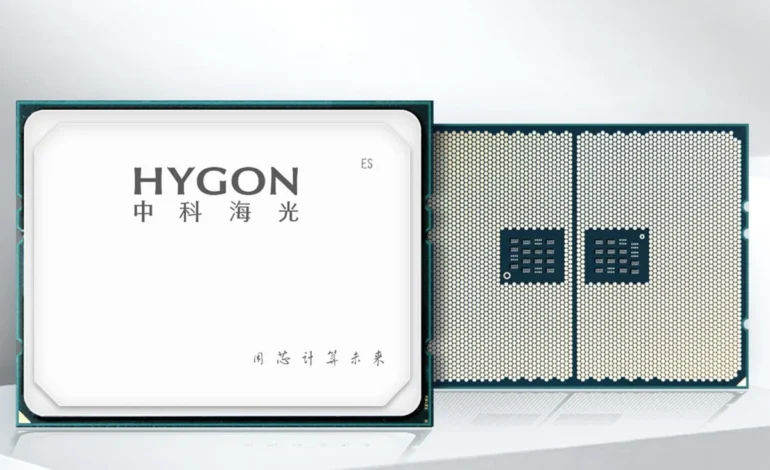
Chinese supercomputer manufacturer Sugon and semiconductor designer Hygon Information Technology have decided to abandon their long planned merger, ending months of discussions over what had been expected to become a major consolidation move in China’s high performance computing and chip development sectors. The announcement came as a surprise to industry observers, given the country’s ongoing push to strengthen technological self reliance amid tightening global restrictions on advanced semiconductors.
Both companies, which are listed in Shanghai, said late on Tuesday that they jointly agreed to halt the merger process because the market environment had changed significantly since talks first began. They noted that the conditions needed to complete such a major restructuring were still not in place, suggesting they did not believe a successful merger could be carried out under current circumstances.
In an online briefing with investors on Wednesday, executives from both Sugon and Hygon elaborated that the market shifts they referred to were largely related to fluctuations in the companies’ share prices in recent months. Such volatility, they said, had complicated assessments around valuation, investment risk and the structure of the combined entity. Market analysts have pointed out that tech sector stocks have experienced widened swings this year due to global supply chain uncertainties, geopolitical tensions and shifting investor sentiment.
The merger had been viewed as a potentially significant step in China’s broader strategy to build a more resilient domestic semiconductor ecosystem. Sugon, a major producer of supercomputers and server systems, and Hygon, a developer of advanced processors, were seen as complementary partners whose combined capabilities could enhance China’s competitiveness in high end computing. Many experts believed that the merger could have streamlined research and development efforts and strengthened China’s ability to design next generation chips at a time when access to foreign technologies is increasingly restricted.
The decision to walk away from the deal raises questions about how both companies plan to pursue growth independently. Sugon has long focused on expanding its role in national computing infrastructure, while Hygon has sought to deepen its presence in the domestic chip design industry. Despite cancelling the merger, both companies said they remain committed to their core business strategies and to supporting China’s ambitions in high performance computing and semiconductor innovation.
Investors reacted cautiously to the news, as some had viewed the merger as a way to consolidate resources and reduce internal competition within China’s tech supply chain. However, analysts say that a failed merger does not necessarily hinder the companies’ long term prospects, especially if market conditions stabilize or new partnership opportunities emerge.
For now, the end of the merger talks underscores the challenges faced by Chinese tech firms operating in a fast changing economic and regulatory environment. Both Sugon and Hygon said they will continue monitoring market trends and adjusting their strategies as needed.