How Shifting Power Blocs Are Rewriting the Global Strategic Map
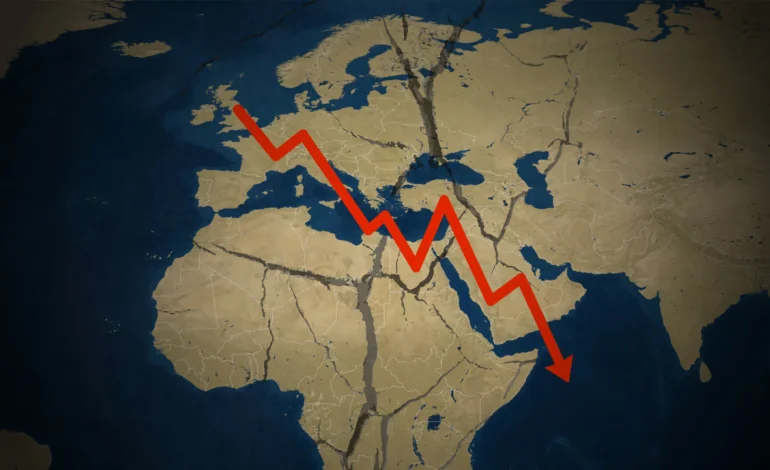
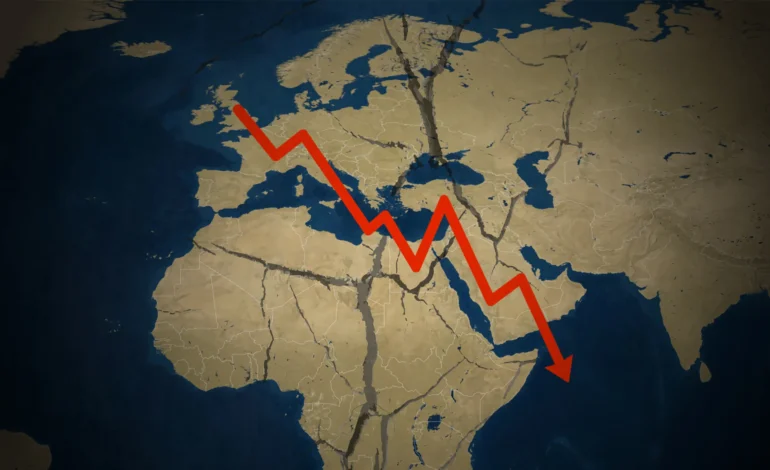
Resource competition is becoming one of the most significant forces reshaping international alliances. Nations are facing growing pressure to secure access to critical minerals, food supplies, energy sources and advanced manufacturing materials that support everything from electric vehicles to defence systems. As these resources become more central to economic growth and national security, countries are adjusting their diplomatic and strategic priorities. This shift is creating new partnerships while also deepening rivalries, changing the balance of power across regions.
Critical minerals spark new strategic calculations
Minerals such as lithium, cobalt, nickel and rare earth elements have become essential to modern technology, particularly in renewable energy and high performance electronics. Countries rich in these resources now find themselves at the centre of global attention. Governments and corporations are racing to secure long term supply agreements, invest in mines and build processing facilities. Nations without these materials are working to create diversified supply chains that reduce vulnerability. This competition is influencing foreign policy decisions, shaping trade routes and strengthening ties between resource rich states and technologically advanced economies.
Food security drives deeper cooperation
Food supply has emerged as another major factor shaping alliances. Climate change, geopolitical conflicts and disruptions in global shipping have made food security a pressing concern for many regions. Countries are forming agricultural partnerships that guarantee reliable access to wheat, rice, livestock and other essential goods. These agreements often extend beyond trade, involving research cooperation, technology transfers and investment in sustainable farming. In some cases, nations use food exports as a diplomatic tool to build influence or stabilise relationships. As populations grow and environmental pressures increase, food security will play an even larger role in international politics.
Energy transitions redefine old relationships
The global shift toward renewable energy is pushing countries to rethink long standing alliances built around oil and gas. While traditional energy exporters remain important, the rise of solar, wind, hydrogen and battery storage has expanded the field of strategic energy partners. Nations leading in clean energy technology are forging alliances with those seeking greener development pathways. At the same time, competition for access to renewable energy components is intensifying. This evolving landscape is redefining which countries hold influence in the future energy market and how governments plan their national energy strategies.
The strategic value of water and climate resilience
Beyond minerals, food and energy, water scarcity is becoming a significant geopolitical concern. Rivers that cross national borders, shrinking reservoirs and rising demand for fresh water increase the risk of tensions in regions already facing environmental stress. Countries are beginning to pursue diplomatic agreements focused on water management, climate adaptation and shared ecological protection. These partnerships aim to prevent conflict while supporting sustainable development. Water may become one of the most important strategic resources of the century, influencing alliances in ways similar to oil and minerals in earlier eras.
A world shaped by resource driven alliances
As resource rivalries intensify, the global landscape will continue to shift toward partnerships shaped by necessity rather than ideology. Nations will align with those who can support their supply needs and help secure their economic future. At the same time, competition for scarce materials may deepen divisions and create new areas of strategic tension. The future of international alliances will depend on how countries manage these pressures, build cooperative frameworks and balance national goals with global stability. Resource security is no longer a background issue but a defining force in geopolitics.